In a world constantly buzzing with distractions, the quest for peace and focus has led many to the embrace of specialized audio technology. Noise cancelling headphones, once a niche luxury, have become a staple for anyone seeking an immersive audio experience or a moment of tranquility amidst chaos. But how do these advanced devices truly stack up against their conventional counterparts? Understanding the fundamental differences between noise cancelling headphones and regular headphones is key to making an informed choice that aligns with your lifestyle and listening preferences. This comprehensive guide will delve into the mechanisms, benefits, drawbacks, and practical considerations of both, helping you find your perfect sound sanctuary.
Types of Noise Cancelling Headphones
Noise cancelling headphones employ sophisticated techniques to hush the surrounding world, allowing you to immerse yourself fully in your audio. They primarily fall into two categories: Active Noise Cancelling (ANC) and Passive Noise Cancelling.
Active Noise Cancelling (ANC) Headphones
|
Our Picks for the Best Noise cancelling headphones in 2026
As an Amazon Associate I earn from qualifying purchases.
|
||
| Num | Product | Action |
|---|---|---|
| 1 | Soundcore by Anker Q20i Hybrid Active Noise Cancelling Headphones, Wireless Over-Ear Bluetooth, 40H Long ANC Playtime, Hi-Res Audio, Big Bass, Customize via an App, Transparency Mode (Black) |

|
| 2 | Bose QuietComfort Headphones - Wireless Bluetooth Headphones, Active Over Ear Noise Cancelling and Mic, USB-C Charging, Deep Bass, Up to 24 Hours of Playtime, Twilight Blue - Limited Edition Color |
|
| 3 | TAGRY Hybrid Active Noise Cancelling Headphones 100H Playtime Wireless Over Ear Bluetooth Headphone with Fast Charging Hi-Res Audio Comfort Earcups Headsets for Travel Home Office Phone PC Black |
|
| 4 | bmani Hybrid Active Noise Cancelling Headphones,120H Playtime Wireless Headphones Bluetooth 6.0 with Power Display, 6-Mic ENC Calls, 360° Spatial Audio Over Ear Headphones Headset for Travel Game |
|
| 5 | Bose QuietComfort Headphones - Wireless Bluetooth Headphones, Active Over Ear Noise Cancelling and Mic, USB-C Charging, Deep Bass, Up to 24 Hours of Playtime, Black |
|
| 6 | Apple AirPods 4 Wireless Earbuds, Bluetooth Headphones, with Active Noise Cancellation, Adaptive, Transparency Mode, Personalized Spatial Audio, USB-C Charging Case, Wireless Charging, H2 Chip |
|
| 7 | Hybrid Active Noise Cancelling Headphones 120H Playtime Wireless Headphones Bluetooth 6.0 Over Ear Headphones with 6 ENC HD Call Mic, Hi-Res 360° Spatial Audio ANC Headphone for Travel Workout Black |
|
| 8 | Apple AirPods Pro 3 Wireless Earbuds, Active Noise Cancellation, Live Translation, Heart Rate Sensing, Hearing Aid Feature, Bluetooth Headphones, Spatial Audio, High-Fidelity Sound, USB-C Charging |
|
| 9 | Sony WH-CH720N Noise Canceling Wireless Headphones Bluetooth Over The Ear Headset with Microphone and Alexa Built-in, Black New |
|
| 10 | Soundcore by Anker Q20i Hybrid Active Noise Cancelling Headphones, Wireless Over-Ear Bluetooth, 40H Long ANC Playtime, Hi-Res Audio, Big Bass, Customize via an App, Transparency Mode (White) |
|
Active Noise Cancelling (ANC) technology represents a marvel of modern acoustics. It works by actively counteracting external sound waves, creating a quiet listening environment. [image-1|anc-headphones-technology|Active Noise Cancelling headphones showing sound wave cancellation principle for enhanced focus|
A pair of sleek, over-ear Active Noise Cancelling headphones, with stylized sound waves entering the earcups and inverse sound waves being generated from within, visually demonstrating the phase cancellation principle. The background is a slightly blurred, bustling city street, highlighting the contrast between noise and quiet. Realistic, dynamic lighting, editorial style.]
How ANC Technology Works
The core principle behind ANC is phase cancellation. Tiny microphones built into the headphones detect ambient noise. The internal circuitry then generates a “anti-noise” sound wave that is precisely 180 degrees out of phase with the incoming unwanted noise. When these opposing sound waves meet, they effectively cancel each other out, reducing the overall noise level that reaches your ear. This process is particularly effective at diminishing consistent, low-frequency sounds like the hum of an airplane engine, the rumble of a train, or the drone of office air conditioning.
Pros and Cons of ANC Headphones
ANC headphones offer numerous advantages, including improved concentration, better audio clarity in noisy environments, and enhanced hearing protection by allowing you to listen at lower volumes. They can significantly reduce stress caused by constant noise exposure and even contribute to better sleep quality. However, there are considerations. ANC models are generally more expensive and rely on battery power, meaning the noise cancelling feature will cease to function when the battery dies, though many can still operate in passive mode. Some users might experience a slight “pressure” sensation in their ears, often described as a “head squeeze” or a “vacuum-like” feeling. Moreover, by significantly blocking ambient sounds, ANC can make you less aware of your surroundings, posing a safety risk in situations like crossing streets. While effective against steady low frequencies, ANC may struggle with sudden, high-frequency noises such as car horns or abrupt conversations.
Factors Affecting ANC Effectiveness
The effectiveness of ANC depends on several factors, including the quality of the microphones and processing algorithms, and how well the headphones fit. Higher-end models often feature adaptive ANC, which automatically adjusts the cancellation level based on your environment. While ANC typically reduces noise by 20-40dB, providing substantial relief, complete silence is rarely achievable. It works best when combined with passive noise cancellation elements, as the physical design of the headphone still plays a crucial role in blocking higher-frequency sounds.
Passive Noise Cancelling Headphones
Passive Noise Cancelling (PNC), often referred to as noise isolation, is a more fundamental approach to blocking unwanted sound. Unlike ANC, it doesn’t involve electronic circuitry or anti-noise waves.
Design and Acoustic Materials
PNC relies solely on the physical design and materials of the headphones to create a barrier between your ears and external noise. This typically involves features like thick, cushioned earcups that form a tight seal around your ears, or snugly fitting in-ear earbud tips that block the ear canal. Materials such as dense foam, silicone, and other sound-absorbing components are strategically used to physically impede sound waves from reaching your eardrums.
Pros and Cons of Passive Noise Cancelling
The main advantage of passive noise cancelling is its simplicity and reliability. It doesn’t require power, making it an energy-efficient choice and often more affordable than ANC alternatives. PNC is particularly effective at reducing mid-to-high frequency sounds, such as conversations, keyboard clicks, or general background chatter. With no electronic processing, some audiophiles argue that passive isolation offers a purer sound quality. The drawbacks include its limited effectiveness against low-frequency, droning noises, which ANC handles better. Depending on the design, some PNC headphones can feel bulky or exert pressure for a tight seal, potentially leading to discomfort during extended use.
Comparison with ANC Effectiveness
While PNC creates a consistent physical barrier, its ability to attenuate noise is generally less comprehensive than ANC, especially for low-frequency sounds. For instance, in-ear earbuds with a good seal can block mid-to-high frequencies by about 15dB to 30dB. ANC, however, can reduce overall ambient noise by an average of 30dB, with low-frequency noise reduction potentially reaching as much as 60dB in ideal conditions. The optimal noise reduction often comes from a combination of both active and passive methods.
Benefits of Noise Cancelling Headphones
Noise cancelling headphones offer a transformative listening experience, providing significant advantages beyond mere audio playback.
Improved Concentration
In today’s fast-paced, often noisy world, maintaining focus can be a significant challenge. Noise cancelling headphones are powerful tools for creating a personal oasis of calm.
Reduced Distractions in Various Environments
Whether you are working in a bustling open-plan office, studying in a busy library, commuting on a noisy train, or simply trying to relax in a crowded café, noise cancelling headphones effectively minimize ambient distractions. By muting the chatter of colleagues, the rumble of traffic, or the clatter of everyday life, they create a serene environment conducive to deep work and concentration.
Enhanced Productivity and Learning
By isolating you from disruptive sounds, these headphones enable you to dive deeper into tasks, increasing your efficiency and productivity. For students, they can transform a noisy dorm room into a quiet study space, while remote workers can turn any location into a focused workspace. This ability to “get in the zone” without external interference is invaluable for complex problem-solving, creative tasks, and uninterrupted learning.
Hearing Protection
Noise-induced hearing loss is a growing concern, often stemming from prolonged exposure to loud environments or listening to audio at unsafe volumes to overcome background noise. Noise cancelling headphones offer a crucial line of defense.
Lower Listening Volumes
A primary benefit of noise cancelling technology is its ability to reduce background noise, eliminating the need to crank up your audio. This allows you to enjoy music, podcasts, or audiobooks at significantly lower and safer volumes, thereby reducing the strain on your ears and minimizing the risk of hearing damage over time.
Mitigation of Environmental Noise
In environments with persistent loud noises, such as construction sites (though dedicated hearing protection is recommended here), concerts, or even just busy public transport, noise cancelling headphones can reduce your overall exposure to harmful decibel levels. While not a substitute for OSHA-compliant hearing protection devices (which come with a Noise Reduction Rating or NRR), they play a vital role in everyday hearing preservation.
Elevated Entertainment Experience
Beyond productivity and protection, noise cancelling headphones elevate your entertainment.
Clearer and More Immersive Audio
By removing the veil of external noise, noise cancelling headphones allow the subtle nuances of your audio to shine through. Music sounds clearer, dialogue in podcasts and audiobooks becomes more distinct, and the overall listening experience is more vibrant and immersive. This clarity ensures you catch every beat, every word, and every detail as intended.
Ideal for Travel and Commuting
For frequent travelers, noise cancelling headphones are indispensable. They transform noisy airplane cabins or crowded subway cars into personal concert halls or quiet retreats, making long journeys more enjoyable and less fatiguing. This enhanced experience is not just about blocking noise, but about creating a personal, high-fidelity sound bubble wherever you go.
“Noise cancelling headphones aren’t just about silence; they’re about giving your ears the clarity and protection they deserve, letting you truly connect with your audio.”
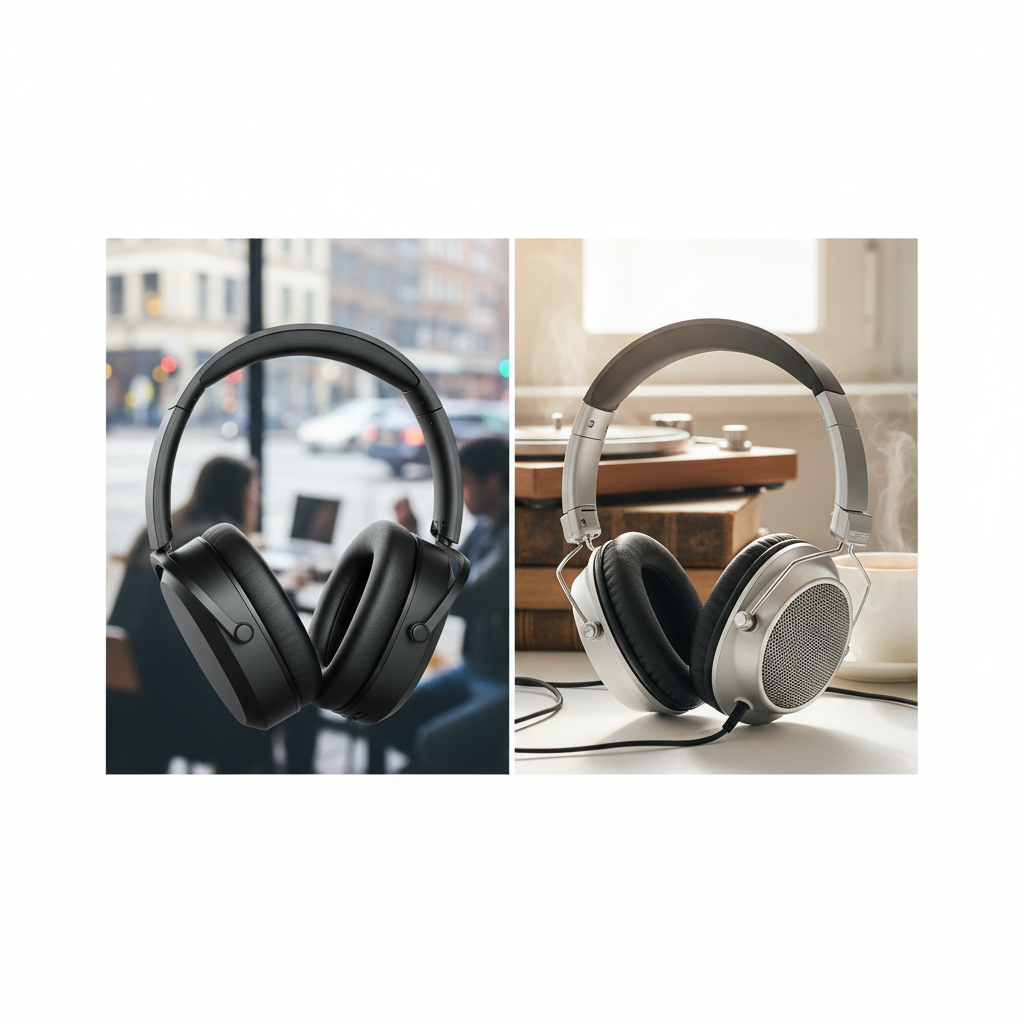
Noise Cancelling Headphones vs. Regular Headphones: A Detailed Comparison
The fundamental distinction between noise cancelling and regular headphones lies in their approach to ambient sound. While regular headphones passively block some noise through their design, noise cancelling headphones actively work to eliminate it.
| Feature | Noise Cancelling Headphones | Regular Headphones |
|---|---|---|
| Noise Reduction | Active (ANC): Electronically cancel low-frequency sounds; Passive (PNC): Physically block mid-to-high frequency sounds. | Passive Only: Rely on physical design (earcups, ear tips) to block some sound. Less effective overall. |
| Sound Quality | Clearer in noisy environments due to reduced background interference; ANC can sometimes introduce a subtle “hiss” or slight sound alteration in some models. | Quality depends solely on drivers and build; easily affected by external noise, requiring higher volumes for clarity. |
| Comfort | Often larger, over-ear designs with ample padding for long wear; some users may experience “pressure” from ANC. | Varies widely by design (in-ear, on-ear, over-ear); generally lighter, but comfort can vary significantly. |
| Battery Life | ANC models require batteries; typically 20-60 hours with ANC on; shorter battery life if ANC is always active. | No battery required for noise reduction; wireless models have batteries for Bluetooth (15-40 hours common). |
| Price | Generally more expensive due to advanced technology and components. | Typically more affordable, especially wired models. |
| Awareness of Surroundings | Reduced awareness with ANC on; many offer “Transparency Mode” to hear environment when needed. | Full awareness of surroundings; no special features to enhance or block ambient sound. |
| Ideal Use Case | Travel, noisy offices, studying, deep concentration, reducing stress, protecting hearing in loud environments. | Casual listening, quiet environments, home use, budget-conscious users, situations requiring environmental awareness. |
Guide to Choosing Noise Cancelling Headphones (Buying Guide)
Selecting the ideal pair of noise cancelling headphones requires careful consideration of your specific needs, preferences, and budget.
Determine Your Usage Needs
Your primary use case should dictate your choice.
Main Purpose and Environment
Are you primarily looking for headphones for daily commuting, frequent air travel, focused work in a busy office, or simply quiet relaxation at home? The type of environment and the dominant noise frequencies you encounter will influence whether ANC, PNC, or a hybrid approach is best. For constant low-frequency noise (like engines), ANC is superior. For higher-frequency chatter, a good passive seal can be very effective.
Types of Noise to Cancel
Identify the specific types of noise you wish to mitigate. ANC excels at steady, low-frequency sounds, while passive isolation performs better against sudden or higher-pitched noises. Some premium ANC headphones are now improving at handling mid-range frequencies, including speech.
Key Factors to Consider
Several critical aspects contribute to the overall performance and satisfaction with noise cancelling headphones.
Noise Cancelling Technology (ANC vs. Passive)
As discussed, decide whether active, passive, or a combination of both is suitable. Many high-end headphones incorporate both for comprehensive noise reduction. Evaluate the quality of the ANC, as not all implementations are equal; some are more effective and less prone to the “pressure” sensation than others.
Sound Quality
While noise cancellation is the primary draw, audio fidelity remains crucial. Look for a balanced sound profile with clear highs, rich mids, and deep, controlled bass. Read reviews focusing on sound quality, especially with ANC enabled, as some ANC systems can subtly alter the audio.
Comfort and Fit
For extended listening sessions, comfort is paramount. Over-ear headphones often provide superior comfort with plush earcups and adjustable headbands. Consider the weight and clamping force. For earbuds, ensure a secure and comfortable fit with various ear tip sizes to achieve effective passive isolation. Trying them on before purchasing is highly recommended.
Battery Life
Since ANC requires power, battery life is a significant factor, especially for travelers or long workdays. Look for models offering at least 20-30 hours of battery life with ANC enabled. Many come with quick-charge features for convenience. Wireless regular headphones also have batteries, but typically last longer if no ANC is present.
Additional Features
Modern noise cancelling headphones often come with smart features that enhance usability:
- Transparency Mode (or Ambient Sound Mode): Allows you to hear your surroundings without removing your headphones, essential for safety or engaging in conversations.
- Touch Controls: Intuitive controls for playback, volume, and ANC modes.
- Multipoint Pairing: Connect to two devices simultaneously, seamlessly switching between them (e.g., laptop and phone).
- Built-in Microphones: Crucial for clear calls and virtual meetings.
Budget Considerations
Noise cancelling headphones are available across a wide price spectrum.
Entry-Level (Under $100): Often feature basic ANC or rely heavily on passive isolation. Good for light noise reduction but may compromise on sound quality or comfort.
Mid-Range ($100-$300): Offers a good balance of effective ANC, decent sound quality, and improved comfort. Many popular models fall into this category.
Premium ($300+): Top-tier ANC performance, exceptional sound quality, luxurious materials, advanced features, and superior comfort. These often represent the best in class.
Top Picks by Price Segment
While prices fluctuate, here are general recommendations for popular models:
| Brand | Model | Noise Cancelling Technology | Battery Life (ANC on) | Price Tier (Approx.) | Key Highlights |
|---|---|---|---|---|---|
| Sony | WH-1000XM5 | Industry-leading Adaptive ANC | 30 hours | Premium | Excellent all-around ANC, balanced sound, comfortable design, clear calls. |
| Bose | QuietComfort Ultra | Premium ANC, Immersive Audio | 24 hours | Premium | Exceptional comfort, immersive audio mode, great for travel. |
| Apple | AirPods Max | Excellent ANC | 20 hours | Premium | Seamless iOS integration, Spatial Audio, premium build. |
| Sennheiser | Momentum 4 Wireless | Improved ANC | 60 hours | Premium | Class-leading battery life, audiophile-grade sound. |
| JBL | Tour One M3 | Strong ANC | 50 hours | Mid-Range | Competitive ANC, long battery, good sound for the price. |
Using and Maintaining Noise Cancelling Headphones
Proper usage and regular maintenance are crucial for maximizing the lifespan and performance of your noise cancelling headphones. [image-2|headphone-cleaning-care|Person cleaning noise cancelling headphones with soft cloth for longevity|
A person gently wiping the earcups of a sleek, black over-ear noise cancelling headphone with a soft, microfiber cloth. The headphones are placed on a clean surface, with a cleaning spray bottle and cotton swabs in the background. Close-up shot, bright, clean lighting, realistic style.]
Proper Usage
Adjust Volume Appropriately
Always aim to listen at the lowest comfortable volume. The beauty of noise cancelling is that it reduces the need to increase volume to drown out external sounds, thereby protecting your hearing. A good rule of thumb is to listen at 60% of the maximum volume for no more than 60 minutes at a time.
Optimal ANC Feature Use
Use the ANC feature judiciously. While it’s excellent for noisy environments, you may not need it in quieter settings, which can save battery life. Utilize transparency or ambient sound modes when you need to be aware of your surroundings for safety or social interaction.
Regular Cleaning
Frequent cleaning prevents the buildup of sweat, oils, earwax, and dirt, which can affect sound quality, comfort, and hygiene.
Proper Care and Storage
Avoid Physical Impact
Treat your headphones gently. Avoid dropping them or subjecting them to strong impacts, which can damage internal components, including the delicate ANC microphones.
Store in Protective Case
When not in use, always store your headphones in their designated protective case. This guards them against dust, scratches, and accidental damage. For wireless models, ensure they are adequately charged before storage, especially if you plan to use them infrequently.
Protection from Elements
Keep your headphones away from water, extreme temperatures (hot or cold), and high humidity. Moisture can damage electronics, and extreme temperatures can degrade battery performance and material integrity. If they get wet, dry them thoroughly before storing.
Cleaning Routine:
- Earcups/Ear Tips: For over-ear headphones, gently wipe the earcups with a soft, damp cloth (mild soap and water solution, thoroughly wrung out). For earbuds, remove ear tips and wash them in warm, soapy water, rinse, and dry completely before reattaching.
- Headband/Outer Casing: Wipe the headband and outer plastic surfaces with a lightly damp cloth or an alcohol wipe to remove dirt and disinfect.
- Grime in Crevices: Use a soft-bristled brush or cotton swabs to carefully clean hard-to-reach spots, ensuring not to push debris further into openings.
- Drying: Always allow all components to air dry completely before reassembling or storing.
Conclusion
The choice between noise cancelling headphones and regular headphones hinges on your individual needs and the environments you navigate daily. While regular headphones offer a straightforward audio experience, noise cancelling headphones provide a sophisticated solution for those seeking tranquility, enhanced focus, improved hearing protection, and an elevated entertainment experience in a noisy world. Understanding the nuances of active and passive noise cancellation, coupled with practical considerations like comfort, battery life, and budget, empowers you to select the perfect audio companion. By investing in the right pair and maintaining them diligently, you can unlock a world of pristine sound and peaceful listening.
What environment do you find yourself in most often, and how might the power of noise cancellation transform your daily auditory experience?
Frequently Asked Questions
Are noise cancelling headphones worth it for everyday use?
Yes, noise cancelling headphones can be highly beneficial for everyday use, especially if you regularly encounter noisy environments like commutes, open-plan offices, or bustling public spaces. They can significantly improve concentration, reduce stress, and allow for a more enjoyable listening experience at safer volumes.
Can noise cancelling headphones completely block out all sound?
No, noise cancelling headphones cannot completely block out all sound. They are most effective at reducing consistent, low-frequency noises (like engine hums). While they significantly diminish external sounds, some higher-frequency, sudden, or irregular noises may still be audible, though greatly attenuated.
Is there any harm in wearing noise cancelling headphones all day?
While generally safe, prolonged use of noise cancelling headphones may cause a “pressure” sensation for some users. It’s also important to be mindful of your surroundings, as high levels of noise cancellation can reduce situational awareness. Taking breaks and using transparency mode when needed are recommended.
Do noise cancelling headphones work without music playing?
Yes, active noise cancelling headphones can work to reduce ambient noise even without music playing. Many people use them simply to create a quiet environment for concentration or relaxation. However, you might still hear a faint “hiss” in some models when no audio is playing.
What is the difference between active and passive noise cancelling?
Active Noise Cancelling (ANC) uses electronic circuitry and microphones to generate “anti-noise” waves that cancel out external sounds, particularly low frequencies. Passive Noise Cancelling (PNC) relies on physical design and materials (like earcups and ear tips) to create a barrier that blocks sound waves, being more effective against mid-to-high frequencies.
How do regular headphones compare in sound quality?
Regular headphones’ sound quality varies greatly depending on their build and drivers. High-end regular headphones can offer excellent audio fidelity. However, in noisy environments, their sound quality can be easily compromised by external sounds, forcing users to increase the volume, potentially to unsafe levels, to hear clearly.
Do wired headphones have noise cancelling?
Yes, some wired headphones incorporate active noise cancelling technology, requiring a battery for the ANC feature to function. However, many wired headphones are “regular” headphones, relying only on passive noise isolation from their physical design to block sound.