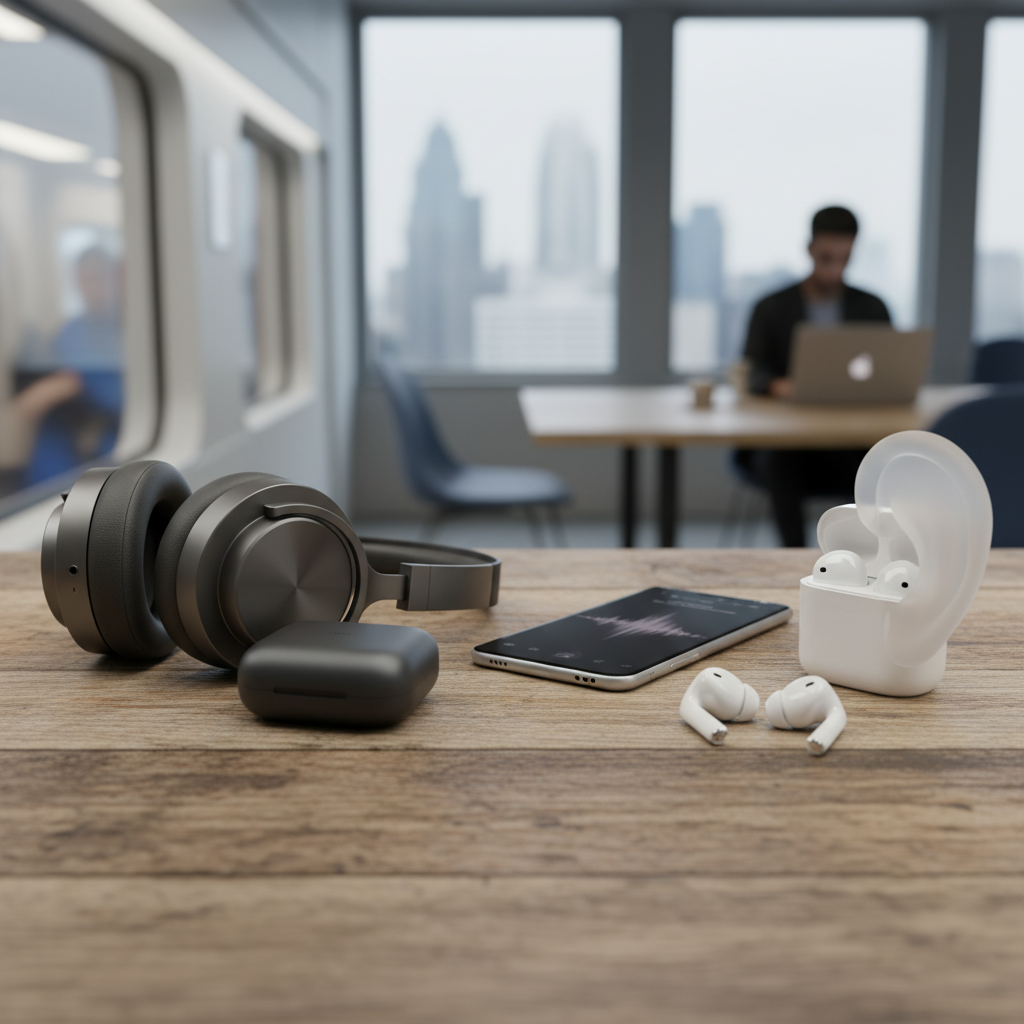
In our increasingly noisy world, finding moments of peace and focused listening has become a luxury. This is where noise cancelling technology steps in, transforming chaotic environments into personal sanctuaries. From bustling commutes to open-plan offices, noise cancelling headphones and wireless earbuds offer a gateway to undisturbed audio. But with both options boasting advanced active noise cancellation (ANC), choosing between the two can be a perplexing decision for even the most seasoned audio enthusiast. This comprehensive guide will explore the nuances of each, helping you navigate their unique strengths, weigh the trade-offs, and ultimately select the device that best aligns with your lifestyle and listening priorities.
Understanding Noise Cancelling Technology
Noise cancellation is an ingenious technology designed to reduce unwanted ambient sounds, allowing you to immerse yourself fully in your audio or enjoy a moment of quiet. This process primarily relies on two methods: Active Noise Cancellation (ANC) and Passive Noise Cancellation.
Active Noise Cancelling (ANC)
|
Our Picks for the Best Noise cancelling headphones in 2026
As an Amazon Associate I earn from qualifying purchases.
|
||
| Num | Product | Action |
|---|---|---|
| 1 | Apple AirPods 4 Wireless Earbuds, Bluetooth Headphones, with Active Noise Cancellation, Adaptive, Transparency Mode, Personalized Spatial Audio, USB-C Charging Case, Wireless Charging, H2 Chip |

|
| 2 | TAGRY Hybrid Active Noise Cancelling Headphones 100H Playtime Wireless Over Ear Bluetooth Headphone with Fast Charging Hi-Res Audio Comfort Earcups Headsets for Travel Home Office Phone PC Black |
|
| 3 | bmani Hybrid Active Noise Cancelling Headphones,120H Playtime Wireless Headphones Bluetooth 6.0 with Power Display, 6-Mic ENC Calls, 360° Spatial Audio Over Ear Headphones Headset for Travel Game |
|
| 4 | Soundcore by Anker Q20i Hybrid Active Noise Cancelling Headphones, Wireless Over-Ear Bluetooth, 40H Long ANC Playtime, Hi-Res Audio, Big Bass, Customize via an App, Transparency Mode (Black) |
|
| 5 | Bose QuietComfort Headphones - Wireless Bluetooth Headphones, Active Over Ear Noise Cancelling and Mic, USB-C Charging, Deep Bass, Up to 24 Hours of Playtime, Twilight Blue - Limited Edition Color |
|
| 6 | Bose QuietComfort Headphones - Wireless Bluetooth Headphones, Active Over Ear Noise Cancelling and Mic, USB-C Charging, Deep Bass, Up to 24 Hours of Playtime, Black |
|
| 7 | Soundcore by Anker Q20i Hybrid Active Noise Cancelling Headphones, Wireless Over-Ear Bluetooth, 40H Long ANC Playtime, Hi-Res Audio, Big Bass, Customize via an App, Transparency Mode (White) |
|
| 8 | Apple AirPods Pro 3 Wireless Earbuds, Active Noise Cancellation, Live Translation, Heart Rate Sensing, Hearing Aid Feature, Bluetooth Headphones, Spatial Audio, High-Fidelity Sound, USB-C Charging |
|
| 9 | Hybrid Active Noise Cancelling Headphones 120H Playtime Wireless Headphones Bluetooth 6.0 Over Ear Headphones with 6 ENC HD Call Mic, Hi-Res 360° Spatial Audio ANC Headphone for Travel Workout Black |
|
| 10 | Sony WH-CH720N Noise Canceling Wireless Headphones Bluetooth Over The Ear Headset with Microphone and Alexa Built-in, Black New |
|
Active Noise Cancellation is the more advanced form of noise reduction. It utilizes built-in microphones to detect external low-frequency sounds, such as the hum of an airplane engine, traffic rumble, or air conditioning units. The device then generates an “anti-noise” sound wave that is precisely out of phase with the incoming noise, effectively canceling it out before it reaches your ears. This sophisticated technology is particularly effective at diminishing constant, low-frequency background noise, creating a noticeably quieter listening environment.
The effectiveness of ANC is influenced by several factors, including the number and placement of microphones, the processing power of the chip, and the overall design of the device. Higher-end models often integrate multiple microphones and advanced algorithms for superior noise suppression across a broader frequency range. However, ANC is less effective against sudden, sharp noises like voices or barking dogs, as these sounds are harder to predict and cancel in real-time.
Passive Noise Cancelling
Passive Noise Cancellation, also known as noise isolation, relies on the physical design and materials of the headphones or earbuds to block sound. This is achieved by creating a physical barrier that prevents external sound waves from entering the ear. Over-ear headphones achieve this through their large, cushioned earcups that completely enclose the ear, forming a seal against outside noise. Similarly, in-ear earbuds use silicone or foam tips that fit snugly into the ear canal, physically sealing it off.
The effectiveness of passive noise cancellation depends heavily on the fit and seal. A good seal can block a significant amount of high-frequency noise, complementing the ANC technology which targets lower frequencies. While not as high-tech as ANC, passive isolation is crucial for overall noise reduction and can make a noticeable difference in blocking out higher-pitched sounds that ANC struggles with.
Benefits of Noise Cancelling Audio Devices
Beyond simply quieting your surroundings, noise cancelling headphones and earbuds offer a multitude of benefits that enhance daily life, from improving focus to protecting your hearing.
Enhanced Concentration
In today’s distracting world, maintaining focus can be a challenge. Noise cancelling headphones are invaluable tools for creating a personal zone of quiet, whether you’re working in a bustling office, studying in a coffee shop, or commuting on public transport. By reducing ambient distractions, these devices help improve concentration, boost productivity, and allow for deeper engagement with tasks or learning materials. They are particularly beneficial for remote workers seeking to minimize household noises.
Hearing Protection
Prolonged exposure to loud environments can lead to hearing damage over time. Noise cancelling technology allows you to listen to audio at lower volumes while still enjoying clarity, as you’re not competing with external noise. This reduces the need to crank up the volume, thereby protecting your hearing from potential harm. Furthermore, by mitigating constant noise, they can also help reduce stress and fatigue often associated with noisy surroundings.
Superior Entertainment Experience
Imagine enjoying your favorite music, podcast, or audiobook without the intrusion of background chatter or engine hum. Noise cancelling devices elevate your entertainment experience by providing a cleaner, more immersive soundstage. With external distractions minimized, the subtle details in your audio become more apparent, offering a richer and more engaging listening session, especially valuable during travel or in noisy public spaces.
Noise Cancelling Headphones vs. Wireless Earbuds: A Detailed Comparison
Deciding between noise cancelling headphones and wireless earbuds often comes down to a careful consideration of various factors, each offering distinct advantages.
Noise Cancellation Performance
Generally, noise cancelling headphones offer superior and more complete noise cancellation, particularly in over-ear designs. Their larger earcups provide better passive isolation and house more sophisticated ANC systems with multiple microphones and powerful processors. This allows them to effectively cancel a wider range of frequencies, especially low and mid-range constant noises like those from aircraft engines or trains. While earbuds have made significant strides, their smaller size can limit the overall effectiveness of ANC compared to their larger counterparts. However, premium earbuds still provide impressive noise reduction for daily use and specific environments.
Sound Quality
Headphones typically excel in sound quality due to their larger drivers, which can produce a more dynamic range, deeper bass, and clearer, more detailed audio. This makes them a favorite among audiophiles and music professionals seeking an immersive listening experience. Wireless earbuds, despite their small stature, have vastly improved, with high-end models offering excellent sound quality with balanced tones. Yet, they may struggle to replicate the same depth and breadth of sound as premium over-ear headphones.
Comfort and Fit
For headphones, especially over-ear models, comfort for prolonged wear is a key advantage. They distribute weight over the head and feature plush, padded earcups that envelop the ears, reducing pressure and fatigue. This makes them ideal for long listening sessions, such as extended flights or workdays. Earbuds, on the other hand, are lightweight and discreet, making them perfect for active users or those who prefer a less noticeable device. However, their in-ear design can cause discomfort or ear fatigue for some users during long periods, and finding the perfect tip size for a secure and comfortable fit is crucial.
Portability and Lifestyle
Wireless earbuds are the undisputed champions of portability. Their compact size allows them to fit easily into a pocket or a small bag, making them ideal for commuting, working out, or quick trips. They are also less conspicuous in public. Noise cancelling headphones, while offering superior performance, are bulkier and require more space in a bag. They are better suited for stationary use, long-haul travel, or environments where signaling “do not disturb” is an advantage.
Battery Life
Headphones generally boast significantly longer battery life. Many premium ANC headphones can offer 30 to 40 hours of continuous playback with ANC activated. Wireless earbuds typically provide 5 to 8 hours per charge, though their accompanying charging cases extend the total listening time to around 20-30 hours, requiring regular recharging of the case itself. For truly extended, uninterrupted listening, headphones usually hold the advantage.
Here’s a quick comparison table:
| Feature | Noise Cancelling Headphones | Wireless Earbuds |
|---|---|---|
| Noise Cancellation | Generally superior (especially over-ear) | Excellent for their size, but often less potent than headphones |
| Sound Quality | Often richer, more dynamic, deeper bass | Impressive, but can be less expansive than headphones |
| Comfort for Long Wear | Generally more comfortable | Can cause ear fatigue for some; fit is crucial |
| Portability | Bulkier, require more bag space | Highly portable, discreet, pocketable |
| Battery Life | Significantly longer (30-40+ hours) | Shorter (5-8 hours per charge, 20-30+ with case) |
| Ideal Use Cases | Long flights, noisy offices, focused listening | Commuting, exercise, quick trips, active lifestyle |
Top Picks by Category
When seeking the best noise cancelling audio experience, several models consistently stand out across both form factors.
Premium Noise Cancelling Headphones
- Sony WH-1000XM5: Renowned for industry-leading ANC and exceptional sound quality, offering up to 30 hours of battery life with ANC.
- Bose QuietComfort Ultra Headphones: Praised for incredibly comfortable fit and powerful noise cancellation, often regarded as a benchmark for ANC.
- Apple AirPods Max: Offers deep integration with Apple’s ecosystem, impressive spatial audio, and robust ANC, though with a higher price point.
- Sennheiser Momentum 4 Wireless: Boasts an outstanding 60-hour battery life and excellent sound, making it a marathon runner’s dream.
Premium Wireless Earbuds
- Sony WF-1000XM5: Features advanced ANC and high-resolution audio support in a compact design, often considered among the best all-around earbuds.
- Bose QuietComfort Ultra Earbuds: Delivers formidable noise cancellation and a comfortable fit, ideal for those prioritizing quiet in a tiny package.
- Apple AirPods Pro (2nd Generation): Offers seamless Apple integration, adaptive transparency, and highly effective ANC for iPhone users.
- Sennheiser Momentum True Wireless 3: Provides robust sound quality and adaptive ANC with a sleek design.
How to Choose the Right Noise Cancelling Device for You (Buying Guide)
Selecting between noise cancelling headphones and wireless earbuds involves a thoughtful assessment of your personal needs, usage patterns, and budget.
Define Your Primary Usage Needs
Start by clarifying your main purpose. Are you looking to eliminate the roar of an airplane engine during long-haul flights, block out office chatter for focused work, or simply enjoy music undisturbed during your daily commute or gym sessions? If maximum noise isolation and immersive sound for extended periods are your priorities, over-ear noise cancelling headphones are likely the better choice. If portability, discretion, and versatility for an active lifestyle are paramount, high-quality noise cancelling earbuds will serve you well.
Key Factors to Consider
- Noise Cancellation Technology: Evaluate the effectiveness of ANC. Headphones generally offer superior noise reduction across a broader frequency range, including mid and high frequencies. Earbuds excel at low-frequency rumble if they have a good in-ear seal.
- Sound Quality: Audiophiles may gravitate towards headphones for their larger drivers and richer audio experience. For casual listening or calls, premium earbuds can offer excellent sound.
- Comfort and Fit: This is highly subjective. Try on different models if possible. Headphones are generally more comfortable for long sessions, while earbuds are lighter but depend heavily on finding the right ear tip size to prevent discomfort or slippage.
- Battery Life: For long trips or extended work sessions, headphones with 30+ hours of battery are advantageous. Earbuds, while offering less single-charge time, benefit from charging cases that provide multiple recharges.
- Additional Features: Consider features like transparency mode (allowing ambient sound in), touch controls, voice assistant integration, spatial audio, and app customization.
Budget Considerations
Both headphones and earbuds span a wide price range. Entry-level models offer basic noise cancellation, while premium options provide advanced ANC, superior sound, and high-quality materials.
- Entry-level (Under $100): You can find decent passive noise isolation and some basic ANC in this range, typically in wired headphones or less feature-rich earbuds.
- Mid-range ($100-$300): This segment offers a good balance of performance, features, and comfort. You’ll find solid ANC in both headphones and earbuds from reputable brands.
- High-end ($300+): This is where you’ll find the best-in-class ANC, premium sound quality, advanced features, and luxurious build materials from top manufacturers.
Top Picks by Price Segment
- Best Budget Option: Look for reputable brands offering mid-range ANC earbuds like Soundcore Liberty 4 NC or over-ear headphones like Anker Soundcore Life Q30 for solid performance without breaking the bank.
- Best Mid-Range Value: Models like the Bose QuietComfort 45 (headphones) or Jabra Elite 7 Pro (earbuds) strike an excellent balance between cost and premium features.
- Best Premium Choice: For uncompromised performance, consider the Sony WH-1000XM5 or Bose QuietComfort Ultra Headphones, and for earbuds, the Sony WF-1000XM5 or Apple AirPods Pro.
“The true measure of a noise cancelling device isn’t just how much noise it blocks, but how effectively it enhances your personal audio space, allowing you to truly connect with your content or your thoughts.” – Dr. Anya Sharma, Audio Acoustics Specialist
Tips for Using and Maintaining Your Noise Cancelling Devices
Proper usage and maintenance are key to maximizing the lifespan and performance of your noise cancelling headphones or earbuds.
Proper Usage Techniques
Always ensure a snug and comfortable fit. For earbuds, experiment with different ear tip sizes to achieve the best seal, which is critical for both passive noise isolation and sound quality. For headphones, adjust the headband so the earcups fully enclose your ears without excessive pressure. Use ANC judiciously; while effective, continuous use can sometimes contribute to a feeling of pressure or ‘cabin effect’ for some individuals. Remember to keep the volume at a safe level to protect your hearing.
Care and Storage
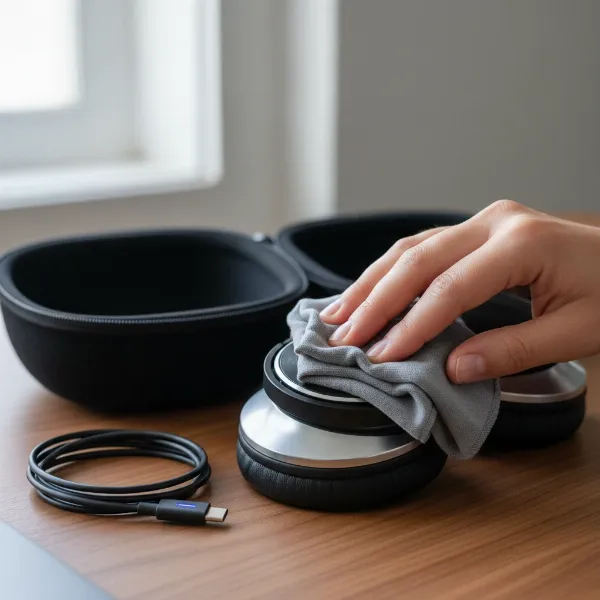
When not in use, store your devices in their designated case. This protects them from dust, dirt, and physical damage. For earbuds, the charging case also ensures they remain powered up. Avoid exposing your headphones or earbuds to extreme temperatures, direct sunlight, or moisture, as these can degrade internal components and battery life.
Cleaning and Hygiene
Regularly clean your devices. For headphones, gently wipe the earcups and headband with a soft, damp cloth. For earbuds, carefully clean the ear tips and speaker grilles to prevent wax buildup, which can affect sound quality and fit. Use a dry cotton swab for crevices. Ensure all components are dry before storing or recharging.
Conclusion
The choice between noise cancelling headphones and wireless earbuds is a personal journey, deeply intertwined with your daily habits and audio preferences. While noise cancelling headphones generally offer a superior noise-cancelling performance, richer sound, and greater comfort for prolonged use, wireless earbuds champion portability, discretion, and convenience for active lifestyles. Both categories have seen remarkable advancements, providing sophisticated Active Noise Cancellation that transforms any environment into a private listening haven. By carefully considering your primary needs—be it absolute quiet for focused work, immersive audio for travel, or discreet companionship for your active pursuits—you can confidently select the perfect device. Which factors resonate most with your unique audio journey?
Frequently Asked Questions
Are noise cancelling headphones better than earbuds for airplane travel?
For long-haul airplane travel, noise cancelling headphones are generally superior due to their larger design which provides better passive isolation and more powerful ANC. They are highly effective at blocking the consistent low-frequency engine hum, and typically offer longer battery life and better comfort for extended periods.
Can noise cancelling devices completely block out all sound?
No, neither noise cancelling headphones nor earbuds can completely block out all sound. Active Noise Cancellation (ANC) is most effective against constant, low-frequency noises. Higher-frequency sounds, sudden noises, and voices are more challenging for ANC to eliminate entirely, though passive isolation helps reduce them.
Is ANC bad for your ears or hearing?
ANC technology itself is not inherently bad for your ears. In fact, by reducing ambient noise, it allows you to listen to audio at lower volumes, potentially protecting your hearing from damage caused by loud listening. Some users may experience a mild “pressure” sensation, but this is usually harmless.
How important is the fit for noise cancelling earbuds?
The fit is critically important for noise cancelling earbuds. A snug and secure fit ensures effective passive noise isolation by sealing the ear canal, which is the first line of defense against external sound. A poor fit can significantly diminish both the noise cancellation performance and sound quality of the earbuds.
Do wireless earbuds offer the same sound quality as over-ear headphones?
While premium wireless earbuds have made significant advancements in sound quality, they generally do not match the depth, dynamic range, and expansive soundstage typically offered by high-quality over-ear headphones. The larger drivers in headphones usually allow for a richer, more detailed audio experience.
What is Transparency Mode, and how does it work?
Transparency Mode (or Ambient Sound Mode) is a feature found in many noise cancelling headphones and earbuds that uses external microphones to pick up ambient sounds and play them back through your audio, allowing you to hear your surroundings without removing your device. This is useful for situational awareness, like hearing announcements or conversations.