In today’s hyper-connected world, finding a moment of peace can feel like a luxury. Whether you are navigating a bustling city commute, striving for focus in a busy office, or simply seeking an immersive audio experience, external noise is a constant companion. Noise cancelling headphones have emerged as a powerful solution, transforming chaotic environments into personal sanctuaries of sound. This comprehensive guide will delve into the technology, benefits, and top models of noise cancelling headphones, helping you make an informed choice to reclaim your audio landscape.
Types of Noise Cancelling Headphones
Understanding the two primary methods headphones use to combat external sound is crucial for selecting the right pair for your needs. Each approach offers distinct advantages in different noisy scenarios.
Active Noise Cancelling (ANC)
|
Our Picks for the Best Noise cancelling headphones in 2026
As an Amazon Associate I earn from qualifying purchases.
|
||
| Num | Product | Action |
|---|---|---|
| 1 | Soundcore by Anker Q20i Hybrid Active Noise Cancelling Headphones, Wireless Over-Ear Bluetooth, 40H Long ANC Playtime, Hi-Res Audio, Big Bass, Customize via an App, Transparency Mode (White) |

|
| 2 | Bose QuietComfort Headphones - Wireless Bluetooth Headphones, Active Over Ear Noise Cancelling and Mic, USB-C Charging, Deep Bass, Up to 24 Hours of Playtime, Twilight Blue - Limited Edition Color |
|
| 3 | TAGRY Hybrid Active Noise Cancelling Headphones 100H Playtime Wireless Over Ear Bluetooth Headphone with Fast Charging Hi-Res Audio Comfort Earcups Headsets for Travel Home Office Phone PC Black |
|
| 4 | Apple AirPods Pro 3 Wireless Earbuds, Active Noise Cancellation, Live Translation, Heart Rate Sensing, Hearing Aid Feature, Bluetooth Headphones, Spatial Audio, High-Fidelity Sound, USB-C Charging |
|
| 5 | Bose QuietComfort Headphones - Wireless Bluetooth Headphones, Active Over Ear Noise Cancelling and Mic, USB-C Charging, Deep Bass, Up to 24 Hours of Playtime, Black |
|
| 6 | Hybrid Active Noise Cancelling Headphones 120H Playtime Wireless Headphones Bluetooth 6.0 Over Ear Headphones with 6 ENC HD Call Mic, Hi-Res 360° Spatial Audio ANC Headphone for Travel Workout Black |
|
| 7 | Soundcore by Anker Q20i Hybrid Active Noise Cancelling Headphones, Wireless Over-Ear Bluetooth, 40H Long ANC Playtime, Hi-Res Audio, Big Bass, Customize via an App, Transparency Mode (Black) |
|
| 8 | Apple AirPods 4 Wireless Earbuds, Bluetooth Headphones, with Active Noise Cancellation, Adaptive, Transparency Mode, Personalized Spatial Audio, USB-C Charging Case, Wireless Charging, H2 Chip |
|
| 9 | Sony WH-CH720N Noise Canceling Wireless Headphones Bluetooth Over The Ear Headset with Microphone and Alexa Built-in, Black New |
|
| 10 | bmani Hybrid Active Noise Cancelling Headphones,120H Playtime Wireless Headphones Bluetooth 6.0 with Power Display, 6-Mic ENC Calls, 360° Spatial Audio Over Ear Headphones Headset for Travel Game |
|
Active Noise Cancelling (ANC) technology represents the pinnacle of modern audio engineering, designed to electronically neutralize ambient sound. These headphones employ tiny microphones to detect incoming low-frequency noise and then generate an “anti-noise” signal – an inverted sound wave – that effectively cancels out the unwanted sound before it reaches your ears.
The core principle behind ANC is destructive interference, where the original sound wave and the generated anti-noise wave combine to cancel each other out. This process requires internal circuitry and power, typically from a built-in battery. ANC is particularly effective against low-frequency, continuous sounds like the hum of an airplane engine, the rumble of a train, or the steady drone of air conditioning systems. Advanced “adaptive ANC” systems can even adjust in real-time to changes in your environment, optimizing noise reduction automatically. While highly effective, ANC can sometimes introduce a subtle “hiss” or slightly alter the audio playback, as it actively creates sound to achieve silence.
Passive Noise Cancelling
Passive Noise Cancelling, often referred to as Passive Noise Isolation (PNI), relies purely on the physical design and materials of the headphones to block external sound. Unlike ANC, it doesn’t use any electronic processing or power. This method creates a physical barrier between your ears and the outside world, effectively “muffling” noise.
The effectiveness of passive noise cancelling largely depends on the headphone’s construction, including the ear cup size, material density, and how well it seals around your ears. Over-ear headphones with thick, well-padded earcups are generally more adept at passive noise cancellation. This technology excels at reducing mid- to high-frequency noises, such as human speech, typing sounds, or the clatter of dishes in a coffee shop. Because it doesn’t involve active sound generation, passive noise cancellation provides a “purer” audio experience without potential electronic interference, and it is also effective without requiring battery power. Many high-end noise cancelling headphones integrate both active and passive elements to offer comprehensive noise reduction across a broader frequency range.
Benefits of Noise Cancelling Headphones
Beyond simply muting distractions, noise cancelling headphones offer a myriad of advantages that can significantly enhance daily life, from improving productivity to safeguarding your hearing.
Enhance Focus and Productivity
In an increasingly noisy world, maintaining concentration is a challenge. Noise cancelling headphones create a personal quiet zone, effectively blocking out common distractions in shared workspaces, bustling cafes, or public transport. By minimizing ambient sounds, they allow your brain to better focus on tasks, leading to improved concentration and ultimately, increased productivity for work, study, or any activity requiring deep engagement.
Protect Your Hearing
One of the most critical, yet often overlooked, benefits of noise cancelling headphones is hearing protection. In noisy environments, people often instinctively increase the volume of their audio to drown out background sounds. This habit can expose your ears to dangerously high decibel levels, leading to long-term hearing damage and conditions like tinnitus. By reducing external noise, noise cancelling headphones enable you to enjoy your audio at significantly lower, safer volumes, thus mitigating the risk of hearing loss.
Elevate Entertainment Experience
For audiophiles and casual listeners alike, noise cancelling headphones profoundly enhance the entertainment experience. By eliminating interference from the surrounding environment, they allow you to hear every nuance of your music, podcast, or audiobook with crystal clarity and immersive detail. The absence of distracting background noise creates a richer, more engaging soundstage, letting you fully appreciate the subtleties of your chosen audio without compromise, whether you are traveling or relaxing at home.
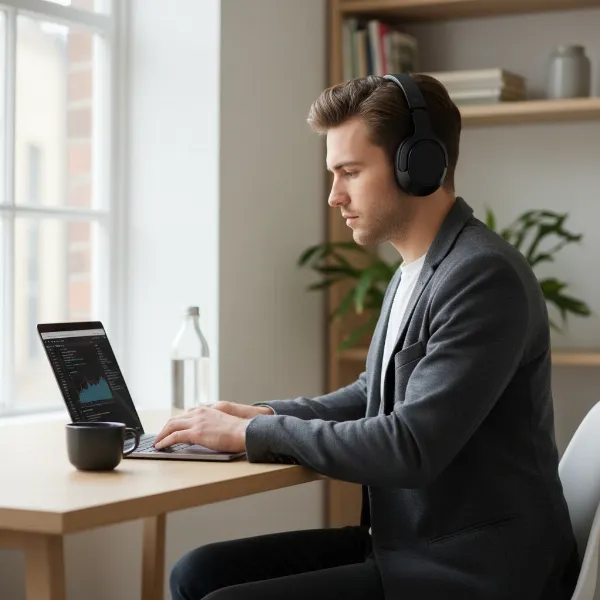 Person wearing noise-cancelling headphones in a quiet, focused setting with a laptop, showing productivity.
Comparison of Top Noise Cancelling Headphones (2024)
Choosing the best noise cancelling headphones can be challenging with so many excellent options available. Here’s a comparative look at some of the leading models in 2024, highlighting their key features and what makes them stand out.
| Brand | Model | Noise Cancelling Technology | Battery Life (ANC On) | Key Strengths | Price Range (USD) |
|---|---|---|---|---|---|
| Sony | WH-1000XM5 | Adaptive ANC | 30 hours | Industry-leading ANC, superb sound quality, excellent call clarity, comfortable for long wear. | $349 – $398 |
| Bose | QuietComfort Ultra | Premium ANC with Immersive Audio | 24 hours | Best-in-class comfort, exceptional ANC for travel, immersive audio mode. | $279 – $349 |
| Sennheiser | Momentum 4 Wireless | Adaptive ANC | 60 hours | Outstanding battery life, audiophile-grade sound, customizable EQ, versatile connectivity. | $299 – $349 |
| Apple | AirPods Max | Adaptive ANC | 20 hours | Seamless Apple ecosystem integration, spatial audio, premium build quality. | $450 – $549 |
| Shure | Aonic 50 Gen 2 | Powerful ANC | 45 hours | Robust ANC, excellent sound quality, durable build, long battery. | $350 |
“The rapid advancements in active noise cancelling technology mean consumers now have more sophisticated options than ever, offering not just quiet, but an entirely new dimension to personal audio.”
How to Choose Noise Cancelling Headphones (Buying Guide)
Selecting the perfect pair of noise cancelling headphones requires thoughtful consideration of your individual needs, preferences, and how you intend to use them.
Define Your Usage Needs
Begin by pinpointing your primary purpose. Are you frequently flying and need to block out engine hum? Do you work in a bustling open-plan office and require deep focus? Perhaps you simply want a peaceful retreat at home for listening to music. Different models excel in different scenarios; some are optimized for travel comfort, while others prioritize sound fidelity or call clarity for professional use. Identifying your main environment and the type of noise you encounter most often will significantly narrow down your choices.
Key Factors to Consider
Several critical factors contribute to the overall experience and performance of noise cancelling headphones:
- Noise Cancelling Technology: Decide between primarily ANC (for low, constant frequencies) or a strong passive seal (for higher, intermittent sounds), or a hybrid approach. Look for adaptive ANC for versatile performance.
- Sound Quality: Beyond noise cancellation, audio fidelity is paramount. Consider headphones known for balanced sound profiles, clear highs, rich mids, and deep bass, depending on your musical preferences.
- Comfort and Fit: Essential for extended listening sessions. Over-ear designs generally offer superior comfort and a better seal. Look for lightweight materials, soft ear cups, and an adjustable headband.
- Battery Life: Ranges significantly between models. If you travel frequently or use headphones all day, longer battery life (30+ hours) will be a major advantage.
- Additional Features: Evaluate features like transparency mode (to hear surroundings without removing headphones), touch controls, app customization (EQ settings), multipoint pairing (connecting to two devices simultaneously), spatial audio, and wired connectivity options.
Set Your Budget
Noise cancelling headphones are available across a wide price spectrum, from budget-friendly options to premium audiophile-grade devices.
- Budget-Friendly (Under $150): These often provide decent passive noise isolation with basic ANC, suitable for less demanding environments.
- Mid-Range ($150 – $300): This segment offers a strong balance of effective ANC, good sound quality, and comfortable designs, often featuring advanced functionalities.
- Premium ($300+): Top-tier models from leading brands, delivering industry-leading ANC, exceptional audio, superior comfort, and a full suite of smart features.
Top Picks by Price Segment
- Premium Choice: For uncompromising performance, the Sony WH-1000XM5 and Bose QuietComfort Ultra consistently stand out with their stellar ANC, sound, and comfort.
- Best Value: The Sennheiser Momentum 4 Wireless offers incredible battery life and high-quality sound at a competitive price, making it an excellent all-rounder.
Tips for Using and Maintaining Your Noise Cancelling Headphones
To maximize the lifespan and performance of your noise cancelling headphones, proper usage and maintenance are key.
Optimal Usage
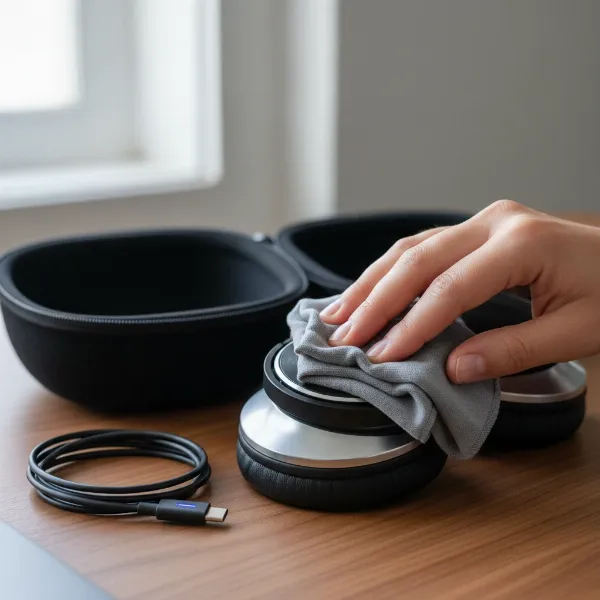
Always adjust the volume to a comfortable, safe level to protect your hearing, even with noise cancellation engaged. Utilize features like transparency mode in situations where situational awareness is crucial, such as crossing busy streets or listening for announcements. For optimal ANC performance, ensure the earcups form a good seal around your ears. Regularly cleaning the earcups and headband with a soft, dry cloth will prevent buildup and maintain hygiene.
Proper Storage and Care
Treat your headphones with care. Avoid dropping them or exposing them to excessive force, which can damage internal components. When not in use, store them in their provided protective case, especially during travel, to guard against scratches and impacts. Keep headphones away from extreme temperatures, direct sunlight, and moisture, as these can degrade materials and affect electronic performance. Regular, gentle cleaning of the ear pads can also extend their comfort and lifespan.
Conclusion
Noise cancelling headphones are far more than just a gadget; they are an investment in your well-being, productivity, and enjoyment of sound. From the quiet sanctuary they create for focused work to the enhanced clarity they bring to your favorite music, the benefits are undeniable. By understanding the nuances of active and passive noise cancelling, evaluating critical features like comfort and battery life, and choosing a model that aligns with your lifestyle, you can unlock a world where unwanted noise fades, and your audio experience takes center stage.
Which environment are you most eager to transform with the power of quiet?
Frequently Asked Questions
What are the main differences between Active and Passive Noise Cancelling headphones?
Active Noise Cancelling (ANC) uses electronic signals to cancel out low-frequency background noise, requiring battery power. Passive Noise Cancelling relies on physical design and materials to block mid-to-high frequency sounds without needing power. Both methods contribute to a quieter listening experience, with ANC being more effective against constant, droning noises like engine hum.
Can noise cancelling headphones protect my hearing?
Yes, noise cancelling headphones can help protect your hearing by reducing ambient noise. This allows you to listen to audio at lower, safer volumes instead of cranking up the volume to overcome background distractions, thereby minimizing the risk of noise-induced hearing damage over time.
Do noise cancelling headphones work without playing music?
Absolutely. The Active Noise Cancelling technology operates independently of any audio playback. You can simply turn on the ANC feature to enjoy a quieter environment, making them ideal for meditation, studying, or seeking peace in noisy places without needing to listen to music.
Are noise cancelling headphones comfortable for long flights?
Many high-end noise cancelling headphones are specifically designed for extended wear and travel comfort. Models like the Bose QuietComfort Ultra are renowned for their lightweight design and plush earcups, making them highly suitable for long flights and reducing listener fatigue over many hours.