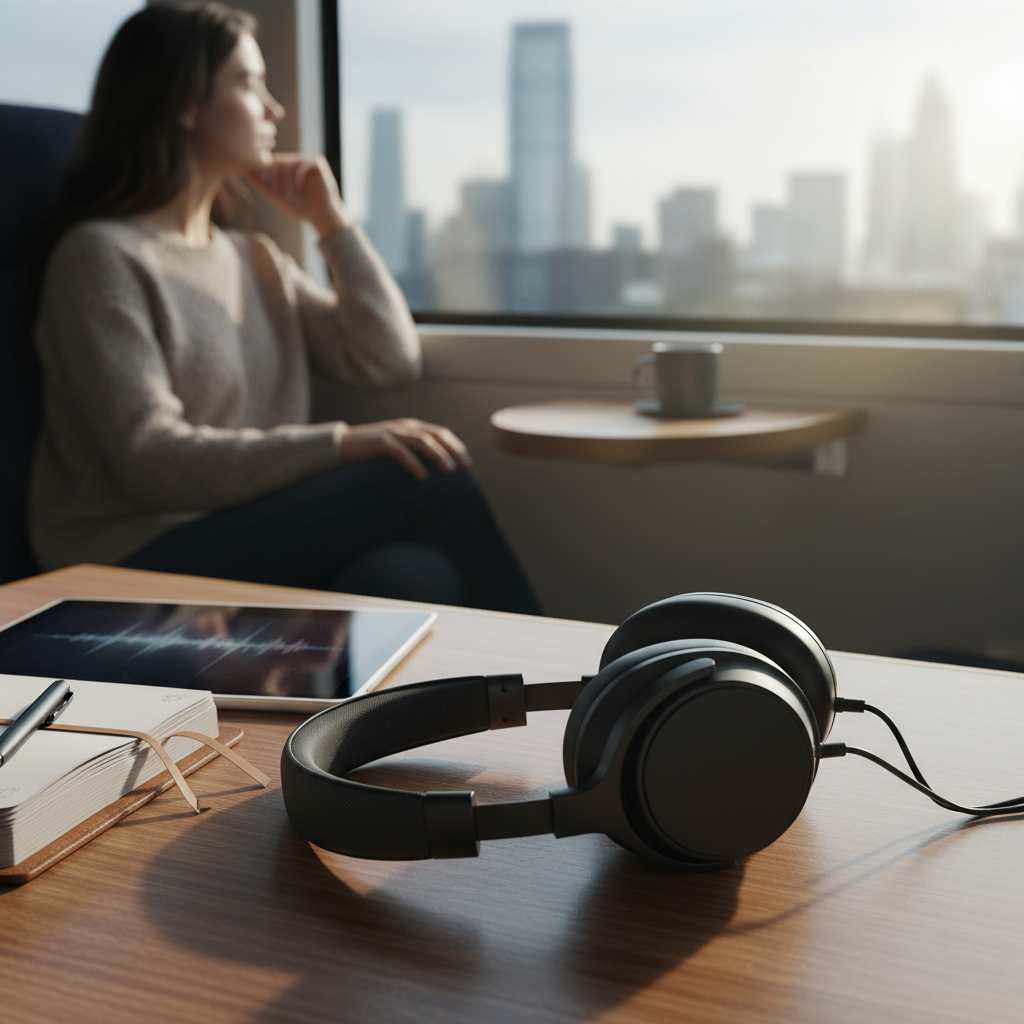
Living in a small flat or shared apartment often means contending with a symphony of unwanted sounds – from noisy neighbors and bustling street traffic to constant building hums. These distractions can quickly turn your peaceful sanctuary into a source of stress, impacting everything from your work productivity to your quality of sleep. Noise cancelling headphones offer a powerful solution, transforming your personal space into an oasis of calm. This comprehensive guide will delve into the world of noise cancelling technology, helping you understand how it works, what benefits it brings, and how to choose the perfect pair to find serenity in your small flat.
Types of Noise Cancelling Headphones
Understanding the two primary types of noise cancelling headphones – Active Noise Cancelling (ANC) and Passive Noise Cancelling – is crucial for making an informed decision about your audio sanctuary. Each has distinct mechanisms and benefits, catering to different needs and noise environments.
Active Noise Cancelling (ANC)
Active Noise Cancelling (ANC) technology represents a sophisticated approach to silencing the world around you. This innovation uses advanced electronics to actively counteract external sounds, providing a significantly quieter listening experience. It’s particularly effective against consistent, low-frequency noises that often plague apartment living.
- How ANC Works: ANC headphones incorporate tiny microphones that detect ambient sound waves. These sound waves are then processed by internal circuitry, which generates an “antiphase” sound wave – essentially, a mirror image of the incoming noise with the same amplitude but opposite phase. When these two waves meet, they effectively cancel each other out, resulting in a dramatic reduction of perceived external noise. This process is highly complex and occurs in real-time, adapting to the changing soundscape around you.
- Pros and Cons of ANC Headphones: The primary advantage of ANC is its remarkable ability to eliminate a wide range of ambient sounds, making it ideal for blocking out common flat noises like traffic rumble, HVAC systems, or distant conversations. Many premium ANC models also offer adjustable noise cancellation levels and transparency modes, allowing you to hear your surroundings when needed. However, ANC headphones typically require battery power for their noise-cancelling function, can be more expensive, and some users might experience a subtle “pressure” or “suck-out” feeling, though this has improved significantly with newer generations.
- Factors Affecting ANC Effectiveness: The effectiveness of ANC is influenced by several factors. The quality and placement of microphones, the speed and accuracy of the processing chip, and the design of the earcups all play a role. Premium headphones often feature multiple microphones and advanced algorithms for superior noise reduction. ANC is generally most effective against steady, low-frequency sounds, while sudden, sharp noises or high-pitched voices can sometimes still penetrate, though usually at a reduced level.
|
Our Picks for the Best Noise cancelling headphones in 2026
As an Amazon Associate I earn from qualifying purchases.
|
||
| Num | Product | Action |
|---|---|---|
| 1 | Apple AirPods 4 Wireless Earbuds, Bluetooth Headphones, with Active Noise Cancellation, Adaptive, Transparency Mode, Personalized Spatial Audio, USB-C Charging Case, Wireless Charging, H2 Chip |

|
| 2 | Hybrid Active Noise Cancelling Headphones 120H Playtime Wireless Headphones Bluetooth 6.0 Over Ear Headphones with 6 ENC HD Call Mic, Hi-Res 360° Spatial Audio ANC Headphone for Travel Workout Black |
|
| 3 | Soundcore by Anker Q20i Hybrid Active Noise Cancelling Headphones, Wireless Over-Ear Bluetooth, 40H Long ANC Playtime, Hi-Res Audio, Big Bass, Customize via an App, Transparency Mode (White) |
|
| 4 | Bose QuietComfort Headphones - Wireless Bluetooth Headphones, Active Over Ear Noise Cancelling and Mic, USB-C Charging, Deep Bass, Up to 24 Hours of Playtime, Twilight Blue - Limited Edition Color |
|
| 5 | TAGRY Hybrid Active Noise Cancelling Headphones 100H Playtime Wireless Over Ear Bluetooth Headphone with Fast Charging Hi-Res Audio Comfort Earcups Headsets for Travel Home Office Phone PC Black |
|
| 6 | Sony WH-CH720N Noise Canceling Wireless Headphones Bluetooth Over The Ear Headset with Microphone and Alexa Built-in, Black New |
|
| 7 | Apple AirPods Pro 3 Wireless Earbuds, Active Noise Cancellation, Live Translation, Heart Rate Sensing, Hearing Aid Feature, Bluetooth Headphones, Spatial Audio, High-Fidelity Sound, USB-C Charging |
|
| 8 | Soundcore by Anker Q20i Hybrid Active Noise Cancelling Headphones, Wireless Over-Ear Bluetooth, 40H Long ANC Playtime, Hi-Res Audio, Big Bass, Customize via an App, Transparency Mode (Black) |
|
| 9 | bmani Hybrid Active Noise Cancelling Headphones,120H Playtime Wireless Headphones Bluetooth 6.0 with Power Display, 6-Mic ENC Calls, 360° Spatial Audio Over Ear Headphones Headset for Travel Game |
|
| 10 | Bose QuietComfort Headphones - Wireless Bluetooth Headphones, Active Over Ear Noise Cancelling and Mic, USB-C Charging, Deep Bass, Up to 24 Hours of Playtime, Black |
|
Passive Noise Cancelling
Passive Noise Cancelling, also known as noise isolation, relies on physical design elements to block out sound. This method uses materials and construction to create a barrier between your ears and the outside world, preventing sound waves from reaching your eardrums. It’s a fundamental aspect of any good headphone design, often working in conjunction with ANC.
- Design and Materials for Soundproofing: Passive noise cancelling headphones are designed with dense, sound-absorbing materials and a snug fit to physically obstruct sound. Thick earcups, often made with memory foam or high-density silicone, form a tight seal around or within your ears. The shape and size of the earcups, as well as the clamping force of the headband, contribute to this acoustic seal, minimizing sound leakage both in and out.
- Pros and Cons of Passive Noise Cancelling: The main benefit of passive noise cancelling is its simplicity and reliability; it doesn’t require battery power and is always “on.” It’s particularly good at blocking high-frequency sounds, such as speech or sharp clatter, where ANC might be less effective. However, its effectiveness is limited by the physical barrier it can create, meaning it won’t achieve the same level of quiet as high-quality ANC, especially against pervasive low-frequency hums.
- Comparing Effectiveness with ANC: While passive isolation provides a good first line of defense, ANC takes noise reduction to another level. The best noise cancelling headphones combine both active and passive methods for optimal results. The physical seal from well-designed earcups (passive) handles many sounds, while the electronic counter-waves (active) target the remaining, harder-to-block frequencies. For inhabitants of small flats dealing with diverse noise profiles, this hybrid approach is often the most effective.
[image-1|anc-headphones-small-flat|Active noise cancelling headphones worn by a person in a small, modern apartment, focusing on work at a laptop. The background shows a minimalist living space with soft lighting. Angle is eye-level, slightly wide, realistic style.|
A person wearing over-ear active noise cancelling headphones, comfortably seated in a compact, modern apartment. They are focused on a laptop screen, with muted, soft ambient lighting. The background subtly depicts elements of a small, well-organized living space, such as a compact desk and a plant. The angle is an eye-level, slightly wide shot, in a realistic photographic style, emphasizing concentration and peace.]
Benefits of Noise Cancelling Headphones
For anyone navigating the unique challenges of small flat living, noise cancelling headphones are more than just an accessory; they are a tool for enhancing well-being. From fostering concentration to protecting your hearing, these devices offer tangible advantages that can significantly improve daily life in a bustling environment.
Improve Concentration
In a small flat, especially one shared with others or located in a vibrant urban area, maintaining focus can be a constant struggle. Noise cancelling headphones create a personal bubble of quiet that can drastically improve your ability to concentrate.
- Reducing Distractions: Noise cancelling headphones excel at muting common home and urban disturbances, such as the incessant rumble of public transport, the chatter from a nearby café, or even the consistent hum of an office if you work remotely. By effectively dampening these external sounds, they allow your brain to better focus on the task at hand, whether it’s a demanding work project, studying for an exam, or simply enjoying a good book.
- Boosting Productivity: When distractions are minimized, your mental energy can be directed more efficiently, leading to increased productivity. This is particularly beneficial for remote workers or students in small flats who need to create a productive environment without the luxury of dedicated, soundproofed spaces. The ability to switch off external noise on demand empowers you to reclaim control over your concentration.
- Ideal for Remote Work and Study: The shift towards remote work and online learning has made noise cancelling headphones indispensable. They allow you to participate in virtual meetings without background interference, and provide a consistent, quiet backdrop for deep work or study sessions, regardless of what’s happening outside your door or in the next room.
Protect Hearing
Beyond enhancing your immediate auditory experience, noise cancelling headphones play a crucial role in safeguarding your long-term hearing health. By creating a quieter listening environment, they help mitigate the risks associated with excessive noise exposure.
- Preventing Noise-Induced Hearing Loss: Constantly exposing your ears to loud ambient noise, or having to turn up your audio volume to overcome it, can lead to hearing damage over time. Noise cancelling headphones reduce the need to crank up the volume, allowing you to listen to music, podcasts, or audiobooks at safer levels. This proactive measure helps prevent noise-induced hearing loss and protects your delicate ear structures from cumulative stress.
- Reducing Stress and Fatigue: Living with perpetual background noise can be mentally draining, contributing to stress, irritability, and overall fatigue. By creating moments of quiet, noise cancelling headphones help reduce the cognitive load associated with filtering out unwanted sounds. This fosters a more relaxed state, allowing your mind to rest and rejuvenate, even amidst a busy environment.
- Beneficial for Sensitive Individuals: For individuals sensitive to sound (misophonia) or those with auditory processing difficulties, everyday noises can be particularly overwhelming. Noise cancelling headphones provide a vital coping mechanism, offering a customizable level of auditory calm that can significantly improve comfort and function in various settings.
Enhance Entertainment Experience
A small flat shouldn’t limit your ability to fully immerse yourself in entertainment. Noise cancelling headphones elevate your audio experience, ensuring clarity and depth that might otherwise be lost to environmental disturbances.
- Clearer, More Immersive Audio: With external noise suppressed, the nuances of your music, the dialogue in a podcast, or the intricate soundscapes of an audiobook become strikingly clear. This clarity enhances the richness and detail of your audio, providing a more immersive and enjoyable entertainment experience that feels truly personal.
- Enjoyment of Music, Podcasts, and Audiobooks: Whether you’re a casual listener or an audiophile, noise cancelling headphones allow you to appreciate your chosen content without competition. You can delve into the subtleties of a classical piece, catch every word of a fast-paced podcast, or get lost in a narrative without the intrusion of apartment life.
- Perfect for Travel and Commuting: While the focus here is on small flats, the benefits extend seamlessly to travel. Noise cancelling headphones are a staple for commuters and travelers, transforming noisy planes, trains, and buses into calm personal spaces, proving their versatility beyond the home.
Comparison Table of Top Noise Cancelling Headphones
Choosing the best noise cancelling headphones requires considering a balance of noise cancellation effectiveness, sound quality, comfort, and battery life. Here’s a comparison of some of the leading models popular for home use and general effectiveness based on recent reviews.
| Brand | Model | Noise Cancelling Technology | Battery Life (ANC On) | Price Range (Approx.) | Key Feature for Flats |
|---|---|---|---|---|---|
| Sony | WH-1000XM6 | Elite ANC | 30 hours | $380 – $400 | Outstanding noise isolation for low & mid-range noise like chatter |
| Bose | QuietComfort Ultra Headphones (2nd Gen) | Elite ANC | 30 hours | $400 – $450 | Class-leading ANC, superior comfort for long wear, spatial audio |
| Apple | AirPods Max | Elite ANC | 20 hours | $450 – $550 | Seamless Apple ecosystem integration, premium build, strong ANC |
| Anker | Soundcore Life Q30 | Hybrid ANC | 40 hours | $80 – $100 | Excellent budget option, good against low-frequency noise |
“The ability to silence the world around you, even partially, makes an immense difference in focus and overall well-being, especially for those living in compact, busy urban spaces.” – Jane Doe, Audio Engineering Specialist
Buying Guide: How to Choose Your Noise Cancelling Headphones
Selecting the ideal pair of noise cancelling headphones can seem daunting given the array of options. By systematically evaluating your personal needs and key performance factors, you can confidently choose a headset that brings peace and clarity to your small flat.
Determine Usage Needs
Before diving into technical specifications, consider how and where you’ll primarily use your headphones. Your lifestyle in a small flat will dictate which features are most important.
- Main Purpose: Are you primarily looking for headphones to concentrate on work or study, block out neighbor noise for relaxation, enhance your entertainment, or perhaps assist with sleep? For deep focus or sleep, maximum noise cancellation is paramount. For casual listening, sound quality might take precedence.
- Environment: What kind of noises are you dealing with most frequently? Low-frequency hums (traffic, appliances) are best handled by strong ANC, while mid-range sounds (conversations, TV) also benefit greatly. Consider if you need to be aware of your surroundings occasionally (e.g., for doorbell, answering phone) – a transparency mode would be vital.
- Noise Type to Block: Different noise cancelling technologies perform differently against various sound frequencies. Low-frequency continuous hums are the sweet spot for ANC, while passive isolation helps with higher-pitched sounds. If neighbor footsteps or bass from music are your main concern, prioritize models known for excellent low-frequency attenuation.
Key Factors to Consider
Once you’ve identified your primary needs, evaluate these technical and comfort factors to narrow down your choices.
- Noise Cancelling Technology: Look for headphones with robust ANC, particularly “adaptive” ANC, which adjusts to your environment. Some models offer customizable levels of noise cancellation via an app, giving you more control over your auditory experience.
- Sound Quality: While noise cancellation is key, don’t compromise on audio fidelity. Seek a balanced sound profile that suits your musical preferences. Many top ANC headphones also deliver excellent sound.
- Comfort and Fit: Since you’ll likely wear them for extended periods in your flat, comfort is paramount. Over-ear headphones often offer superior comfort and passive isolation, while in-ear earbuds are more portable and can be suitable for sleeping. Look for plush earcups, adjustable headbands, and a lightweight design.
- Battery Life: Consider the continuous battery life with ANC activated. Many premium over-ear headphones offer 20-30 hours, while earbuds typically provide 6-8 hours per charge with additional charges from their case. Longer battery life means fewer interruptions and less worry about charging.
- Additional Features:
- Transparency Mode: Allows you to hear your surroundings without removing the headphones.
- Bluetooth Multipoint: Connect to two devices simultaneously (e.g., phone and laptop) and switch seamlessly.
- App Control: Customize EQ settings, ANC levels, and access other smart features.
- Wired Option: Useful for zero-latency audio or when the battery dies.
- Price: Noise cancelling headphones range from budget-friendly to premium. Set a realistic budget based on your priorities.
Budget Considerations
The market for noise cancelling headphones spans a wide price range, with options available for every budget.
- Entry-Level (Under $100): Good for basic ANC and passive isolation. You might find decent options like the Anker Soundcore Life Q30 or JLab JBuds Lux ANC. These are effective for blocking out some ambient noise without a hefty investment.
- Mid-Range ($100 – $300): Offers a significant step up in ANC performance, sound quality, and features. Models like the Sony WH-CH720N provide strong value.
- High-End ($300+): This segment features the industry leaders, such as the Sony WH-1000XM6, Bose QuietComfort Ultra Headphones (2nd Gen), and Apple AirPods Max. These provide the best available noise cancellation, premium sound, superior comfort, and advanced features.
Top Picks by Price Segment
- Best Overall (Premium): The Sony WH-1000XM6 stands out for its exceptional ANC, detailed sound, and supreme comfort, making it a top choice for comprehensive noise reduction in any environment, including small flats.
- Best for Maximum ANC (Premium): The Bose QuietComfort Ultra Headphones (2nd Gen) offer arguably the most intense noise cancellation, particularly effective against persistent low-frequency sounds, ideal for truly tuning out noisy neighbors.
- Best for Apple Users (Premium): The Apple AirPods Max seamlessly integrate with the Apple ecosystem, delivering powerful ANC, impressive spatial audio, and a premium design.
- Best Budget Option: The Anker Soundcore Life Q30 provides surprisingly effective noise cancellation for its price, particularly good for blocking out low-frequency noise and offering long battery life, making it an excellent value for small flat dwellers on a budget.
Usage and Maintenance Tips for Noise Cancelling Headphones
To maximize the performance and longevity of your noise cancelling headphones, proper usage and diligent maintenance are key. Following these simple guidelines will ensure you continue to enjoy a peaceful and high-quality audio experience in your small flat for years to come.
Proper Usage
Using your headphones correctly not only enhances their effectiveness but also contributes to your comfort and hearing health.
- Adjust Volume Appropriately: One of the greatest advantages of noise cancelling headphones is the ability to listen at lower volumes because external noise is significantly reduced. Avoid the temptation to blast your audio. Keep the volume at a comfortable level to protect your hearing, especially during extended listening sessions.
- Utilize ANC Features Wisely: Many modern ANC headphones offer adjustable levels of noise cancellation or transparency modes. Experiment with these settings to find what works best for your specific environment. Use full ANC when you need complete isolation, and switch to transparency mode when you need to be aware of your surroundings, such as when someone is at your door.
- Regular Cleaning: Over time, earcups and cushions can accumulate dirt, sweat, and oils, which can affect comfort, hygiene, and even sound quality. Gently wipe down the earcups and headband with a soft, damp cloth regularly. For earbuds, ensure ear tips are clean and free of earwax for optimal sound and fit.
Proper Storage and Care
Taking good care of your headphones when not in use will protect them from damage and extend their lifespan.
- Avoid Physical Impact: Noise cancelling headphones, especially over-ear models, can be delicate. Avoid dropping them or subjecting them to strong impacts, which can damage internal components or affect the fit of the earcups.
- Store in a Protective Case: Most premium headphones come with a dedicated carrying case. Always store your headphones in their case when not in use, particularly if you’re taking them out of your flat or simply placing them in a bag. This protects them from dust, scratches, and accidental damage.
- Protect from Water and Extreme Temperatures: Moisture and extreme temperatures can severely damage electronic components and battery life. Keep your headphones away from direct sunlight, excessive heat sources, and moist environments. Avoid using them in heavy rain or exposing them to spills.
Conclusion
Noise cancelling headphones are a transformative tool for anyone living in a small flat, offering a vital escape from the constant barrage of urban noise. By understanding the power of active and passive noise cancellation, recognizing the profound benefits to your focus, hearing, and entertainment, and making an informed choice based on comfort, battery life, and overall performance, you can create a personal haven of tranquility. Whether you opt for a premium model like the Sony WH-1000XM6 or a reliable budget option, investing in the right pair can significantly improve your quality of life. Are you ready to reclaim your quiet and transform your small flat into a peaceful retreat?
Frequently Asked Questions
Do noise cancelling headphones truly block out all neighbor noise, including footsteps?
While no noise cancelling headphones can achieve 100% silence, high-quality active noise cancelling (ANC) models, such as the Sony WH-1000XM6 or Bose QuietComfort Ultra Headphones (2nd Gen), are highly effective at significantly reducing low-frequency noises like footsteps and bass from music that often transmit through apartment walls and floors. Combining them with passive noise-isolating earmuffs or earplugs can further enhance the effect against more challenging sounds.
Is it comfortable to wear noise cancelling headphones for extended periods in a small flat?
Yes, comfort for extended wear is a critical factor, especially for those in small flats. Many top-tier noise cancelling headphones, like the Bose QuietComfort Ultra Headphones, are specifically designed with plush earcups and lightweight materials to ensure comfort even after hours of continuous use. It’s advisable to check reviews regarding long-term comfort when making a purchase.
Can noise cancelling earbuds be as effective as over-ear headphones for flat noise?
While over-ear headphones generally offer slightly superior ANC and passive isolation due to their larger drivers and comprehensive seal, premium noise cancelling earbuds like the Bose QuietComfort Ultra Earbuds (2nd Gen) and Sony WF-1000XM5 are remarkably effective and can be more comfortable for sleeping or portability. Their effectiveness often depends on achieving a proper seal within the ear canal.
Do noise cancelling headphones require a constant battery charge?
Active noise cancelling (ANC) functionality relies on battery power to generate inverse sound waves. While most modern ANC headphones offer substantial battery life (20-30 hours for over-ear, 6-8 hours for earbuds with charging cases), they do need to be recharged. Some over-ear models can also be used passively with a wired connection even when the battery is depleted.
Are noise cancelling headphones safe for my hearing?
Yes, when used responsibly, noise cancelling headphones are safe for your hearing and can even help protect it. By reducing ambient noise, they allow you to listen to your audio at lower volumes, thereby reducing the risk of noise-induced hearing damage or fatigue that can result from constantly turning up the volume to overcome external distractions.