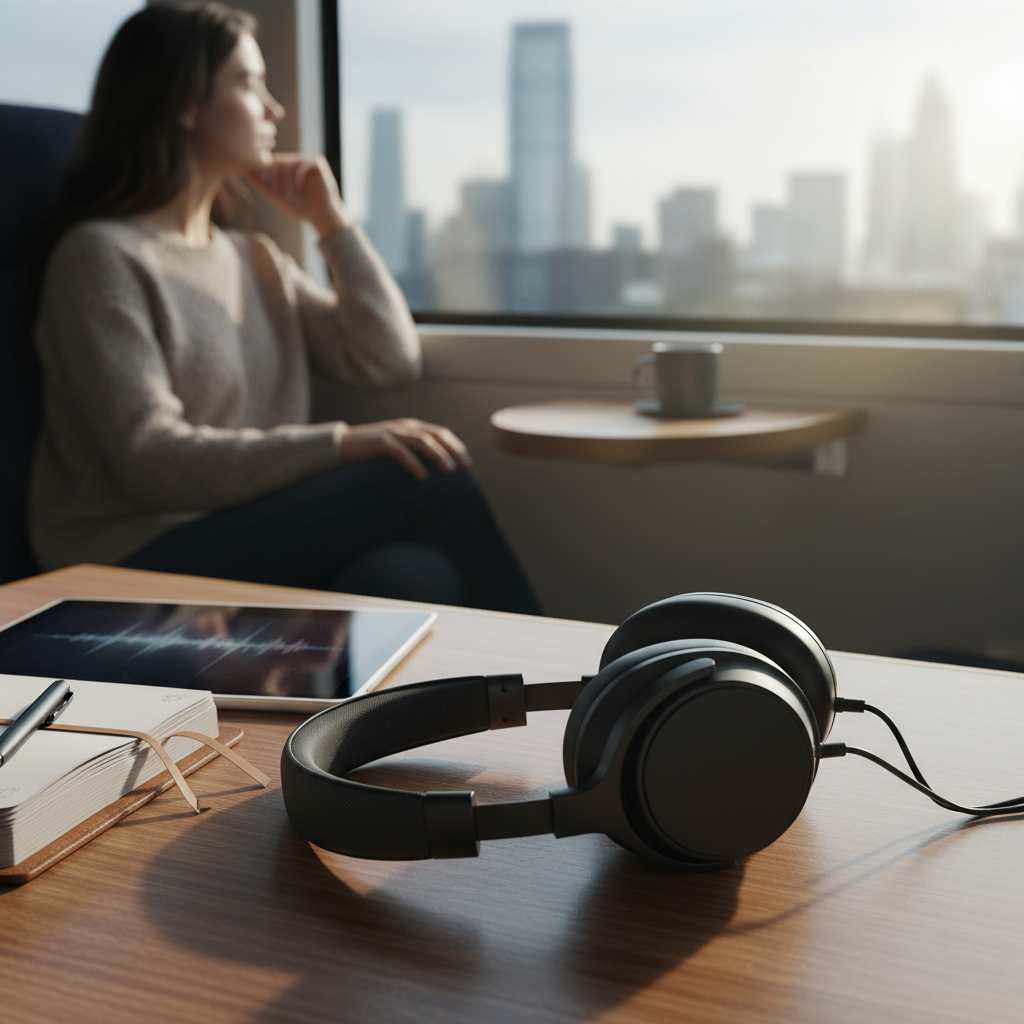
In our increasingly noisy world, finding moments of peace and focus can feel like a luxury. From bustling commutes and open-plan offices to loud cafes and airplane cabins, unwanted sounds are a constant presence. This is where noise-cancelling headphones step in, promising an escape into tranquility. But with various technologies and price points available, many wonder: are noise-cancelling headphones truly worth the investment? This comprehensive guide will explore the mechanics, benefits, and key considerations to help you decide if these remarkable devices are the right choice for enhancing your daily life.
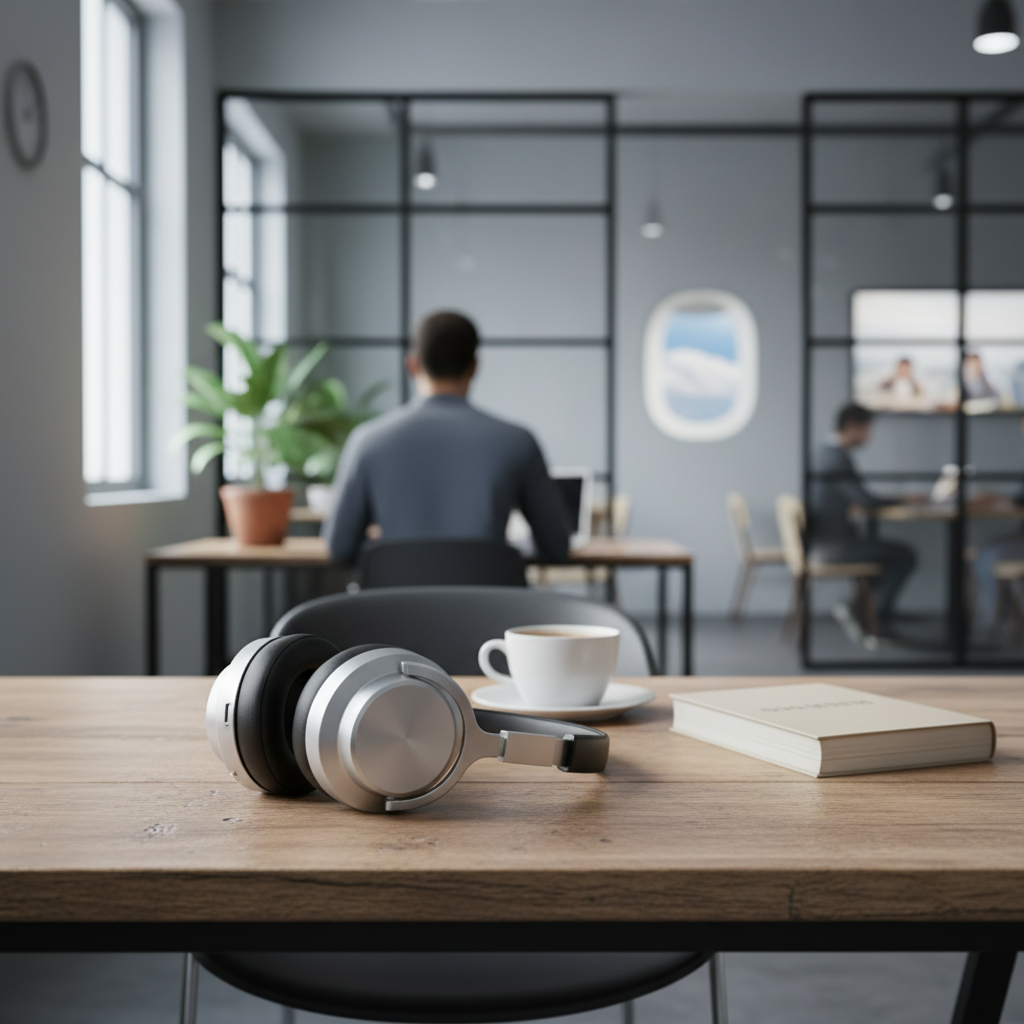
Types of Noise Cancelling Headphones
Noise-cancelling headphones primarily come in two forms: Active Noise Cancelling (ANC) and Passive Noise Cancelling. Understanding the distinction is crucial for choosing the right pair for your needs.
Active Noise Cancelling (ANC)
|
Our Picks for the Best Noise cancelling headphones in 2026
As an Amazon Associate I earn from qualifying purchases.
|
||
| Num | Product | Action |
|---|---|---|
| 1 | Apple AirPods 4 Wireless Earbuds, Bluetooth Headphones, with Active Noise Cancellation, Adaptive, Transparency Mode, Personalized Spatial Audio, USB-C Charging Case, Wireless Charging, H2 Chip |

|
| 2 | Apple AirPods Pro 3 Wireless Earbuds, Active Noise Cancellation, Live Translation, Heart Rate Sensing, Hearing Aid Feature, Bluetooth Headphones, Spatial Audio, High-Fidelity Sound, USB-C Charging |
|
| 3 | Bose QuietComfort Headphones - Wireless Bluetooth Headphones, Active Over Ear Noise Cancelling and Mic, USB-C Charging, Deep Bass, Up to 24 Hours of Playtime, Twilight Blue - Limited Edition Color |
|
| 4 | TAGRY Hybrid Active Noise Cancelling Headphones 100H Playtime Wireless Over Ear Bluetooth Headphone with Fast Charging Hi-Res Audio Comfort Earcups Headsets for Travel Home Office Phone PC Black |
|
| 5 | Soundcore by Anker Q20i Hybrid Active Noise Cancelling Headphones, Wireless Over-Ear Bluetooth, 40H Long ANC Playtime, Hi-Res Audio, Big Bass, Customize via an App, Transparency Mode (Black) |
|
| 6 | Bose QuietComfort Headphones - Wireless Bluetooth Headphones, Active Over Ear Noise Cancelling and Mic, USB-C Charging, Deep Bass, Up to 24 Hours of Playtime, Black |
|
| 7 | Soundcore by Anker Q20i Hybrid Active Noise Cancelling Headphones, Wireless Over-Ear Bluetooth, 40H Long ANC Playtime, Hi-Res Audio, Big Bass, Customize via an App, Transparency Mode (White) |
|
| 8 | Sony WH-CH720N Noise Canceling Wireless Headphones Bluetooth Over The Ear Headset with Microphone and Alexa Built-in, Black New |
|
| 9 | bmani Hybrid Active Noise Cancelling Headphones,120H Playtime Wireless Headphones Bluetooth 6.0 with Power Display, 6-Mic ENC Calls, 360° Spatial Audio Over Ear Headphones Headset for Travel Game |
|
| 10 | Hybrid Active Noise Cancelling Headphones 120H Playtime Wireless Headphones Bluetooth 6.0 Over Ear Headphones with 6 ENC HD Call Mic, Hi-Res 360° Spatial Audio ANC Headphone for Travel Workout Black |
|
Active Noise Cancelling technology is a marvel of modern acoustics, designed to electronically neutralize external sounds. ANC headphones employ tiny microphones that pick up ambient noise, analyze its sound waves, and then generate an “anti-noise” wave that is 180 degrees out of phase with the incoming sound. When these opposing sound waves meet, they effectively cancel each other out through a process called destructive interference, creating a quieter environment for the listener. This technology is particularly effective at reducing consistent, low-frequency sounds such as airplane engine hums, train rumbles, and the drone of air conditioning systems.
The primary advantages of ANC headphones include their superior ability to quiet noisy environments, allowing for enhanced sound clarity and an immersive listening experience. By reducing background distractions, they can significantly boost concentration for work or study. Furthermore, ANC can contribute to hearing protection by enabling users to listen to audio at lower, safer volumes, preventing the need to crank up the sound to overcome external noise. However, ANC headphones require battery power to operate, tend to be more expensive due to their advanced circuitry, and can sometimes reduce environmental awareness, posing a safety concern in certain situations like crossing busy streets. Some users might also notice a subtle pressure sensation or a slight alteration in audio quality due to the electronic processing. The effectiveness of ANC is also influenced by the quality of the microphones, the sophistication of the processing algorithms, and how well the headphones fit to create a seal around the ear.
[image-1|anc-headphones-technology|Close-up of active noise-cancelling headphones with visible microphones, illustrating sound waves cancelling each other out in an office environment|
A detailed close-up shot of an over-ear active noise-cancelling headphone. Tiny microphones are subtly visible on the earcups. Abstract sound waves in blue and red emanate from the headphones, visibly canceling each other out. The background is a slightly blurred modern office setting with people working quietly, viewed from a low angle. The lighting is soft and professional, with a realistic photographic style.]
Passive Noise Cancelling
Passive Noise Cancelling, also known as Passive Noise Isolation (PNI), relies purely on the physical design and materials of the headphones to block out external sound. This method doesn’t use electronic processing but instead creates a physical barrier between your ears and the environment. The effectiveness of passive noise cancelling largely depends on how well the ear cups or ear tips fit and seal around or within the ear, as well as the sound-absorbing properties of the materials used, such as memory foam or thick rubber.
The key benefits of passive noise-cancelling headphones are their simplicity and reliability. They do not require any battery power to function, making them a straightforward and often more affordable option. They are generally effective at reducing mid-to-high frequency noises, such as human speech, keyboard clicks, or general chatter, by physically muffling them. However, compared to ANC, passive noise cancelling is less effective at eliminating persistent, low-frequency hums. While ANC headphones utilize electronic cancellation, passive designs achieve isolation through form and material. Many high-quality noise-cancelling headphones, particularly over-ear models, incorporate both active and passive elements to offer a comprehensive noise reduction experience, with the physical design enhancing the electronic cancellation.
Benefits of Noise Cancelling Headphones
Beyond simply muting the world, noise-cancelling headphones offer a myriad of advantages that can significantly improve various aspects of your daily life.
Improved Concentration
In an age rife with distractions, the ability to focus is a valuable commodity. Noise-cancelling headphones provide a personal sanctuary, reducing ambient noise from common environments like busy offices, bustling cafes, public transportation, or even noisy homes. By minimizing these external interruptions, they create a conducive environment for deep work, focused study, or simply engaging with your audio content without interruption. This enhanced focus can lead to increased productivity and a more satisfying experience, especially for those working or studying remotely.
Hearing Protection
One of the often-overlooked but critical benefits of noise-cancelling headphones is their potential to protect your hearing. In noisy environments, the natural inclination is to increase the volume of your audio to drown out background sounds. This can expose your ears to dangerously high decibel levels over prolonged periods, potentially leading to hearing damage or conditions like tinnitus. By effectively suppressing external noise, noise-cancelling headphones allow you to listen to your music, podcasts, or audiobooks at much lower volumes while maintaining clarity, thereby reducing the risk of noise-induced hearing loss and mitigating stress and fatigue caused by constant exposure to loud sounds.
[image-2|hearing-protection-headphones|Person wearing noise-cancelling headphones in a noisy environment, symbolizing hearing protection and concentration|
A person in their late 20s, with a focused expression, wearing sleek, over-ear noise-cancelling headphones. They are in a blurred, slightly noisy environment like a busy train or a cafe, but their posture conveys calmness and concentration. The image should emphasize the protective aspect of the headphones, with soft, ambient lighting and a realistic style.]
Enhanced Entertainment Experience
For audiophiles and casual listeners alike, noise-cancelling headphones elevate the entertainment experience. By eliminating external sound interference, they allow the nuances of your audio to shine through, providing clearer, richer, and more dynamic sound. Whether you’re enjoying your favorite music, immersing yourself in a captivating podcast, or delving into an audiobook, the absence of distracting background noise ensures a more profound and enjoyable listening session. This makes them ideal companions for travel, daily commutes, or simply relaxing at home when you want to fully escape into your chosen audio world.
Comparison Table: Best Noise Cancelling Headphones
Choosing the best noise-cancelling headphones involves weighing various factors such as noise cancellation effectiveness, sound quality, comfort, and battery life. Here’s a comparison of some of the leading models on the market:
| Thương hiệu | Model | Công nghệ chống ồn | Thời lượng pin | Giá tham khảo |
|---|---|---|---|---|
| Sony | WH-1000XM5 | Adaptive ANC | 30 giờ | ~$350 – $400 |
| Bose | QuietComfort Ultra | Adaptive ANC | 24 giờ | ~$330 – $430 |
| Apple | AirPods Max | Adaptive ANC | 20 giờ | ~$530 |
| Sennheiser | Momentum 4 Wireless | Adaptive ANC | 60 giờ | ~$350 |
Note: Prices are approximate and can vary based on retailer and promotions.
Buying Guide: How to Choose the Right Noise-Cancelling Headphones
Selecting the perfect pair of noise-cancelling headphones requires careful consideration of your individual needs and preferences. With a plethora of options available, focusing on key factors will guide you to an informed decision.
Determine Usage Needs
Start by identifying your primary use case. Are you seeking headphones for intense focus during work or study, for serene travel on planes and trains, or for immersive entertainment at home? The environment in which you’ll primarily use your headphones heavily influences the type and strength of noise cancellation required. For instance, airplane engines demand robust low-frequency ANC, while office chatter might benefit more from a combination of ANC and good passive isolation.
Key Factors to Consider
- Noise Cancelling Technology: Evaluate whether you need advanced Adaptive Noise Cancelling (ANC) that adjusts to your environment or if standard ANC combined with effective passive isolation is sufficient. High-quality ANC is crucial for truly disruptive low-frequency noises.
- Sound Quality: While noise cancellation is paramount, sound quality remains essential. Look for headphones that offer a balanced audio profile with clear highs, rich mids, and deep bass. Some ANC technologies can subtly impact sound, so reading reviews focusing on audio fidelity is recommended.
- Comfort: Since noise-cancelling headphones are often worn for extended periods, comfort is non-negotiable. Consider models with adjustable headbands, plush, breathable ear cushions, and a lightweight design. The fit is highly personal, so try them on if possible to ensure they don’t cause discomfort or pressure points over time.
- Battery Life: Active Noise Cancelling consumes power, so battery life is a critical factor, especially for frequent travelers or long work sessions. Many top models offer 20-30 hours of battery life with ANC enabled, while some boast upwards of 60 hours. Also, check for fast-charging capabilities.
- Additional Features: Modern noise-cancelling headphones come with a host of extra features. Transparency mode (or Aware mode) allows ambient sound to pass through, keeping you aware of your surroundings for safety. Multipoint pairing lets you connect to two devices simultaneously. Touch controls offer convenient management of audio and calls, and built-in microphones are vital for clear phone calls or online meetings in noisy environments.
- Price: Noise-cancelling headphones range significantly in price. High-quality ANC technology and premium materials often come with a higher price tag.
[image-3|choosing-noise-cancelling-headphones|Someone trying on various noise-cancelling headphones in a retail setting, focusing on fit and comfort|
A person in their 30s trying on different models of over-ear noise-cancelling headphones in a modern electronics store. They are looking into a mirror, adjusting the fit on their head, with a thoughtful expression. The background shows blurred display shelves of various headphones. The scene is brightly lit and has a clean, editorial photography style.]
Budget Segments
- Budget-Friendly: Entry-level ANC headphones offer basic noise reduction and decent sound quality, suitable for those new to the technology or with limited needs.
- Mid-Range: This segment provides a good balance of effective ANC, improved sound, better build quality, and more features without the premium price tag.
- High-End/Premium: These models offer the best-in-class noise cancellation, superior audio fidelity, luxurious comfort, advanced features, and premium materials, catering to discerning users.
Usage and Maintenance Tips for Noise Cancelling Headphones
To maximize the performance and longevity of your noise-cancelling headphones, proper usage and diligent maintenance are key.
Proper Usage
- Adjust Volume Thoughtfully: One of the main benefits of ANC is the ability to listen at lower volumes. Avoid the temptation to crank up the volume, as this negates the hearing protection benefit.
- Utilize ANC Judiciously: While tempting to use ANC constantly, consider turning it off or using transparency mode when environmental awareness is crucial for safety, such as walking near traffic or needing to hear announcements. Many modern headphones offer adaptive ANC, which adjusts based on your surroundings.
- Ensure a Proper Fit: For optimal noise cancellation, a good seal around your ears is essential. Adjust the headband and earcups for over-ear models, or select the correct ear tip size for earbuds, to ensure a snug yet comfortable fit. Any gaps can significantly reduce ANC performance.
[image-4|using-noise-cancelling-headphones|Person properly adjusting noise-cancelling headphones for optimal fit and sound isolation, possibly at a desk or on public transport|
A person with short hair, mid-20s, wearing over-ear noise-cancelling headphones. They are gently adjusting the earcups to ensure a perfect seal, with a sense of deliberate action. The setting could be a focused workspace or a slightly blurred public transport interior, emphasizing the act of creating a personal quiet zone. Soft, natural lighting and a realistic, clean aesthetic.]
Proper Storage and Care
- Gentle Cleaning: Regularly wipe down the earcups and headband with a soft, dry cloth to prevent dirt and oil accumulation. For detachable ear tips, clean them with mild soap and warm water, ensuring they are completely dry before reattaching.
- Store in a Case: When not in use, store your headphones in their protective case. This shields them from dust, dirt, and physical damage, especially when traveling or commuting.
- Avoid Environmental Extremes: Keep your headphones away from direct sunlight, extreme temperatures, and moisture. While some models offer water resistance, it’s generally best to keep them dry to prevent damage to electronic components.
- Handle with Care: Avoid dropping your headphones or subjecting them to strong impacts, which can damage internal components or affect the delicate ANC microphones.
Conclusion
So, are noise-cancelling headphones worth it? For many, the answer is a resounding yes. In a world that often feels overwhelmingly loud, these devices offer a valuable retreat, enabling improved concentration, protecting your hearing, and elevating your audio experiences. Whether you’re a frequent flyer, a student battling library distractions, a remote worker seeking focus, or simply someone who cherishes moments of quiet, the benefits they provide can be truly transformative.
Investing in a quality pair of noise-cancelling headphones is an investment in your well-being, productivity, and enjoyment. By carefully considering your needs, understanding the technology, and choosing a model that aligns with your lifestyle and budget, you can unlock a new level of auditory serenity. Ready to reclaim your quiet space and immerse yourself in pure sound?
Frequently Asked Questions
Do noise-cancelling headphones hurt your hearing?
No, quite the opposite. Noise-cancelling headphones can actually help protect your hearing by reducing the need to turn up the volume in noisy environments. By muting external sounds, they allow you to listen to audio at safer, lower levels, thereby minimizing the risk of noise-induced hearing damage.
Do noise-cancelling headphones block out all sounds?
While highly effective, noise-cancelling headphones do not block out all sounds entirely. They are most efficient at reducing consistent, low-frequency noises like engine hums or air conditioning. Sudden, high-frequency sounds such as shouts, alarms, or sharp bangs are generally more difficult for the technology to fully cancel.
What is the main difference between Active and Passive Noise Cancelling?
The primary difference lies in their methods: Passive Noise Cancelling relies on physical design and materials to create a barrier and block sound. Active Noise Cancelling uses electronic processing to generate inverse sound waves that cancel out ambient noise. ANC is better for low-frequency hums, while passive is more effective against mid-to-high frequency sounds.
Are noise-cancelling headphones comfortable for long periods?
Many noise-cancelling headphones, particularly over-ear models, are designed for extended wear with features like plush ear cushions, adjustable headbands, and lightweight construction. However, comfort is subjective, so it’s advisable to try them on if possible to ensure they fit well and remain comfortable for your head shape and ear size over long durations.
Why are noise-cancelling headphones more expensive?
Noise-cancelling headphones are generally more expensive due to the advanced technology and components required for Active Noise Cancelling (ANC). This includes specialized microphones, sophisticated processing chips, and additional battery power, all of which contribute to the higher manufacturing cost compared to standard headphones.