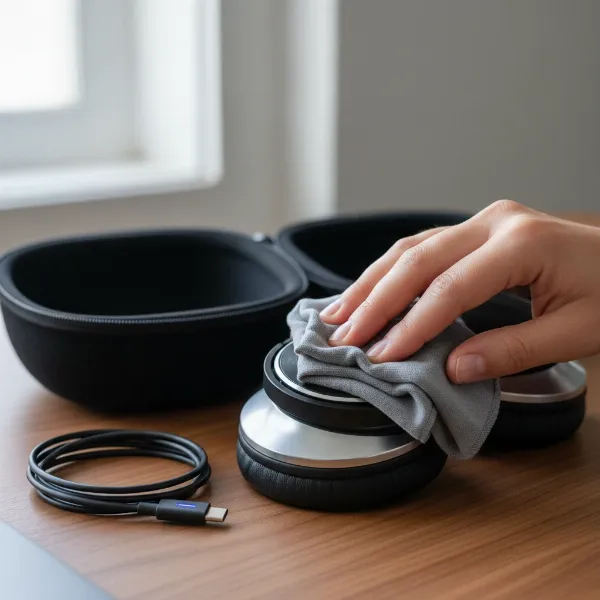
In today’s fast-paced world, finding a moment of peace can feel like a luxury. From bustling commutes to open-plan offices, noise pollution is an ever-present challenge, constantly vying for our attention and impacting our well-being. This is where noise cancelling headphones step in, offering a personal sanctuary of sound, allowing users to reclaim their focus, protect their hearing, and immerse themselves fully in their audio experience. But with countless models flooding the market, how do you discern which pair truly delivers on its promise? This comprehensive guide delves into the diverse landscape of noise cancelling headphones, combining technical insights with genuine user feedback to help you navigate the options and find your perfect acoustic escape.
Types of Noise Cancelling Headphones
Understanding the core technologies behind noise cancellation is crucial for making an informed decision. Not all headphones block sound in the same way, and each method offers distinct advantages and disadvantages.
Active Noise Cancelling (ANC)
|
Our Picks for the Best Noise cancelling headphones in 2026
As an Amazon Associate I earn from qualifying purchases.
|
||
| Num | Product | Action |
|---|---|---|
| 1 | Bose QuietComfort Headphones - Wireless Bluetooth Headphones, Active Over Ear Noise Cancelling and Mic, USB-C Charging, Deep Bass, Up to 24 Hours of Playtime, Black |

|
| 2 | bmani Hybrid Active Noise Cancelling Headphones,120H Playtime Wireless Headphones Bluetooth 6.0 with Power Display, 6-Mic ENC Calls, 360° Spatial Audio Over Ear Headphones Headset for Travel Game |
|
| 3 | Apple AirPods 4 Wireless Earbuds, Bluetooth Headphones, with Active Noise Cancellation, Adaptive, Transparency Mode, Personalized Spatial Audio, USB-C Charging Case, Wireless Charging, H2 Chip |
|
| 4 | Bose QuietComfort Headphones - Wireless Bluetooth Headphones, Active Over Ear Noise Cancelling and Mic, USB-C Charging, Deep Bass, Up to 24 Hours of Playtime, Twilight Blue - Limited Edition Color |
|
| 5 | Soundcore by Anker Q20i Hybrid Active Noise Cancelling Headphones, Wireless Over-Ear Bluetooth, 40H Long ANC Playtime, Hi-Res Audio, Big Bass, Customize via an App, Transparency Mode (Black) |
|
| 6 | Hybrid Active Noise Cancelling Headphones 120H Playtime Wireless Headphones Bluetooth 6.0 Over Ear Headphones with 6 ENC HD Call Mic, Hi-Res 360° Spatial Audio ANC Headphone for Travel Workout Black |
|
| 7 | Apple AirPods Pro 3 Wireless Earbuds, Active Noise Cancellation, Live Translation, Heart Rate Sensing, Hearing Aid Feature, Bluetooth Headphones, Spatial Audio, High-Fidelity Sound, USB-C Charging |
|
| 8 | TAGRY Hybrid Active Noise Cancelling Headphones 100H Playtime Wireless Over Ear Bluetooth Headphone with Fast Charging Hi-Res Audio Comfort Earcups Headsets for Travel Home Office Phone PC Black |
|
| 9 | Sony WH-CH720N Noise Canceling Wireless Headphones Bluetooth Over The Ear Headset with Microphone and Alexa Built-in, Black New |
|
| 10 | Soundcore by Anker Q20i Hybrid Active Noise Cancelling Headphones, Wireless Over-Ear Bluetooth, 40H Long ANC Playtime, Hi-Res Audio, Big Bass, Customize via an App, Transparency Mode (White) |
|
Active Noise Cancelling (ANC) technology works by actively neutralizing external sounds. Tiny microphones embedded in the headphones detect ambient noise, particularly consistent low-frequency sounds like engine hums or air conditioning drones. The headphone’s internal circuitry then generates an “anti-noise” sound wave that is exactly opposite in phase to the unwanted noise. When these opposing sound waves meet, they effectively cancel each other out, significantly reducing the perceived volume of the external environment.
The primary advantage of ANC is its remarkable effectiveness against low-frequency, continuous noise, making it a favorite among frequent flyers and commuters. However, ANC can sometimes introduce a subtle “hiss” or “eardrum suck” sensation, which some users find disorienting. Its performance can also vary against sudden, high-pitched sounds or human voices. Additionally, ANC technology requires power, impacting battery life compared to passive options. Factors affecting ANC effectiveness include the quality of microphones, processing algorithms, and the headphone’s overall seal.
Passive Noise Cancelling
Passive Noise Cancelling (PNC), also known as passive noise isolation, relies purely on the physical design and materials of the headphones to block external sound. These headphones often feature thick, padded ear cups that completely enclose the ears or specially designed ear tips that create a tight seal within the ear canal. The dense materials and snug fit act as a physical barrier, preventing sound waves from reaching the eardrums.
The main benefits of passive noise cancellation are its simplicity, consistent performance across a broader range of frequencies, and no reliance on battery power for noise reduction. It is particularly effective at blocking mid-to-high frequency noises like chatter, keyboard clicks, or general ambient sound. While it doesn’t offer the deep silence of high-end ANC for low-frequency rumblings, a well-designed passive seal can significantly reduce overall noise. Users appreciate that PNC doesn’t introduce any electronic artifacts or pressure sensations, leading to a more natural listening experience.
Benefits of Noise Cancelling Headphones
Beyond simply muting the world, noise cancelling headphones offer a wealth of advantages that can profoundly impact daily life, from enhancing productivity to safeguarding long-term health.
Improve Focus
Noise cancelling headphones are powerful tools for enhancing concentration in distracting environments. By significantly reducing ambient noise from office chatter, coffee shop commotions, or public transport, they create a personal quiet zone. This allows individuals to delve deeper into tasks, studies, or creative work without external interruptions, leading to increased productivity and efficiency. Many users report a noticeable improvement in their ability to maintain focus, making these headphones invaluable for remote work, studying, or any activity requiring sustained attention.
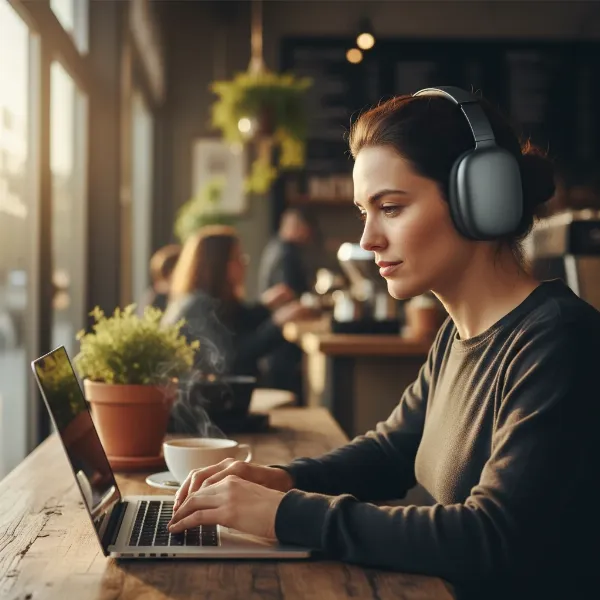 Person wearing noise cancelling headphones, deeply focused on work in a bustling environment
Protect Hearing
Exposure to prolonged loud noise is a significant cause of hearing damage and premature hearing loss. Noise cancelling headphones contribute to hearing protection by reducing the need to increase volume in noisy environments. When ambient sounds are effectively cancelled, users can enjoy their audio at lower, safer decibel levels, minimizing strain on their ears. This protective aspect is crucial for preventing noise-induced hearing loss and reducing auditory fatigue, making them a sensible choice for anyone who frequently finds themselves in loud settings.
Enhance Entertainment Experience
For audiophiles and casual listeners alike, noise cancelling headphones elevate the entertainment experience to new heights. By eliminating background distractions, they allow the subtle nuances of music, the crisp dialogue of podcasts, or the immersive soundscapes of audiobooks to come through with remarkable clarity. The absence of external noise creates a more intimate and engaging listening session, transforming mundane commutes into personal concerts or enabling a deeper connection with storytelling. This enhanced audio fidelity ensures every detail of your chosen media is enjoyed as intended.
Comparison Table of Best Noise Cancelling Headphones
When selecting noise cancelling headphones, key features like noise cancellation technology, battery life, and overall value are crucial considerations for users. Below is a comparative overview of some top-rated models that consistently receive positive feedback for their performance and user experience.
| Brand | Model | Noise Cancelling Technology | Battery Life (ANC On) | Estimated Price (USD) |
|---|---|---|---|---|
| Sony | WH-1000XM6 | Industry-leading ANC | 30 hours | $398 |
| Bose | QuietComfort Ultra | Excellent ANC, immersive audio | 24 hours | $279 |
| Apple | AirPods Max | Strong ANC, seamless Apple ecosystem | 20 hours | $450 |
| Sennheiser | Momentum 4 Wireless | Powerful ANC, exceptional sound | 60 hours | $300 |
Guide to Choosing Noise Cancelling Headphones
Selecting the right pair of noise cancelling headphones involves a thoughtful assessment of personal needs, features, and budget. With a myriad of options available, a structured approach can help streamline the decision-making process.
Determine Usage Needs
Begin by identifying your primary reason for wanting noise cancelling headphones. Are you seeking to eliminate the drone of airplane engines for frequent travel, or do you need to block out office chatter for improved productivity? Different environments present varying types of noise; for example, ANC excels at low-frequency sounds, while passive isolation handles higher frequencies effectively. Consider your daily routine, the specific noise challenges you face, and how often you’ll be using the headphones. This clarity of purpose will guide you toward the most appropriate technology and design.
Factors to Consider
Beyond noise cancellation, several factors contribute to the overall user experience. Sound quality is paramount for many, with audiophiles often prioritizing models that offer rich, balanced audio. Comfort is critical, especially for extended wear; lightweight designs, plush earcups, and adjustable headbands are highly valued by users. Battery life is another significant concern, with longer durations being essential for travelers and those who use their headphones throughout the day. Additionally, look for supplementary features such as transparency mode (to hear surroundings), intuitive touch controls, reliable microphone quality for calls, and multi-device connectivity.
Budget
Noise cancelling headphones span a wide price range, from budget-friendly options to premium high-fidelity models.
- Affordable Segment: Entry-level headphones typically offer decent noise cancellation and sound quality for everyday use without breaking the bank. These are great for users new to ANC or those with less demanding needs.
- Mid-Range Segment: This category provides a strong balance of performance, features, and comfort, often including advanced ANC and improved audio. Many excellent all-rounders fall into this price point.
- High-End Segment: Premium headphones boast the best in noise cancellation, superior sound fidelity, luxurious materials, and advanced smart features. These are for discerning users who prioritize top-tier performance and are willing to invest.
Top Picks by Price Segment
For those seeking the pinnacle of noise cancellation, the Sony WH-1000XM6 consistently earns high praise for its class-leading ANC and balanced audio across various user reviews. Users frequently cite its ability to create a near-silent environment, even in the loudest settings. In the premium category, the Bose QuietComfort Ultra Headphones are highly regarded for their exceptional comfort and immersive audio experience, making them a top choice for long listening sessions and travel. For a more budget-conscious yet high-performing option, the 1More Sonoflow Pro HQ51 offers surprisingly effective ANC and a lengthy battery life, providing excellent value without compromising too much on essential features.
Tips for Using and Maintaining Noise Cancelling Headphones
Maximizing the performance and lifespan of your noise cancelling headphones requires mindful usage and consistent care. Adhering to best practices ensures you continue to enjoy their benefits for years to come.
Proper Use
Always ensure a proper fit; a good seal around your ears is crucial for both active and passive noise cancellation to work effectively. Adjust the headband and earcups to sit snugly but comfortably. While ANC helps reduce the need for high volumes, it’s still advisable to keep your audio at moderate levels to protect your hearing. Take breaks during long listening sessions to prevent auditory fatigue and allow your ears to rest. Experiment with any available transparency or ambient sound modes to stay aware of your surroundings when necessary, especially in urban environments.
“Many users find a slight pressure sensation when first using ANC, similar to changes in cabin pressure on an airplane. This is a common experience and usually subsides as you adjust, but ensuring a proper fit can minimize it.”
Proper Storage
Protect your investment by storing headphones correctly. Always place them in their designated case or a protective pouch when not in use to shield them from dust, dirt, and accidental damage. Avoid leaving them in direct sunlight or extreme temperatures, which can degrade battery life and material quality. Keep them away from moisture and humidity. Regularly clean the earcups and headband with a soft, dry cloth to prevent oil buildup and maintain hygiene, which also helps preserve the integrity of the materials and the acoustic seal.
Conclusion
Noise cancelling headphones have undeniably transformed our listening experiences, providing a much-needed escape from the daily cacophony. From the cutting-edge active noise cancellation that silences airplane engines to the reliable passive isolation that mutes office chatter, these devices offer profound benefits for focus, hearing health, and immersive entertainment. The wealth of user feedback consistently highlights the Sony WH-1000XM6 and Bose QuietComfort Ultra as top contenders, though excellent options exist across all price points. By carefully considering your individual needs, prioritizing comfort and sound quality, and adhering to proper care, you can find a pair of noise cancelling headphones that not only meet but exceed your expectations. What environment will you transform into your personal haven of sound next?
Frequently Asked Questions
Can noise cancelling headphones cause ear pressure or headaches?
Some users may experience a sensation of pressure, often described as “eardrum suck,” or even mild headaches, especially with Active Noise Cancelling (ANC) headphones. This feeling arises from the absence of low-frequency sounds that your ears are accustomed to. Ensuring a proper fit and taking breaks can often alleviate these sensations, as it’s not typically indicative of hearing damage.
Are noise cancelling headphones safe for hearing?
Yes, noise cancelling headphones are generally considered safe for hearing and can even be beneficial. By reducing ambient noise, they eliminate the need to listen to music at dangerously high volumes, thereby protecting your ears from noise-induced hearing loss. The technology itself does not produce harmful sounds.
Do noise cancelling headphones work for all types of noise?
Noise cancelling headphones are most effective at blocking consistent, low-frequency sounds like engine hums, air conditioning, or general background drone. While they can reduce mid-to-high frequency noises like human voices or sudden sharp sounds, their effectiveness against these types of noise is typically less pronounced.
How long do noise cancelling headphones typically last on a single charge?
The battery life of noise cancelling headphones varies significantly depending on the model and whether Active Noise Cancelling (ANC) is engaged. Most modern ANC headphones offer between 20 to 30 hours of playtime with ANC active, while some high-end models can extend this to 60 hours or more.
Is there a difference between active and passive noise cancelling?
Yes, there is a fundamental difference. Active Noise Cancelling (ANC) uses electronics to generate “anti-noise” sound waves that cancel out external sounds, primarily effective against low frequencies. Passive Noise Cancelling (PNC) relies on the physical design, materials, and a snug fit to create a barrier that blocks sound, excelling at mid-to-high frequencies.
How important is fit for noise cancelling headphones?
Fit is extremely important for both active and passive noise cancelling headphones. A proper seal around or in your ears is crucial for effective noise isolation. A poor fit can allow external sounds to leak in, significantly diminishing the performance of both ANC and PNC technologies.