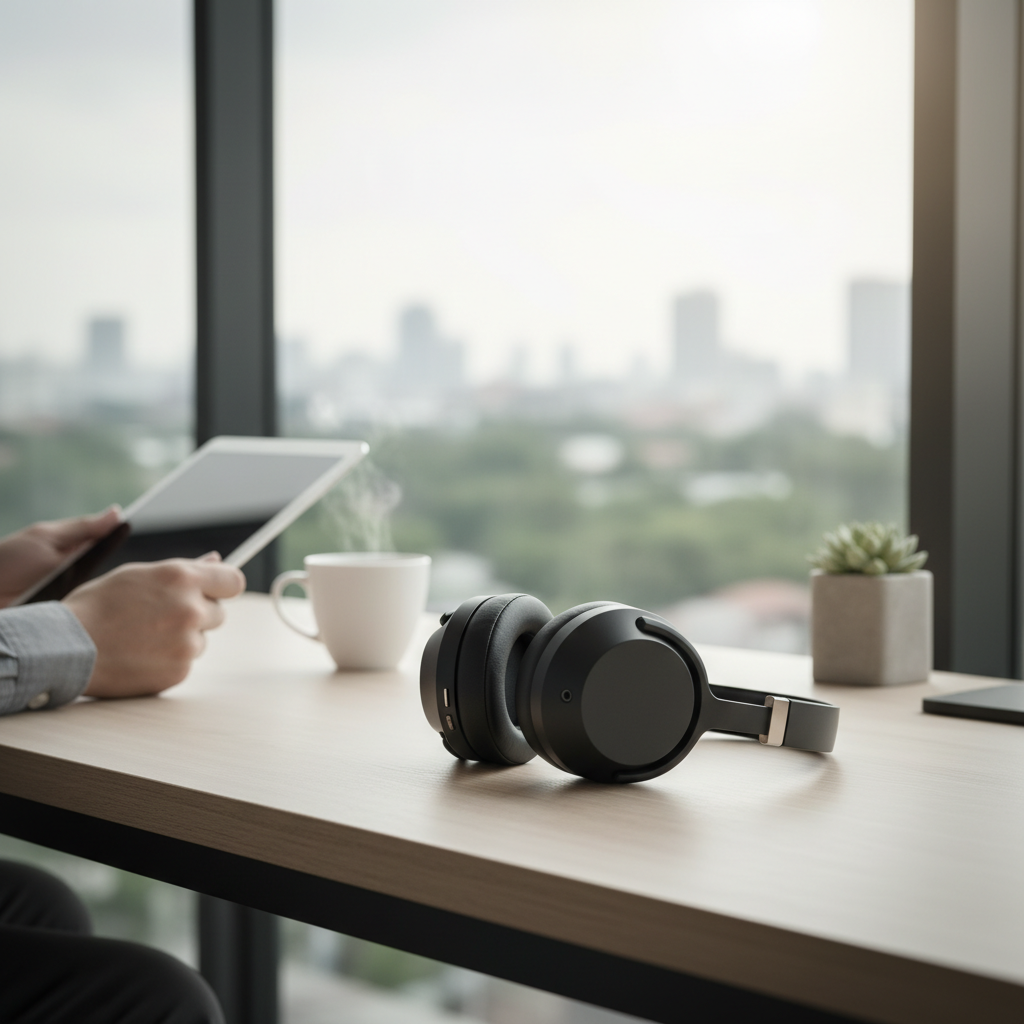
For first graders, the world can be a vibrant, yet sometimes overwhelmingly loud, place. From bustling classrooms and lively play areas to public transportation and busy homes, constant noise can make it difficult for young children to focus, learn, and even relax. Noise cancelling headphones offer a remarkable solution, creating a calmer auditory environment that supports concentration, protects developing ears, and enhances their overall experience. Choosing the right pair, however, requires careful consideration of safety, comfort, and effectiveness, especially for such a crucial developmental stage. This comprehensive guide will navigate you through the world of noise cancelling headphones, helping you find the perfect match for your first grader’s unique needs.
Types of Noise Cancelling Headphones
Understanding the different technologies behind noise cancelling headphones is essential when selecting the best option for a first grader. These typically fall into two main categories: Active Noise Cancelling (ANC) and Passive Noise Cancelling.
Active Noise Cancelling (ANC) Headphones
Active Noise Cancelling (ANC) headphones utilize advanced technology to actively reduce ambient sounds. They achieve this by employing tiny microphones that detect external noise frequencies and then generate opposing sound waves. These “anti-noise” signals effectively cancel out the incoming sounds through a process known as destructive interference, resulting in a significantly quieter listening experience.
Pros and Cons of ANC Headphones for Kids:
- Pros: ANC is highly effective at reducing a broad spectrum of sounds, particularly persistent low-frequency noises like engine hums or air conditioning. This makes them excellent for travel, noisy classrooms, or homes. Many ANC models designed for children also include important features like volume limiting and durable builds.
- Cons: ANC headphones require a power source, usually a battery, for their noise-cancelling function, meaning they need to be charged regularly. Some children might find the subtle “whooshing” sound produced by ANC technology unsettling at first, though many adapt quickly. They also tend to be a bit more expensive than passive alternatives.
- Factors Affecting ANC Effectiveness: The quality of the microphones, the processing algorithms, and the seal of the earcups all contribute to how well ANC works. Hybrid ANC, which uses both inward and outward-facing microphones, generally offers superior noise reduction.
|
Our Picks for the Best Noise cancelling headphones in 2026
As an Amazon Associate I earn from qualifying purchases.
|
||
| Num | Product | Action |
|---|---|---|
| 1 | Sony WH-CH720N Noise Canceling Wireless Headphones Bluetooth Over The Ear Headset with Microphone and Alexa Built-in, Black New |

|
| 2 | Soundcore by Anker Q20i Hybrid Active Noise Cancelling Headphones, Wireless Over-Ear Bluetooth, 40H Long ANC Playtime, Hi-Res Audio, Big Bass, Customize via an App, Transparency Mode (White) |
|
| 3 | Soundcore by Anker Q20i Hybrid Active Noise Cancelling Headphones, Wireless Over-Ear Bluetooth, 40H Long ANC Playtime, Hi-Res Audio, Big Bass, Customize via an App, Transparency Mode (Black) |
|
| 4 | Bose QuietComfort Headphones - Wireless Bluetooth Headphones, Active Over Ear Noise Cancelling and Mic, USB-C Charging, Deep Bass, Up to 24 Hours of Playtime, Black |
|
| 5 | Bose QuietComfort Headphones - Wireless Bluetooth Headphones, Active Over Ear Noise Cancelling and Mic, USB-C Charging, Deep Bass, Up to 24 Hours of Playtime, Twilight Blue - Limited Edition Color |
|
| 6 | Apple AirPods 4 Wireless Earbuds, Bluetooth Headphones, with Active Noise Cancellation, Adaptive, Transparency Mode, Personalized Spatial Audio, USB-C Charging Case, Wireless Charging, H2 Chip |
|
| 7 | Apple AirPods Pro 3 Wireless Earbuds, Active Noise Cancellation, Live Translation, Heart Rate Sensing, Hearing Aid Feature, Bluetooth Headphones, Spatial Audio, High-Fidelity Sound, USB-C Charging |
|
| 8 | bmani Hybrid Active Noise Cancelling Headphones,120H Playtime Wireless Headphones Bluetooth 6.0 with Power Display, 6-Mic ENC Calls, 360° Spatial Audio Over Ear Headphones Headset for Travel Game |
|
| 9 | Hybrid Active Noise Cancelling Headphones 120H Playtime Wireless Headphones Bluetooth 6.0 Over Ear Headphones with 6 ENC HD Call Mic, Hi-Res 360° Spatial Audio ANC Headphone for Travel Workout Black |
|
| 10 | TAGRY Hybrid Active Noise Cancelling Headphones 100H Playtime Wireless Over Ear Bluetooth Headphone with Fast Charging Hi-Res Audio Comfort Earcups Headsets for Travel Home Office Phone PC Black |
|
Passive Noise Cancelling Headphones
Passive Noise Cancelling (PNC), often referred to as noise isolation, relies on the physical design of the headphones to block out external sounds. These headphones feature thick, well-cushioned earcups and sound-dampening materials that create a physical barrier between the ear and the environment.
Pros and Cons of Passive Noise Cancelling Headphones for Kids:
- Pros: PNC headphones are typically more affordable and don’t require batteries, making them a simple and reliable choice. Their design is often more straightforward and can be a gentler introduction for children who might be sensitive to the sensation of ANC. They are particularly effective at blocking out higher-frequency sounds like voices or sudden loud noises.
- Cons: While effective, passive noise cancellation generally doesn’t match the broad-spectrum noise reduction capabilities of ANC, especially against persistent low-frequency sounds. The level of noise reduction depends heavily on the quality of materials and the snugness of the fit.
- Design and Materials for Soundproofing: Look for models with robust earcups, plush ear cushions, and sturdy headbands that provide a consistent seal around the child’s ears without causing discomfort. Materials like high-density foam are key for effective sound dampening.
Benefits of Noise Cancelling Headphones
Noise cancelling headphones offer a multitude of benefits for first graders, extending beyond mere quietness to positively impact their learning, health, and well-being.
Improving Concentration
In a world filled with constant stimuli, first graders can often struggle to focus on tasks. Noise cancelling headphones create a personal “quiet zone,” significantly reducing distracting background sounds found in classrooms, during homework sessions, or in bustling public spaces. This reduction in auditory clutter allows children to better tune into their lessons, engage with reading, or complete assignments without their minds being pulled in multiple directions. Improved focus directly translates to increased learning efficiency and better academic performance.
Hearing Protection
One of the most critical advantages of headphones designed for children is their ability to protect developing ears. Many kids’ noise cancelling headphones come with built-in volume limiting technology, typically capping the sound output at a safe level of 85 decibels (dB). This is the recommended maximum for extended listening to prevent long-term hearing damage. By controlling the volume, these headphones enable children to enjoy audio content without the risk of overexposure to loud sounds, a common concern with regular adult headphones.
Enhancing Entertainment Experience
Whether on a long car ride, an airplane, or simply relaxing at home, noise cancelling headphones elevate a child’s entertainment experience. By minimizing external noise, the audio from music, audiobooks, or movies becomes clearer and more immersive. This allows first graders to fully appreciate their chosen content without having to turn up the volume to dangerous levels, making travel more enjoyable and downtime more peaceful.
Reducing Sensory Overload
For many first graders, especially those with conditions like ADHD, autism, or other sensory processing sensitivities, everyday sounds can be overwhelming and stressful. A noisy cafeteria, a loud classroom, or even the hum of a computer can trigger anxiety or lead to meltdowns. Noise cancelling headphones act as a crucial tool for managing sensory input, muffling distressing sounds and creating a sense of calm and control. This allows children to navigate potentially overwhelming environments with greater ease and comfort.
“Noise-cancelling headphones are a thoughtful response to a real classroom need. By helping students manage sensory input, focus on their learning, and reduce stress, they support a healthier, more inclusive school environment.” – Encore Data Products, Education Technology Experts
Supporting Emotional Regulation
The ability to control one’s auditory environment can profoundly impact a child’s emotional state. By providing a buffer against unwanted noise, noise cancelling headphones can help first graders regulate their emotions more effectively. They can reduce feelings of frustration, anxiety, and overwhelm, fostering a sense of security and peace. This can be particularly beneficial during transitions between activities, in unpredictable environments, or when a child simply needs a moment of quiet reflection.
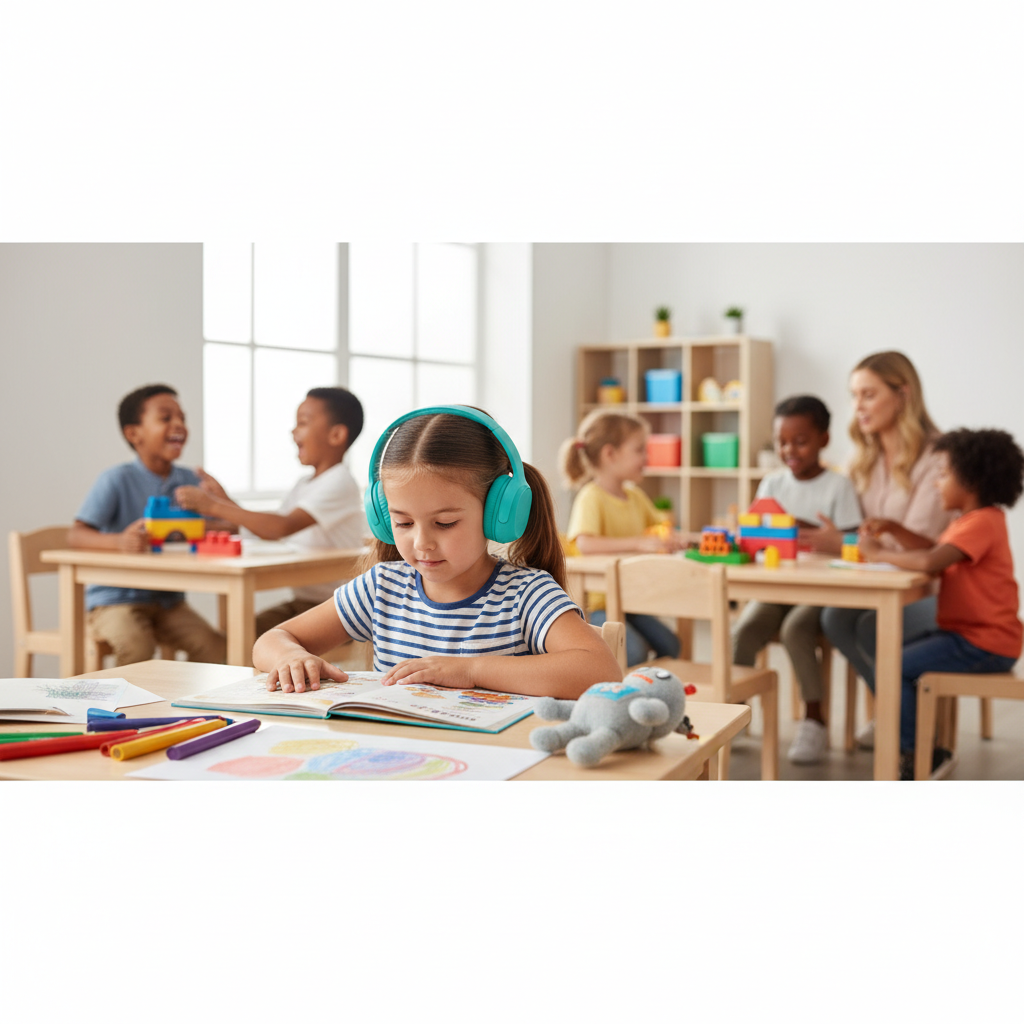
[image-1|first-grader-using-noise-cancelling-headphones|First grader calmly using noise cancelling headphones in a busy classroom setting, focused on a book.|
A realistic photo of a first-grade child (around 6-7 years old) wearing child-sized blue or green over-ear noise-cancelling headphones. The child is sitting at a small desk in a brightly lit, slightly bustling classroom, but appears calm and focused on reading a book. The background shows other children faintly, engaged in various activities, hinting at noise without being distracting. Soft, natural lighting. Editorial style. ]
Comparison Table: Top Noise Cancelling Headphones for First Graders
When choosing noise cancelling headphones for your first grader, several models stand out for their blend of safety features, comfort, and noise reduction capabilities. Here’s a comparison of some highly-regarded options:
| Brand | Model | Noise Cancelling Tech | Volume Limiting | Battery Life (ANC On) | Key Features |
|---|---|---|---|---|---|
| iClever | BTH20 | ANC | 74/85dBA | 35 hours | Durable, flexible headband, wired/wireless, simple controls |
| JBL | Junior 470NC | ANC | Yes (Kid Safe Volume) | 30 hours | Active Noise Cancelling, volume limiting, customizable listening controls |
| BuddyPhones | Cosmos+ | ANC | 75/85/94dB Modes | 19+ hours | Durable, flexible, detachable boom mic, IP67 waterproof (Wave model) |
| Soundcore by Anker | Q20i | Hybrid ANC | 85dB (App-based) | 40 hours | Superior noise reduction, comfortable fit, accessible price |
| PROHEAR | 032 2.0 | Passive (25dB NRR) | N/A | N/A | Sensory ear protection, adjustable, foldable, lightweight, budget-friendly |
Note: Prices are approximate and can vary significantly based on retailer and promotions. Always check current listings for the most up-to-date pricing.
Buying Guide: How to Choose the Right Noise Cancelling Headphones
Selecting the perfect pair of noise cancelling headphones for a first grader involves a thoughtful assessment of various factors to ensure safety, comfort, and optimal performance.
Determine Usage Needs
Start by considering the primary purpose of the headphones.
- Learning and School: If the main goal is to aid concentration in a noisy classroom or during homework, look for headphones with robust ANC to block out chatter and environmental hums.
- Travel and Public Spaces: For flights, car rides, or busy environments, prioritize effective noise reduction and a comfortable, foldable design for portability.
- Sensory Relief: For children with sensory sensitivities, both ANC and high-quality passive models can be beneficial. Some children prefer passive initially to avoid the “whoosh” of ANC.
Key Factors to Consider
- Noise Cancelling Technology: Decide between Active Noise Cancelling (ANC) for superior noise reduction across various frequencies, or Passive Noise Cancelling (PNC) for simpler, battery-free operation and good reduction of sudden, sharp noises.
- Sound Quality: While less critical than for adults, good sound clarity is still important. Crucially, ensure the headphones have a built-in volume limiter (preferably 85dB) to protect young ears.
- Comfort and Fit: First graders have smaller heads and sensitive ears. Look for adjustable headbands, soft, plush ear cushions, and a lightweight design that doesn’t put too much pressure on the head or ears. Over-ear designs generally offer better comfort and isolation than on-ear styles.
- Battery Life: For wireless ANC headphones, longer battery life (20+ hours) is ideal to avoid frequent recharging, especially during travel or school days. Wired options don’t have battery concerns for audio, but ANC always requires power.
- Additional Features: Consider features like a built-in microphone for online learning or calls, durability (bendable headbands, strong materials), splash resistance (IPX4 rating), and an optional wired connection for versatility.
Budget Considerations
Noise cancelling headphones for kids come in various price ranges, offering options for every budget.
- Entry-level (Under $30): Often features good passive noise isolation or basic ANC. These are a great starting point for testing if your child benefits from the technology.
- Mid-range ($30-$70): Offers more reliable ANC, better build quality, and enhanced comfort features, alongside volume limiting. Many popular kid-specific brands fall into this category.
- Premium ($70+): Provides top-tier ANC performance, superior sound quality within safe limits, extended battery life, and often advanced features like app control and highly durable designs.
Top Picks by Price Segment (Based on Research)
- Best Value (Under $40): The iClever BTH20 offers active noise cancelling, volume limiting, and a comfortable, sturdy design at an accessible price.
- Mid-Range All-Rounder ($40-$80): The JBL Junior 470NC provides reliable ANC, safe volume levels, and parental control features, making it a solid choice for everyday use and travel.
- Premium Performance ($80+): The Soundcore by Anker Q20i offers hybrid ANC and excellent battery life, making it a great investment for superior noise reduction and comfort.
Important Notes on Usage and Maintenance
Ensuring the longevity and effectiveness of your first grader’s noise cancelling headphones requires proper usage and consistent care.
Correct Usage Guidelines
- Mindful Volume Control: Even with volume limiting, encourage your child to keep the volume at the lowest comfortable setting. This further protects their hearing and allows for awareness of surroundings when necessary.
- Appropriate ANC Use: Teach your child when to use the noise cancelling feature. While beneficial for focus, constant use of ANC might make them overly sensitive to normal environmental sounds when the headphones are off.
- Proper Fit: Ensure the headphones fit snugly over their ears, creating a good seal without being too tight. An improper fit can reduce noise cancellation effectiveness and cause discomfort.
- Take Breaks: Encourage short breaks from wearing headphones, especially during long listening sessions, to give their ears a rest and maintain comfort.
Care and Storage Best Practices
- Avoid Physical Damage: Teach your child to handle the headphones gently. Store them in their protective case or pouch when not in use to prevent drops, scratches, or bending of the headband. Many kids’ headphones are designed to be flexible and durable, but careful handling always helps.
- Keep Clean: Regularly wipe down the earcups and headband with a soft, damp cloth. For hygiene, especially if shared, ensure ear cushions are kept clean. Avoid harsh chemicals.
- Protection from Elements: Keep headphones away from water, extreme temperatures, and direct sunlight. Moisture can damage internal electronics, and extreme heat can warp materials or degrade battery performance.
Conclusion
Noise cancelling headphones can be an invaluable tool for first graders, fostering a quieter, more focused, and less overwhelming environment for learning and play. By understanding the differences between active and passive noise cancellation, prioritizing safety features like volume limiting, and considering comfort and durability, you can make an informed decision. The right pair will not only protect their delicate hearing but also empower them to concentrate better in school, enjoy entertainment more fully, and navigate the world with greater calm and confidence. With so many excellent options available, finding the perfect fit for your child’s unique needs and boosting their early academic journey has never been easier. What are your primary concerns when choosing technology for your young child?
Frequently Asked Questions
What is the ideal volume limit for kids’ noise cancelling headphones?
The ideal volume limit for children’s headphones is generally considered to be 85 decibels (dB). This level is recommended by health organizations to protect young, developing ears from potential damage during extended listening sessions, ensuring safe audio enjoyment.
Are noise cancelling headphones safe for daily use by first graders?
Yes, when chosen correctly with features like volume limiting and a comfortable fit, noise cancelling headphones are safe for daily use. They can help reduce sensory overload and improve focus, but it’s advisable to encourage breaks and ensure the child can still hear important safety cues in their environment.
Do active noise cancelling (ANC) headphones completely block all sound for children?
No, active noise cancelling headphones do not completely block all sound. While they significantly reduce ambient noise, especially low-frequency hums, some higher-frequency sounds and voices may still be audible. This allows children to remain aware of their surroundings for safety.
Can noise cancelling headphones help children with ADHD or sensory processing issues?
Absolutely. Noise cancelling headphones are highly recommended for children with ADHD or sensory processing issues. By reducing distracting background noise and sensory overload, they can help improve focus, reduce anxiety, and create a calmer environment for learning and emotional regulation.
What’s the difference between over-ear and on-ear noise cancelling headphones for kids?
Over-ear headphones fully enclose the ear, providing a better seal for passive noise cancellation and often more comfort. On-ear headphones rest directly on the ears. For kids, over-ear designs are generally preferred for superior comfort, noise isolation, and less pressure on the ear itself.
How important is battery life for wireless noise cancelling headphones for first graders?
Battery life is very important for wireless noise cancelling headphones, especially for first graders who might forget to charge them. A longer battery life (20-40+ hours) ensures they last through school days, travel, and extended use without interruption, providing consistent support.
Should I choose wired or wireless noise cancelling headphones for my child?
Both wired and wireless options have benefits. Wireless offers freedom of movement, while wired headphones don’t require charging and can be simpler. Many models offer both, providing versatility. For first graders, look for models with simple, durable connections and easy-to-manage cables if wired.