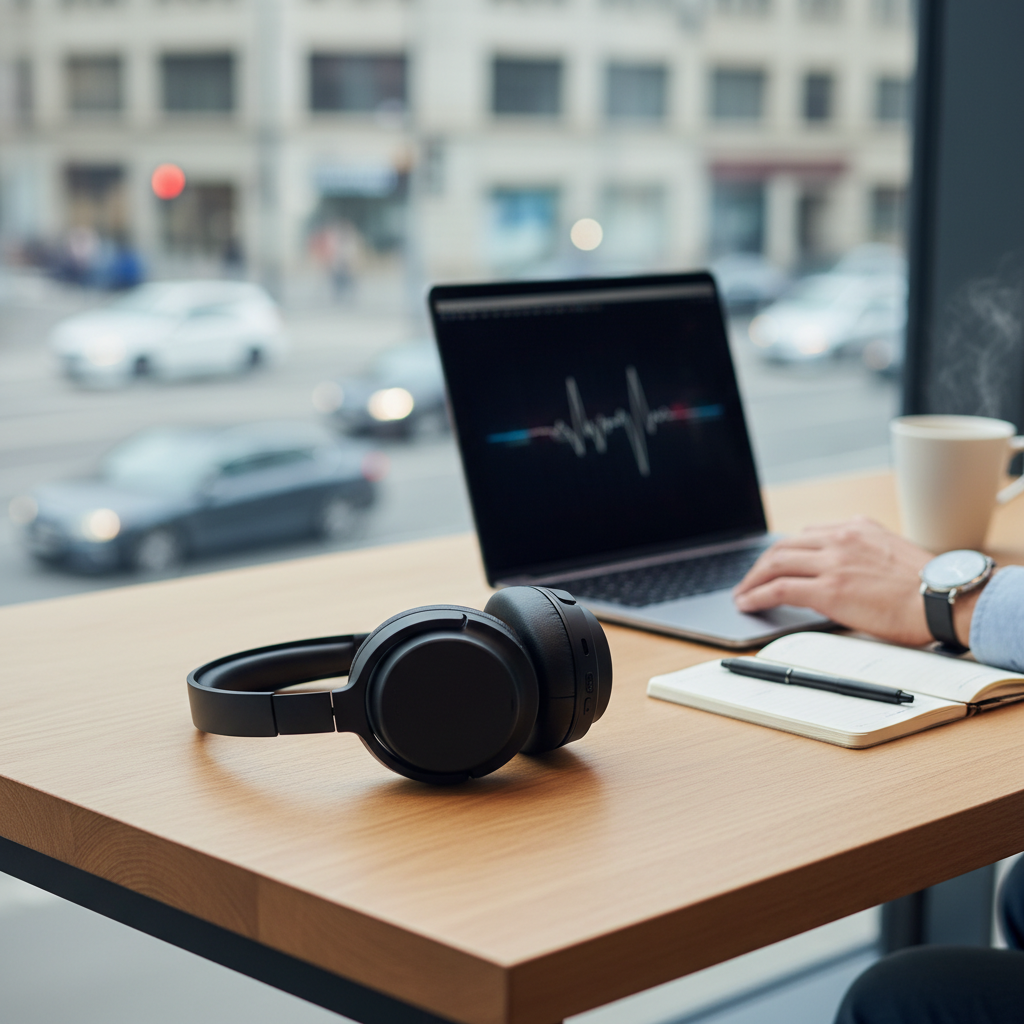
In an increasingly noisy world, finding moments of peace and quiet can feel like a luxury. Whether you’re navigating bustling city streets, commuting on a crowded train, or simply trying to focus in a busy office, external sounds constantly compete for your attention. This pervasive noise often forces us to crank up our audio, potentially harming our hearing and hindering our concentration. Fortunately, noise-cancelling headphones offer a powerful solution, creating a personal oasis of calm by significantly reducing unwanted ambient sounds. But with different technologies at play—Active Noise Cancelling (ANC) and Passive Noise Isolation—understanding their nuances is key to selecting the perfect pair for your needs.
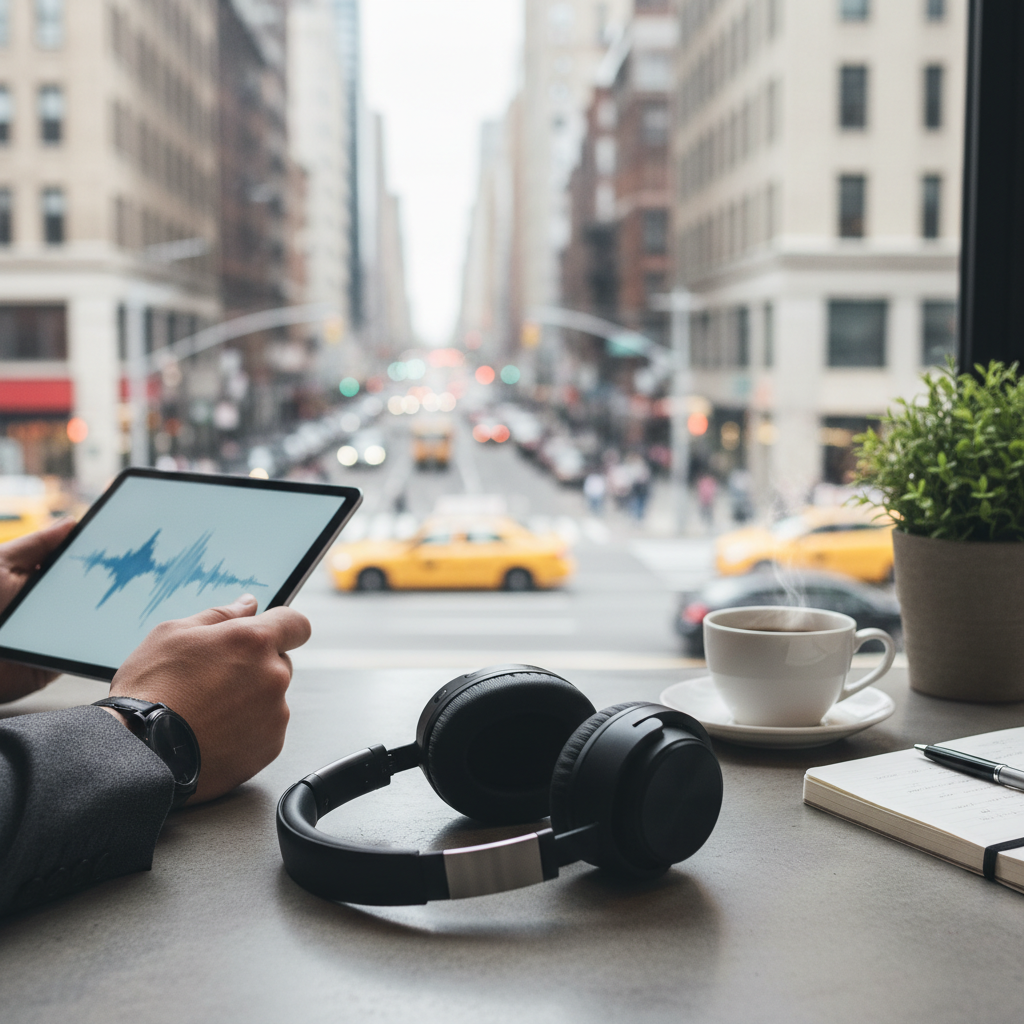
Types of Noise Cancelling Headphones
Noise-cancelling headphones come in two primary forms: Active Noise Cancelling (ANC) and Passive Noise Cancelling, also known as Passive Noise Isolation. While both aim to quiet your environment, their methods are fundamentally different, each with distinct advantages and ideal use cases. Understanding how these technologies work will help you make an informed decision for your audio journey.
Active Noise Cancelling (ANC)
|
Our Picks for the Best Noise cancelling headphones in 2026
As an Amazon Associate I earn from qualifying purchases.
|
||
| Num | Product | Action |
|---|---|---|
| 1 | Apple AirPods 4 Wireless Earbuds, Bluetooth Headphones, with Active Noise Cancellation, Adaptive, Transparency Mode, Personalized Spatial Audio, USB-C Charging Case, Wireless Charging, H2 Chip |

|
| 2 | Bose QuietComfort Headphones - Wireless Bluetooth Headphones, Active Over Ear Noise Cancelling and Mic, USB-C Charging, Deep Bass, Up to 24 Hours of Playtime, Black |
|
| 3 | Bose QuietComfort Headphones - Wireless Bluetooth Headphones, Active Over Ear Noise Cancelling and Mic, USB-C Charging, Deep Bass, Up to 24 Hours of Playtime, Twilight Blue - Limited Edition Color |
|
| 4 | Soundcore by Anker Q20i Hybrid Active Noise Cancelling Headphones, Wireless Over-Ear Bluetooth, 40H Long ANC Playtime, Hi-Res Audio, Big Bass, Customize via an App, Transparency Mode (White) |
|
| 5 | Sony WH-CH720N Noise Canceling Wireless Headphones Bluetooth Over The Ear Headset with Microphone and Alexa Built-in, Black New |
|
| 6 | Hybrid Active Noise Cancelling Headphones 120H Playtime Wireless Headphones Bluetooth 6.0 Over Ear Headphones with 6 ENC HD Call Mic, Hi-Res 360° Spatial Audio ANC Headphone for Travel Workout Black |
|
| 7 | bmani Hybrid Active Noise Cancelling Headphones,120H Playtime Wireless Headphones Bluetooth 6.0 with Power Display, 6-Mic ENC Calls, 360° Spatial Audio Over Ear Headphones Headset for Travel Game |
|
| 8 | TAGRY Hybrid Active Noise Cancelling Headphones 100H Playtime Wireless Over Ear Bluetooth Headphone with Fast Charging Hi-Res Audio Comfort Earcups Headsets for Travel Home Office Phone PC Black |
|
| 9 | Soundcore by Anker Q20i Hybrid Active Noise Cancelling Headphones, Wireless Over-Ear Bluetooth, 40H Long ANC Playtime, Hi-Res Audio, Big Bass, Customize via an App, Transparency Mode (Black) |
|
| 10 | Apple AirPods Pro 3 Wireless Earbuds, Active Noise Cancellation, Live Translation, Heart Rate Sensing, Hearing Aid Feature, Bluetooth Headphones, Spatial Audio, High-Fidelity Sound, USB-C Charging |
|
Active Noise Cancelling (ANC) headphones leverage advanced electronics to actively neutralize unwanted sounds before they reach your ears. This technology creates a more serene listening environment, particularly effective against persistent, low-frequency background noise.
The principle behind ANC is a fascinating application of wave physics known as destructive interference. Tiny microphones embedded in the headphones detect incoming ambient noise. An onboard digital signal processor (DSP) then analyzes these sound waves in real-time, typically within milliseconds. Based on this analysis, the system generates a “mirror-image” or “anti-noise” sound wave that is precisely 180 degrees out of phase with the unwanted noise. When these two opposing sound waves meet inside your ear canal, they effectively cancel each other out, significantly reducing the perceived volume of the external noise. This dynamic electronic countermeasure is what makes ANC so effective, especially against consistent, low-frequency hums that passive isolation often struggles to combat fully. ANC technology was originally developed for pilots who faced constant low-frequency engine noise.
While remarkably effective, ANC technology does have its considerations. It requires power from a battery, meaning ANC headphones need to be charged to utilize their noise-cancelling capabilities. Some users may also experience a slight sensation of pressure, often referred to as “eardrum suck,” though modern ANC systems are constantly improving to minimize this effect. Despite these minor drawbacks, the ability of ANC to create a near-silent backdrop makes it a game-changer for many.
[image-1|how-active-noise-cancelling-works|An illustration of how Active Noise Cancelling (ANC) works with sound waves in headphones, showing opposing sound waves cancelling each other out.|
A conceptual illustration demonstrating Active Noise Cancelling (ANC). A headphone ear cup is shown in cross-section. External sound waves (blue) are depicted entering. Tiny microphones within the ear cup detect these waves. A processing unit generates opposing “anti-noise” sound waves (red), which are shown perfectly inverted to the blue waves. Both sets of waves converge and cancel out, represented by flat lines or greatly reduced amplitude, illustrating destructive interference. The background is subtle and tech-inspired, with sound wave patterns. Realistic, editorial style.]
Passive Noise Cancelling
Passive noise cancelling, more accurately referred to as passive noise isolation (PNI), relies purely on the physical design and materials of the headphones to block out external sound. It creates a physical barrier that prevents ambient noise from reaching your ears, much like closing a door muffles sounds from another room.
The effectiveness of passive noise isolation largely hinges on two key factors: material composition and acoustic structure. Headphones and earbuds designed for PNI typically use dense, sound-absorbing materials such as high-quality foam, silicone, or rubber in their ear cups or ear tips. These materials are selected for their ability to absorb and block sound waves, physically impeding their entry into the ear canal. Furthermore, the design and structure of the headphones play a crucial role. A snug, ergonomic fit that creates a secure seal around or within the ear is paramount. Even a small gap can significantly reduce the isolation effectiveness. In-ear monitors (IEMs) and custom-fitted earbuds are particularly adept at passive isolation due to their ability to create an excellent seal within the ear canal.
PNI is particularly effective at reducing mid-to-high frequency noises, such as human voices, office chatter, and the clatter of keyboards. Unlike ANC, it requires no battery power or electronic circuitry, making PNI headphones simpler, more energy-efficient, and generally more affordable. This also means the audio signal remains unprocessed, which some audiophiles prefer for a purer sound quality. However, passive isolation struggles more with constant, low-frequency sounds like the rumble of airplane engines or subway noise, which ANC handles with greater efficiency. The choice often depends on the specific noise environment and individual comfort preferences.
Benefits of Noise Cancelling Headphones
Noise-cancelling headphones are more than just a luxury; they are versatile tools that offer significant advantages for daily life, impacting everything from productivity to well-being. By mitigating external distractions, they create a personalized auditory space that enhances various aspects of our routines.
Improve Focus
In our fast-paced world, maintaining focus can be a constant battle against a barrage of auditory distractions. Noise-cancelling headphones serve as an indispensable tool for carving out a quiet space, significantly boosting concentration and productivity.
Whether you’re tackling a complex work assignment in a bustling office, studying for an exam in a noisy coffee shop, or engaging in remote work from a lively home environment, these headphones can make a profound difference. They help filter out the incessant hum of air conditioning, the distracting chatter of colleagues, or the ambient noise of public transport, allowing your mind to zero in on the task at hand. By creating an effective “bubble of silence,” they facilitate deeper concentration and can help you get into a productive “zone” faster, leading to improved performance and efficiency.
Protect Hearing
One of the most critical, yet often overlooked, benefits of noise-cancelling headphones is their role in safeguarding our hearing health. In loud environments, many people instinctively increase the volume of their audio to overpower background noise, a habit that can lead to long-term hearing damage.
Noise-cancelling technology drastically reduces the need for excessive volume levels. By actively or passively blocking external sounds, these headphones allow you to enjoy music, podcasts, or calls at much lower, safer volumes without sacrificing clarity. This reduction in volume directly lessens the strain on your ears, mitigating the risk of noise-induced hearing loss from prolonged exposure to loud sounds. This makes them particularly beneficial for commuters, frequent travelers, or anyone sensitive to sound, ensuring a healthier listening experience over time.
Enhance Entertainment
Beyond productivity and protection, noise-cancelling headphones elevate the simple pleasure of entertainment, transforming mundane listening into an immersive audio experience. They allow you to truly get lost in your chosen audio content, free from the intrusion of the outside world.
By stripping away ambient distractions, noise-cancelling headphones reveal the subtle nuances and details in your music, podcasts, audiobooks, or movies that might otherwise be lost. The sound becomes clearer, richer, and more vibrant, allowing you to appreciate the full depth and quality of your audio. This enhanced clarity is particularly noticeable when traveling, as the constant rumble of an airplane engine or the chatter on a train can be effectively muted, leaving you with pristine audio and a truly captivating entertainment experience.
“A well-designed noise-cancelling headphone acts as a personal sonic sanctuary, not just muffling noise, but truly transforming your environment for enhanced focus and pure auditory enjoyment.” – Admin, reviewcrd.com
Comparison Table of Best Noise Cancelling Headphones
Choosing the right noise-cancelling headphones involves balancing technology, comfort, battery life, and cost. Below is a comparison of some of the leading models in early 2026, known for their excellent performance and popular features.
| Brand | Model | Noise Cancelling Technology | Battery Life (ANC On) | Price Range (USD) | Key Highlight |
|---|---|---|---|---|---|
| Sony | WH-1000XM6 | Advanced ANC | ~31-37 hours | $350 – $400 | Industry-leading ANC and superb sound quality. |
| Bose | QuietComfort Ultra | Premium ANC | ~24 hours | $380 – $430 | Best-in-class noise cancellation. |
| Apple | AirPods Max | Adaptive ANC | ~20 hours | $450 – $550 | Seamless Apple ecosystem integration, premium build. |
| Sennheiser | Momentum 4 Wireless | Hybrid ANC | ~60 hours | $300 – $380 | Exceptional battery life, audiophile-grade sound. |
| Anker | Soundcore Space One | Hybrid ANC | ~55 hours | $100 – $150 | Best value for money, impressive battery life. |
| Marshall | Monitor III | ANC | ~70 hours | $250 – $300 | Unmatched battery endurance. |
| JLab | JBuds Lux ANC | ANC | ~40 hours | $60 – $80 | Excellent budget option with surprising ANC. |
Note: Prices are approximate and subject to change based on retailers and promotions in early 2026. Battery life can vary based on usage and settings.
How to Choose Noise Cancelling Headphones (Buying Guide)
Selecting the ideal pair of noise-cancelling headphones can feel daunting with so many options available. To make the best choice, it’s essential to consider your personal needs and priorities, as these will guide you toward the technology and features that matter most.
Determine Usage Needs
Before diving into specifications, clarify your primary purpose for noise-cancelling headphones. Your main activities and environments will heavily influence the most suitable type.
- Primary Usage Purpose: Are you looking to enhance focus for work or studying, seeking tranquility during travel, or simply aiming for a more immersive entertainment experience? If your goal is to silence constant hums on flights or trains, ANC is paramount. For reducing office chatter, both good ANC and PNI can be effective.
- Typical Environment: Consider where you’ll most frequently use them. A busy commute on a train or plane will demand robust ANC, while a quieter home office might benefit more from a comfortable, well-isolating passive pair.
- Type of Noise to Cancel: ANC excels at low-frequency, consistent sounds (engine hums, air conditioning), whereas passive isolation handles mid-to-high frequencies better (voices, keyboard clicks). Headphones that combine both effectively offer the best all-around noise reduction.
Factors to Consider
Once your needs are clear, evaluate these critical features to narrow down your options and find a pair that offers the best balance for you.
- Noise Cancelling Technology: Decide if active (ANC) or passive (PNI) noise cancelling, or a hybrid approach, best suits your noise reduction requirements. ANC provides greater overall noise reduction, especially for low frequencies, but costs more and requires power. PNI is simpler, cheaper, and great for higher frequencies.
- Sound Quality: While ANC can sometimes introduce a slight distortion, many premium ANC headphones offer excellent audio quality. If pristine, unprocessed sound is your top priority, well-designed passive headphones might be preferable.
- Comfort and Fit: Headphones should be comfortable for extended wear. Over-ear models often offer more padding, while in-ear options provide a more discreet fit and excellent passive isolation due to a tight seal. Look for adjustable headbands, soft earcups, and lightweight designs.
- Battery Life: For ANC headphones, battery life is crucial. Models vary significantly, from 20 hours to over 70 hours with ANC activated. Consider how often you’re willing to charge them, especially for long trips or extended work sessions.
- Additional Features: Look for transparency modes (allowing ambient sound in), intuitive controls (buttons or touch), companion app customization, multi-device connectivity, and voice assistant integration for added convenience.
- Price: High-end ANC headphones can be a significant investment, but there are excellent mid-range and budget-friendly options that still offer impressive performance.
Budget
Your budget will naturally influence your options, but it’s important to remember that excellent noise reduction is available across various price points.
- Entry-Level (Under $100): You can find decent passive noise-isolating headphones or ANC models that offer surprising value, especially for mid-to-high frequency noise reduction.
- Mid-Range ($100-$300): This segment offers a good balance of features, sound quality, and effective ANC, providing significant upgrades in performance and comfort without breaking the bank. Examples include the Anker Soundcore Space One or Sennheiser Accentum.
- High-End ($300+): This category features the latest advancements in ANC technology, premium materials, superior sound quality, and extensive features from brands like Sony, Bose, Apple, and Sennheiser. These are ideal for those seeking the absolute best noise cancellation and overall audio experience.
Tips for Using and Maintaining Noise Cancelling Headphones
To get the most out of your noise-cancelling headphones and ensure their longevity, proper usage and diligent maintenance are key. These practices will enhance your listening experience and protect your investment over time.
Proper Usage
- Adjust Volume Responsibly: One of the main benefits of noise-cancelling headphones is the ability to listen at lower volumes without compromising clarity. Avoid the temptation to blast your audio, as this can still lead to hearing damage even with effective noise reduction.
- Utilize ANC Wisely: For environments with constant low-frequency noise like planes or trains, activate ANC. In situations where you need to be aware of your surroundings, such as walking near traffic, use transparency or ambient sound modes if available. Not all situations require full noise cancellation.
- Clean Regularly: Earpads and ear tips can accumulate dirt, sweat, and earwax, which can affect sound quality and hygiene. Wipe down your headphones with a soft, dry cloth regularly, and use a slightly damp, non-abrasive cloth for earpads as needed. For ear tips, follow the manufacturer’s cleaning instructions.
Proper Storage
- Avoid Physical Impact: Headphones are delicate electronic devices. Always handle them with care and avoid dropping them or exposing them to strong impacts, which can damage internal components or the ANC system.
- Use a Protective Case: When not in use, especially during travel, store your headphones in their original protective case or a suitable aftermarket alternative. This shields them from dust, scratches, and accidental damage. Many premium headphones come with a durable case.
- Protect from Elements: Keep your headphones away from water, extreme humidity, and high temperatures. Moisture can damage electronics, and excessive heat can degrade battery life and material integrity. If they get wet, dry them thoroughly before storing or charging.
“Treating your noise-cancelling headphones with care extends their life and preserves their intricate sound-cancelling capabilities. It’s a small effort for sustained auditory peace.” – Admin, reviewcrd.com
Conclusion
Noise-cancelling headphones have evolved into indispensable companions for navigating our increasingly loud world, offering far more than just audio playback. Whether you opt for the advanced electronic prowess of Active Noise Cancelling or the reliable physical barrier of Passive Noise Isolation, both technologies aim to create a personal sanctuary of sound. By improving focus, protecting your hearing, and enhancing entertainment, these devices truly transform daily experiences. Making an informed choice by considering your usage needs, key features, and budget ensures you find the perfect pair to bring tranquility and clarity to your auditory life. What environment do you find yourself needing quiet in the most, and which noise-cancelling solution do you think would best suit that specific challenge?
Frequently Asked Questions
What type of noise do Active Noise Cancelling (ANC) headphones block best?
Active Noise Cancelling (ANC) headphones are most effective at reducing consistent, low-frequency sounds, such as the hum of airplane engines, the rumble of train or bus noise, and constant background traffic. They work by generating an opposing sound wave to cancel out these specific types of environmental noise, providing a noticeable sense of quiet.
Do passive noise-isolating headphones require batteries?
No, passive noise-isolating headphones do not require batteries to function. Their noise-blocking capability relies entirely on their physical design, materials (like dense foam or silicone), and a snug fit around or inside your ears to create a physical barrier against external sounds. This makes them a simple, energy-efficient option.
Can noise-cancelling headphones completely block out all sound?
Neither active nor passive noise-cancelling headphones can block out 100% of ambient noise. High-end models that efficiently combine both technologies can block up to about 95% of noise. While they significantly reduce distractions, especially consistent low-frequency sounds, some transient or high-frequency noises may still be perceptible.
Are noise-cancelling headphones better for your hearing?
Yes, noise-cancelling headphones can be better for your hearing. By reducing external noise, they allow you to listen to audio at lower, safer volumes. This minimizes the need to increase volume to overcome distractions, thereby reducing strain on your ears and lowering the risk of noise-induced hearing damage over prolonged periods.
What is the “eardrum suck” sensation some people feel with ANC?
The “eardrum suck” or pressure sensation some users experience with ANC is due to the active cancellation process, where the headphones create anti-noise waves. This can sometimes cause a subtle pressure imbalance in the ear canal. Modern ANC technology is continuously improving to minimize this effect, making the experience more comfortable for sensitive users.