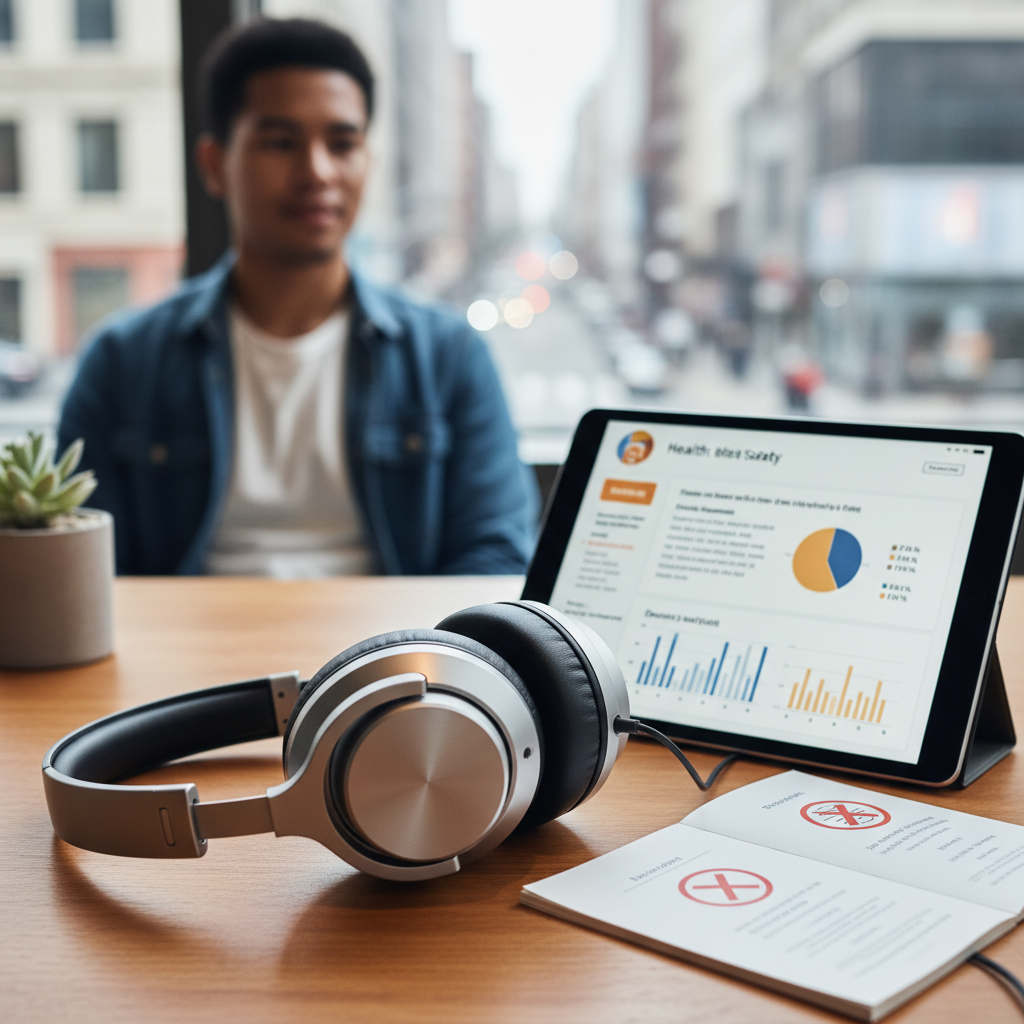
In today’s fast-paced world, finding a moment of peace can feel like a luxury. Whether you’re navigating a bustling commute, striving for focus in an open-plan office, or simply seeking solace from a noisy environment, unwanted sounds can disrupt your concentration and diminish your quality of life. This comprehensive guide explores the transformative power of noise cancelling headphones, offering a detailed review of their technologies, benefits, and key considerations to help you find the perfect pair to reclaim your quiet.
Types of Noise Cancelling Headphones
Understanding the two primary types of noise cancelling technologies is crucial for making an informed decision about which headphones best suit your needs. Both active and passive methods aim to reduce ambient noise, but they achieve this through fundamentally different approaches.
Active Noise Cancelling (ANC)
|
Our Picks for the Best Noise cancelling headphones in 2026
As an Amazon Associate I earn from qualifying purchases.
|
||
| Num | Product | Action |
|---|---|---|
| 1 | Sony WH-CH720N Noise Canceling Wireless Headphones Bluetooth Over The Ear Headset with Microphone and Alexa Built-in, Black New |

|
| 2 | Soundcore by Anker Q20i Hybrid Active Noise Cancelling Headphones, Wireless Over-Ear Bluetooth, 40H Long ANC Playtime, Hi-Res Audio, Big Bass, Customize via an App, Transparency Mode (Black) |
|
| 3 | Hybrid Active Noise Cancelling Headphones 120H Playtime Wireless Headphones Bluetooth 6.0 Over Ear Headphones with 6 ENC HD Call Mic, Hi-Res 360° Spatial Audio ANC Headphone for Travel Workout Black |
|
| 4 | Apple AirPods Pro 3 Wireless Earbuds, Active Noise Cancellation, Live Translation, Heart Rate Sensing, Hearing Aid Feature, Bluetooth Headphones, Spatial Audio, High-Fidelity Sound, USB-C Charging |
|
| 5 | bmani Hybrid Active Noise Cancelling Headphones,120H Playtime Wireless Headphones Bluetooth 6.0 with Power Display, 6-Mic ENC Calls, 360° Spatial Audio Over Ear Headphones Headset for Travel Game |
|
| 6 | Bose QuietComfort Headphones - Wireless Bluetooth Headphones, Active Over Ear Noise Cancelling and Mic, USB-C Charging, Deep Bass, Up to 24 Hours of Playtime, Black |
|
| 7 | Soundcore by Anker Q20i Hybrid Active Noise Cancelling Headphones, Wireless Over-Ear Bluetooth, 40H Long ANC Playtime, Hi-Res Audio, Big Bass, Customize via an App, Transparency Mode (White) |
|
| 8 | TAGRY Hybrid Active Noise Cancelling Headphones 100H Playtime Wireless Over Ear Bluetooth Headphone with Fast Charging Hi-Res Audio Comfort Earcups Headsets for Travel Home Office Phone PC Black |
|
| 9 | Apple AirPods 4 Wireless Earbuds, Bluetooth Headphones, with Active Noise Cancellation, Adaptive, Transparency Mode, Personalized Spatial Audio, USB-C Charging Case, Wireless Charging, H2 Chip |
|
| 10 | Bose QuietComfort Headphones - Wireless Bluetooth Headphones, Active Over Ear Noise Cancelling and Mic, USB-C Charging, Deep Bass, Up to 24 Hours of Playtime, Twilight Blue - Limited Edition Color |
|
Active Noise Cancelling (ANC) technology represents the pinnacle of noise reduction, actively working to eliminate unwanted sounds. This sophisticated system typically employs microphones on the earcups to detect external noise. An internal processor then analyzes these sound waves and generates an inverse sound wave, which effectively cancels out the ambient noise before it reaches your ears. ANC is particularly effective at diminishing low-frequency, constant hums, such as airplane engines, train noise, or the drone of an air conditioner, creating an almost eerie silence in otherwise loud environments.
The primary advantage of ANC headphones lies in their ability to dramatically reduce environmental distractions, fostering a more immersive listening experience or a quieter workspace. However, there are a few considerations: ANC requires power, meaning these headphones need to be charged. Some users might also experience a subtle pressure sensation in their ears, or a faint “hiss” when no audio is playing, though advancements in technology have largely minimized these effects. Factors like the quality of the microphones, the processing power, and the seal of the earcups significantly influence the effectiveness of ANC, with premium models offering superior performance.
[image-1|anc-headphones-principle|Active Noise Cancelling headphones showing sound wave cancellation for enhanced focus|
Close-up illustration of Active Noise Cancelling (ANC) headphones with sound waves demonstrating phase cancellation. The background shows a subtle, blurry environment like an airplane cabin or bustling office, emphasizing noise reduction. The style is modern, clean, and illustrative, with subtle light effects.]
Passive Noise Cancelling
In contrast to active cancellation, Passive Noise Cancelling relies purely on the physical design and materials of the headphones to block sound. This method, sometimes referred to as noise isolation, uses a combination of dense materials, well-sealed earcups, and a secure fit to create a physical barrier between your ears and the outside world. Over-ear headphones with thick, plush earpads, or in-ear monitors with perfectly fitting silicone or foam tips, are prime examples of passive noise cancellation in action.
The advantages of passive noise cancelling headphones include their simplicity – no batteries are required for noise reduction, making them always ready for use. They often come at a lower price point and do not introduce the subtle pressure or hiss sometimes associated with ANC. While passive cancellation is highly effective at reducing high-frequency sounds, such as speech, keyboard clicks, or general office chatter, it generally provides less attenuation for low-frequency rumble compared to its active counterpart. The effectiveness of passive noise cancelling is directly tied to the quality of the seal and the materials used, with a tighter, more isolating fit offering superior sound blockage.
Benefits of Noise Cancelling Headphones
Noise cancelling headphones offer far more than just quiet; they deliver a range of practical advantages that can significantly enhance various aspects of your daily life, from productivity to well-being.
Improved Focus
One of the most compelling benefits of noise cancelling headphones is their ability to create a personal oasis of calm, dramatically improving your concentration. In today’s often chaotic world, distractions abound, whether it’s the chatter of colleagues in an office, the clatter of dishes in a cafe, or the ceaseless hum of city traffic. By actively or passively neutralizing these sonic interruptions, noise cancelling headphones allow you to dive deeper into your tasks, studies, or creative endeavors. This enhanced focus can lead to increased productivity and a higher quality of work, making them an indispensable tool for students, remote workers, and anyone needing uninterrupted concentration.
Hearing Protection
Beyond immediate comfort, noise cancelling headphones play a vital role in long-term hearing health. Prolonged exposure to loud environments, or listening to music at high volumes to drown out external noise, can lead to irreversible hearing damage. By effectively reducing ambient sound, these headphones enable you to enjoy your audio content at much lower, safer volume levels. This not only protects your delicate ear structures from harm but also reduces auditory fatigue and stress, allowing you to feel more relaxed and refreshed even after hours of use in noisy settings.
Enhanced Entertainment Experience
For audiophiles and casual listeners alike, noise cancelling headphones elevate the entertainment experience to new heights. By removing the veil of external noise, they allow the subtle nuances, rich textures, and full dynamic range of your music, podcasts, audiobooks, or movies to shine through. You’ll discover details in your favorite tracks you never noticed before, immerse yourself completely in a captivating story, or enjoy crystal-clear dialogue during a film, regardless of your surroundings. This pure, unadulterated sound experience makes them ideal companions for travel, commutes, or simply enjoying your media in peace.
[image-2|headphones-travel-comfort|Person enjoying music with noise cancelling headphones on a comfortable journey|
A person is comfortably seated in a modern airplane or train cabin, wearing sleek over-ear noise cancelling headphones. They are looking relaxed, possibly out the window, with a serene expression. The background is slightly blurred to suggest movement or a quiet environment. The lighting is soft and ambient, emphasizing comfort and tranquility. The style is realistic and aspirational.]
Comparison Table of Best Noise Cancelling Headphones
Choosing the best noise cancelling headphones can be daunting with the array of options available. This table highlights some of the leading models known for their superior performance, innovative features, and overall user satisfaction, helping you narrow down your choices.
| Brand | Model | Noise Cancelling Technology | Battery Life (ANC On) | Estimated Price Range | Key Features |
|---|---|---|---|---|---|
| Sony | WH-1000XM5 | Advanced ANC | Up to 30 hours | [Check Latest Price] | Industry-leading ANC, exceptional sound, comfortable design, DSEE Extreme audio upscaling, multipoint connection, touch controls. |
| Bose | QuietComfort 45 | ANC | Up to 24 hours | [Check Latest Price] | Renowned comfort, powerful ANC, aware mode, robust build, Bose Music app control. |
| Apple | AirPods Max | ANC | Up to 20 hours | [Check Latest Price] | Premium design, spatial audio, adaptive EQ, seamless Apple ecosystem integration, transparency mode, digital crown control. |
| Sennheiser | Momentum 4 Wireless | ANC | Up to 60 hours | [Check Latest Price] | Outstanding battery life, signature Sennheiser sound, adaptive ANC, lightweight design, customizable sound via app. |
| Shure | AONIC 50 | ANC | Up to 20 hours | [Check Latest Price] | Studio-quality sound, adjustable ANC, comfortable for long listening, durable build. |
Guide to Choosing Noise Cancelling Headphones
Selecting the perfect pair of noise cancelling headphones requires careful consideration of several factors, aligning the features with your personal requirements and usage scenarios.
Determine Your Usage Needs
Before diving into specifications, reflect on your primary reasons for wanting noise cancelling headphones. Are they mainly for daily commutes on public transport, eliminating office distractions for better productivity, or creating a quiet sanctuary for travel? Do you need them for intense focus during studying, or simply for enhancing your music listening at home? Identifying the specific noise types you frequently encounter – be it constant low-frequency hums or unpredictable high-frequency chatter – will guide your choice towards either stronger ANC or effective passive isolation. Your typical environment and the intensity of the noise you wish to block are crucial starting points.
Key Factors to Consider
Once your needs are clear, delve into the technical aspects and user experience. Noise cancelling technology itself is paramount; evaluate the strength and consistency of the ANC, often rated highly in reviews for specific models, or the effectiveness of passive isolation. Sound quality is subjective but critical; look for a balanced audio profile that suits your musical preferences, with clear highs, rich mids, and impactful bass. Comfort during extended wear is non-negotiable, especially for travel or work; consider earcup material, clamping force, weight, and adjustability. Battery life dictates how long you can enjoy peace and quiet, with longer durations being essential for travelers. Finally, additional features such as transparency mode (allowing you to hear your surroundings when needed), intuitive controls, and app integration can significantly enhance the user experience.
Budget Considerations
Your budget will inevitably influence your options, but excellent noise cancelling headphones are available across various price points. In the budget-friendly segment, you can find decent passive isolation and even entry-level ANC that offers significant improvement over standard headphones. Moving into the mid-range, you’ll encounter more robust ANC, improved sound quality, and better build materials, often with a good balance of features and performance. The premium or high-end segment offers the best-in-class ANC, audiophile-grade sound, luxurious comfort, and a full suite of advanced features like spatial audio, adaptive EQ, and extended battery life. Investing more often translates to a superior noise cancelling experience and overall audio fidelity.
Top Picks by Price Segment
- Entry-Level/Budget: Anker Soundcore Life Q30 – Offers impressive ANC for its price, comfortable design, and good battery life, making it a strong contender for those on a tighter budget.
- Mid-Range: Sony WH-CH720N – A great balance of effective ANC, comfortable fit, and excellent sound quality derived from Sony’s premium models, without the premium price tag.
- High-End/Premium: Sony WH-1000XM5 or Bose QuietComfort 45 – These represent the gold standard, providing industry-leading noise cancellation, superior sound, exceptional comfort, and a host of smart features for an unparalleled listening experience.
Tips for Using and Maintaining Noise Cancelling Headphones
To maximize the performance and longevity of your noise cancelling headphones, adopting proper usage and storage habits is essential.
Proper Usage
Always ensure your headphones have a snug but comfortable fit to optimize both sound quality and noise cancellation, especially for passive isolation where a good seal is crucial. When using ANC, be mindful of the environment; while effective, it’s wise to remain aware of your surroundings in situations that require it, such as crossing a street. Adjust your listening volume responsibly. One of the key benefits of noise cancelling technology is that it allows you to enjoy audio at lower volumes, protecting your hearing in the long run. Regularly clean the earcups and any mesh areas with a soft, dry cloth to prevent build-up of oils and debris that could affect performance or comfort.
Proper Storage
Protecting your investment starts with proper storage. When not in use, always store your headphones in their designated case or a protective pouch, especially if they are foldable. This prevents physical damage from impacts, scratches, and dust accumulation. Keep them away from extreme temperatures, direct sunlight, and high humidity, as these conditions can degrade battery life, material quality, and electronic components over time. If your headphones are battery-powered, avoid letting them fully discharge for extended periods; periodic charging helps maintain battery health and ensures they’re ready when you need them.
“Noise cancelling headphones aren’t just about silence; they’re about giving you control over your auditory environment, empowering you to focus, relax, or simply enjoy your audio without compromise.” – Dr. Elena Petrova, Audio Technology Researcher
Conclusion
Noise cancelling headphones have evolved into indispensable tools for modern living, offering a powerful escape from unwanted noise and enhancing every listening experience. Whether you prioritize deep silence for work, enhanced audio fidelity for entertainment, or crucial hearing protection, there’s a perfect pair waiting to meet your needs. By understanding the differences between active and passive noise cancelling, evaluating key features like comfort and battery life, and aligning your choice with your budget, you can confidently select headphones that transform your daily routine. Take control of your soundscape and immerse yourself in the clarity and tranquility you deserve. What personal sound challenges are you hoping to conquer with your next pair of noise cancelling headphones?
Frequently Asked Questions
Do noise cancelling headphones work without music playing?
Yes, most active noise cancelling (ANC) headphones can effectively reduce ambient noise even when no music is playing. This feature allows them to be used purely for creating a quiet environment, making them ideal for meditation, studying, or simply finding peace in noisy surroundings without any audio distraction.
Can noise cancelling headphones completely block out all sound?
No, while noise cancelling headphones are highly effective at reducing ambient noise, especially low-frequency sounds, they cannot completely block out all sound. High-frequency, sudden, or irregular noises like voices or alarms may still be audible, though significantly muffled.
Are noise cancelling headphones safe for prolonged use?
Yes, noise cancelling headphones are generally safe for prolonged use. In fact, by reducing ambient noise, they allow you to listen to audio at lower volumes, which can help protect your hearing in the long term compared to regular headphones in loud environments.
What is “transparency mode” on noise cancelling headphones?
Transparency mode, also known as ambient sound mode, is a feature that uses the headphone’s microphones to pick up external sounds and play them through the headphones. This allows you to hear your surroundings and engage in conversations without needing to remove your headphones.
Is there a difference between noise cancelling and noise isolating headphones?
Yes, noise cancelling (Active Noise Cancelling) headphones use electronic technology to actively cancel out sound waves. Noise isolating (Passive Noise Cancelling) headphones rely on their physical design, materials, and a tight seal around the ear to block out sound. Many modern headphones offer a combination of both.