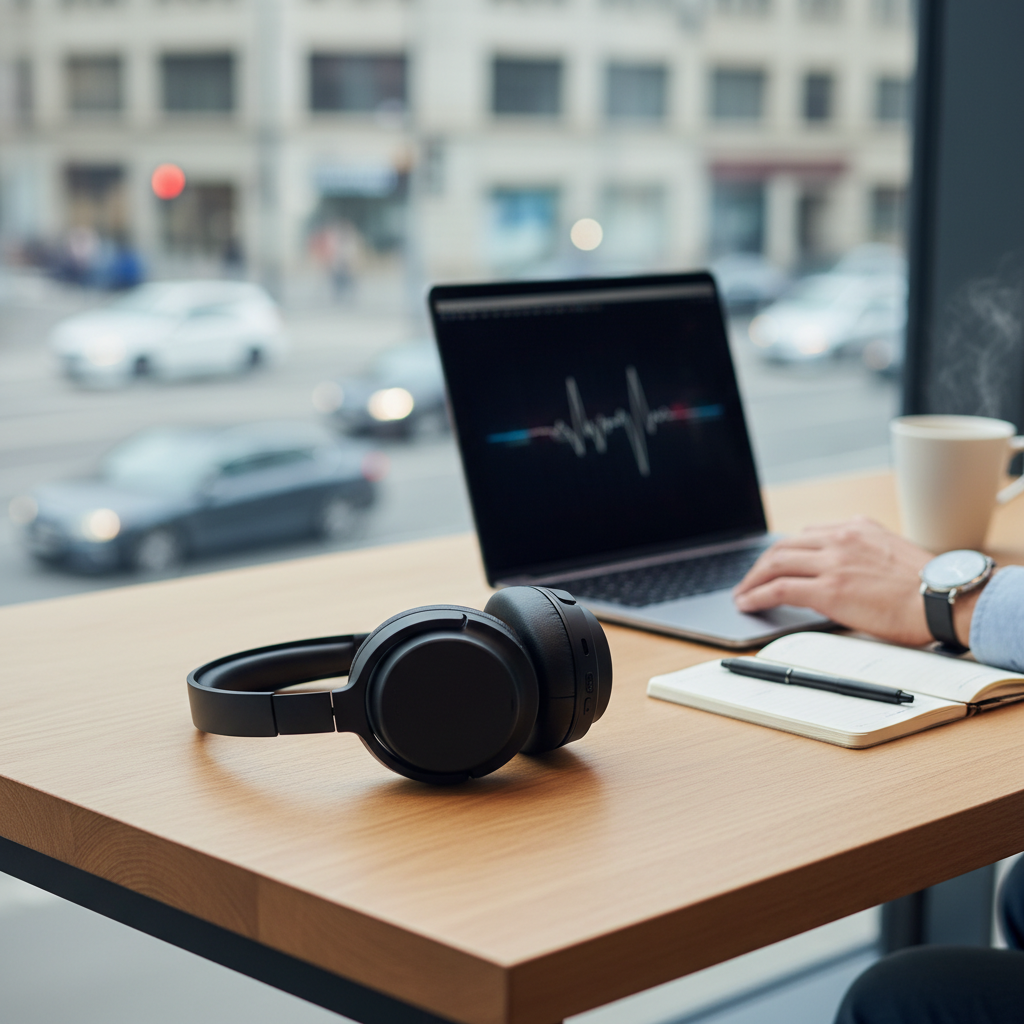
Choosing the right headphones can transform your daily life, whether you’re seeking refuge from a noisy commute or striving for peak performance during an outdoor run. The world of audio technology offers two distinct paths to personal listening: traditional noise cancelling headphones, which immerse you in sound, and innovative bone conduction headphones, which keep you connected to your surroundings. Understanding the fundamental differences between these technologies is key to finding the perfect pair that aligns with your lifestyle and listening priorities. This comprehensive guide will explore the mechanics, benefits, and practical considerations of both, helping you make an informed decision for an optimized audio experience.
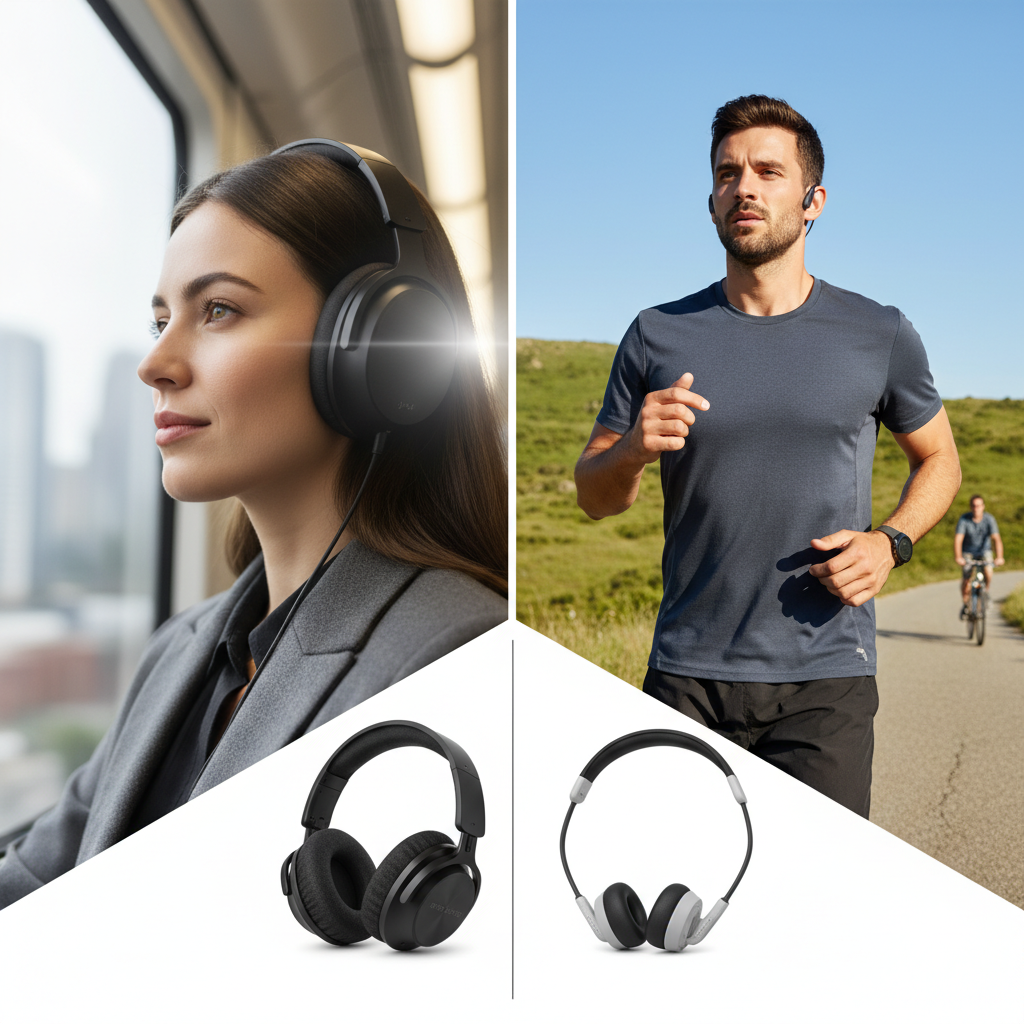
Understanding Audio Transmission: Noise Cancelling vs. Bone Conduction
The way headphones deliver sound to your inner ear fundamentally defines their performance and user experience. Noise cancelling headphones primarily use air conduction, while bone conduction headphones employ an entirely different method to transmit audio.
How Noise Cancelling Headphones Work
Noise cancelling headphones operate through two main mechanisms: Active Noise Cancelling (ANC) and Passive Noise Cancelling. Each plays a role in isolating the listener from external sounds, creating a more private and immersive audio environment.
- Active Noise Cancelling (ANC): This advanced technology uses microphones to detect ambient noise. An internal processor then analyzes these sound waves and generates an “anti-noise” signal that is an inverted mirror image of the unwanted sound. When this anti-noise wave meets the original noise wave, they cancel each other out through a process called destructive interference. This is particularly effective against consistent, low-frequency sounds like airplane engines, bus hums, or air conditioning units, significantly reducing their perceived volume before they reach your eardrum.
- Passive Noise Cancelling: Also known as noise isolation, this method relies purely on the physical design and materials of the headphones. Over-ear cups with dense padding or in-ear earbuds with snug-fitting tips create a physical barrier and a tight seal around or within the ear canal. This physical obstruction blocks sound waves from entering, much like closing a heavy door. Passive noise cancelling is generally more effective at blocking mid- to high-frequency sounds, such as conversations or typing, and often complements ANC in high-end models.
|
Our Picks for the Best Noise cancelling headphones in 2026
As an Amazon Associate I earn from qualifying purchases.
|
||
| Num | Product | Action |
|---|---|---|
| 1 | Bose QuietComfort Headphones - Wireless Bluetooth Headphones, Active Over Ear Noise Cancelling and Mic, USB-C Charging, Deep Bass, Up to 24 Hours of Playtime, Twilight Blue - Limited Edition Color |

|
| 2 | bmani Hybrid Active Noise Cancelling Headphones,120H Playtime Wireless Headphones Bluetooth 6.0 with Power Display, 6-Mic ENC Calls, 360° Spatial Audio Over Ear Headphones Headset for Travel Game |
|
| 3 | Apple AirPods 4 Wireless Earbuds, Bluetooth Headphones, with Active Noise Cancellation, Adaptive, Transparency Mode, Personalized Spatial Audio, USB-C Charging Case, Wireless Charging, H2 Chip |
|
| 4 | Soundcore by Anker Q20i Hybrid Active Noise Cancelling Headphones, Wireless Over-Ear Bluetooth, 40H Long ANC Playtime, Hi-Res Audio, Big Bass, Customize via an App, Transparency Mode (White) |
|
| 5 | Sony WH-CH720N Noise Canceling Wireless Headphones Bluetooth Over The Ear Headset with Microphone and Alexa Built-in, Black New |
|
| 6 | Bose QuietComfort Headphones - Wireless Bluetooth Headphones, Active Over Ear Noise Cancelling and Mic, USB-C Charging, Deep Bass, Up to 24 Hours of Playtime, Black |
|
| 7 | Apple AirPods Pro 3 Wireless Earbuds, Active Noise Cancellation, Live Translation, Heart Rate Sensing, Hearing Aid Feature, Bluetooth Headphones, Spatial Audio, High-Fidelity Sound, USB-C Charging |
|
| 8 | Soundcore by Anker Q20i Hybrid Active Noise Cancelling Headphones, Wireless Over-Ear Bluetooth, 40H Long ANC Playtime, Hi-Res Audio, Big Bass, Customize via an App, Transparency Mode (Black) |
|
| 9 | Hybrid Active Noise Cancelling Headphones 120H Playtime Wireless Headphones Bluetooth 6.0 Over Ear Headphones with 6 ENC HD Call Mic, Hi-Res 360° Spatial Audio ANC Headphone for Travel Workout Black |
|
| 10 | TAGRY Hybrid Active Noise Cancelling Headphones 100H Playtime Wireless Over Ear Bluetooth Headphone with Fast Charging Hi-Res Audio Comfort Earcups Headsets for Travel Home Office Phone PC Black |
|
[image-1|noise-cancelling-headphones-work|A cutaway illustration of Active Noise Cancelling (ANC) headphones showing internal microphones detecting external sound waves and an internal processor generating an anti-noise wave to cancel them out, with sound waves represented graphically.|
A detailed, realistic illustration of an over-ear noise-cancelling headphone. One side of the ear cup is cut away to reveal internal components: tiny microphones on the exterior picking up ambient sound, a central processor chip, and a speaker emitting an opposing sound wave. Sound waves are depicted as clear, contrasting lines (e.g., blue for external noise, orange for anti-noise) showing the destructive interference occurring inside the ear cup. The background is a blurred, busy environment like an airplane cabin or bustling office, emphasizing the function of noise reduction. The style is clean and technical.]
How Bone Conduction Headphones Work
Bone conduction technology offers a truly unique listening experience by bypassing the ear canal and eardrum entirely. Instead of transmitting sound through the air, these headphones send vibrations directly through your skull bones to the cochlea, located in the inner ear.
The headphones typically rest on your cheekbones or temples, using transducers to create subtle vibrations. These vibrations travel through the bone structure, stimulating the auditory nerve, which then sends signals to your brain, where they are interpreted as sound. This ingenious method allows you to hear your audio while leaving your ears completely open to environmental sounds, fostering a heightened sense of situational awareness. It’s the same way you hear your own voice, which also travels partly through bone conduction.
Benefits of Each Technology
Both noise cancelling and bone conduction headphones offer distinct advantages, catering to different user needs and preferences. Understanding these benefits can guide you toward the technology that best enhances your daily activities.
Advantages of Noise Cancelling Headphones
Noise cancelling headphones are prized for their ability to create a personal sanctuary of sound, making them ideal for focus and immersion.
- Enhanced Focus and Productivity: By significantly reducing ambient noise from offices, cafes, or public transport, noise cancelling headphones help users concentrate better on tasks, studies, or calls. This isolation minimizes distractions, boosting efficiency and cognitive performance in demanding environments.
- Immersive Audio Experience: With external noise suppressed, the nuances of your music, podcasts, or audiobooks become more pronounced. This allows for a richer, fuller sound with deeper bass and clearer details, delivering an unparalleled immersive listening experience that audiophiles and casual listeners alike can appreciate.
- Potential Hearing Protection: In noisy environments, people often turn up the volume of their headphones to overcome background sounds, potentially leading to hearing damage over time. Noise cancelling headphones reduce the need for high volume, as they actively suppress external noise, allowing you to listen at safer levels while still enjoying your content clearly.
Advantages of Bone Conduction Headphones
Bone conduction headphones are celebrated for their open-ear design, which prioritizes safety, comfort, and unique use cases.
- Situational Awareness: The primary benefit of bone conduction headphones is their open-ear design, which keeps your ears uncovered. This allows you to simultaneously listen to your audio and clearly hear your surroundings, such as traffic, approaching vehicles, conversations, or warning signals. This feature is crucial for outdoor athletes like runners and cyclists, as well as for those who need to remain aware in an office or home environment.
- Ear Health and Comfort: By bypassing the ear canal, bone conduction headphones eliminate issues often associated with in-ear or over-ear models, such as pressure, sweat buildup, ear fatigue, or hygiene concerns like ear infections. They rest gently on your cheekbones, making them a comfortable choice for extended wear and for individuals sensitive to ear pressure or prone to ear canal irritation.
- Compatibility with Hearing Aids/Eyeglasses: The open-ear design also makes bone conduction headphones highly compatible with other wearables. Users of hearing aids or eyeglasses can comfortably wear bone conduction headphones without interference or added pressure, offering a seamless audio solution for a broader range of individuals.
[image-2|bone-conduction-headphones-running|A person running outdoors with bone conduction headphones on, clearly hearing both music and ambient sounds like traffic and birds, conveying situational awareness and safety.|
A dynamic, realistic photo of a person running confidently along a scenic path in a city park. They are wearing sleek bone conduction headphones that rest on their cheekbones, leaving their ears uncovered. The runner has a focused yet relaxed expression. In the background, there’s subtle traffic movement on a road and elements of nature like trees, implying they are aware of both. The lighting is bright and natural, reflecting an outdoor active scenario. The overall style is energetic and practical.]
Key Differences and Considerations
When comparing noise cancelling and bone conduction headphones, several key factors highlight their distinct characteristics and help determine which technology is best suited for various situations.
Sound Quality
The method of sound transmission significantly impacts the audio experience offered by each type of headphone.
- Noise Cancelling Headphones: Generally deliver a richer, fuller, and more detailed sound with deep, resonant bass. By isolating the listener from external noise, they create an optimal environment for high-fidelity audio reproduction, making them a preferred choice for audiophiles and those who prioritize an immersive listening experience.
- Bone Conduction Headphones: Offer clear vocals and good mid-range clarity, but typically have weaker bass response and a less “full” sound compared to traditional headphones. The nature of bone transmission means lower frequencies are harder to reproduce with the same depth, which can result in a thinner audio profile. However, advancements are continually improving their sound performance.
Situational Awareness
This is perhaps the most significant differentiator between the two technologies.
- Noise Cancelling Headphones: Are designed to block out ambient sound, providing a highly isolated listening experience. While excellent for focus, this can reduce situational awareness, potentially posing risks in environments where hearing your surroundings (like traffic or alarms) is critical. Some models include “transparency” or “ambient sound” modes to mitigate this, allowing some external sound to pass through.
- Bone Conduction Headphones: Excel in situational awareness. Their open-ear design ensures that your ears remain entirely uncovered, allowing you to clearly hear your audio and the world around you simultaneously. This makes them inherently safer for activities requiring environmental vigilance.
Comfort and Fit
The design and contact points of each headphone type contribute to varying levels of comfort.
- Noise Cancelling Headphones: Come in over-ear, on-ear, and in-ear styles. Over-ear models offer excellent cushioning but can cause heat buildup or pressure on the head during long sessions. In-ear models provide a snug fit but can cause ear canal fatigue or irritation for some users.
- Bone Conduction Headphones: Are lightweight and designed to rest on the cheekbones, circumventing the ear canal entirely. This can be highly comfortable for extended wear, as there’s no direct pressure on or inside the ears. However, some users may find the subtle vibrations on their cheekbones initially unusual or even slightly uncomfortable at very high volumes, though most adapt quickly.
Suitability for Different Environments
The ideal environment for using each headphone type aligns directly with their core benefits.
- Noise Cancelling Headphones: Are best suited for environments where blocking out noise is paramount, such as long flights, busy offices, crowded public transport, or at home when deep focus or immersion is desired. They create an oasis of quiet, perfect for concentrated work or undisturbed entertainment.
- Bone Conduction Headphones: Are invaluable in situations where maintaining awareness of your surroundings is crucial for safety or interaction. This includes outdoor sports (running, cycling), commuting in urban areas, working in an open-plan office where you need to hear colleagues, or parenting where you need to hear children. They allow for an audio soundtrack to your life without disconnecting you from the world.
Comparative Overview: Noise Cancelling vs. Bone Conduction Headphones
| Feature | Noise Cancelling Headphones | Bone Conduction Headphones |
|---|---|---|
| How Sound is Transmitted | Air conduction (through ear canal to eardrum) | Vibrations through cheekbones to inner ear (bypasses eardrum) |
| Primary Benefit | Noise reduction, immersive audio, focus | Situational awareness, ear health, open-ear comfort |
| Sound Quality | Generally richer, fuller sound with deep bass | Clear vocals, moderate clarity, weaker bass |
| Situational Awareness | Low (blocks ambient sound, less aware of surroundings) | High (ears remain open, fully aware of surroundings) |
| Comfort | Varies by type (over-ear, in-ear); can cause fatigue/heat | Lightweight, no ear canal pressure; some may feel vibrations |
| Ear Health | Can protect by reducing need for high volume; potential for moisture build-up with in-ear | Bypasses eardrum, reduces ear canal issues; volume still matters for cochlea |
| Ideal Use Cases | Travel, focused work, immersive listening | Outdoor sports (running, cycling), office use, calls, specific hearing needs |
| Sound Leakage | Minimal with good seal | More noticeable, especially at higher volumes |
Top Noise Cancelling Headphones
For those prioritizing an immersive audio experience and effective noise cancellation, several models consistently stand out in the market. These headphones typically feature advanced ANC technology, premium sound quality, and comfortable designs for extended wear.
| Brand | Model | ANC Technology | Battery Life (approx.) |
|---|---|---|---|
| Sony | WH-1000XM5 | Industry-leading ANC | 30 hours |
| Bose | QuietComfort Ultra | Premium ANC | 24 hours |
| Sennheiser | Momentum 4 Wireless | Improved ANC | 60 hours |
| Apple | AirPods Max | Adaptive ANC | 20 hours |
Top Bone Conduction Headphones
Bone conduction headphones are continuously innovating, with models now offering improved sound quality, extended battery life, and enhanced features for specific activities. These are excellent choices for users who value safety, comfort, and environmental awareness.
| Brand | Model | Unique Features | Battery Life (approx.) |
|---|---|---|---|
| Shokz | OpenRun Pro 2 | Improved bass, secure fit, quick charge | 10 hours |
| Mojawa | Run Plus | 32GB MP3 player, IP68 waterproof | ~8 hours (varies) |
| Philips | GO A6606 | Integrated LED light, IP67 | 9 hours |
| Nank | Runner Diver2 Pro | 32GB MP3, IP69, earplugs for sound enhancement | ~10 hours |
Choosing the Right Headphones for You: A Buying Guide
Selecting between noise cancelling and bone conduction headphones requires a clear understanding of your individual needs and how each technology aligns with your lifestyle.
Assess Your Primary Needs
Start by identifying your main reasons for needing headphones.
- Purpose: Are you primarily looking for a device for focused work, travel, intense workouts, casual listening, or taking calls?
- Environment: Will you be using them in noisy airplanes, quiet offices, busy city streets, or at home? The level and type of ambient noise you encounter will significantly influence your choice.
- Sound Preference: Do you prioritize rich bass and immersive audio, or is clear vocal reproduction and an awareness of your surroundings more important?
Key Factors to Consider
Once you’ve assessed your needs, evaluate these specific features:
- Noise Cancellation Effectiveness: If silencing the world is your goal, look for headphones with robust ANC, especially those with adaptive features. For moderate noise, passive isolation might suffice.
- Audio Fidelity: Audiophiles will lean towards noise cancelling headphones for their superior sound reproduction. For podcasts, calls, and general listening where environmental awareness is key, bone conduction offers sufficient clarity.
- Comfort and Fit: Consider the style that best suits you. Over-ear ANC headphones are generally comfortable for long periods but can be bulky. In-ear options are discreet but can cause ear fatigue. Bone conduction headphones offer an open-ear, lightweight fit, but some may find the vibrations unusual.
- Battery Life: Depending on your usage, prioritize models with longer battery life for extended listening sessions, especially for travel or long workouts.
- Durability and Water Resistance: For active users or those in unpredictable environments, look for headphones with high IP ratings (e.g., IPX4 for sweat resistance, IPX7/8 for waterproofing) to ensure they can withstand elements.
- Price Point: Both technologies offer a range of price points, from budget-friendly options to premium models. Determine your budget before exploring specific brands and features.
Budget Considerations
Your budget will help narrow down your options, but remember that value often comes from matching features to your essential needs.
- Entry-level options: Offer basic functionality and decent performance for casual use.
- Mid-range selections: Provide a good balance of features, sound quality, and comfort without a premium price tag.
- Premium choices: Feature the latest technology, superior sound, advanced ANC, and often more robust build quality and comfort.
Usage and Maintenance Tips
Proper usage and regular maintenance can significantly extend the lifespan of your headphones and ensure optimal performance, regardless of whether you choose noise cancelling or bone conduction technology.
Proper Usage
- Volume Control: Always adjust your listening volume to a comfortable level. Even with noise cancelling, excessively high volumes can still cause hearing damage. For bone conduction, while bypassing the eardrum, the cochlea is still susceptible to damage from loud sounds.
- Utilize Features Wisely: Familiarize yourself with features like transparency modes on ANC headphones or volume adjustments on bone conduction models. Use ambient sound modes when situational awareness is needed, and engage ANC for focused tasks.
- Hygiene: Regularly clean your headphones. For in-ear noise cancelling buds, clean ear tips to prevent earwax buildup and maintain a proper seal. For bone conduction, wipe down the contact points on your cheekbones to ensure cleanliness and prevent skin irritation.
Care and Storage
- Avoid Physical Damage: Store your headphones in their provided case or a protective pouch when not in use to prevent scratches, drops, or pressure damage. Avoid tangling cables on wired models.
- Protect from Elements: Keep headphones away from extreme temperatures, direct sunlight, and excessive moisture. While many sports models offer water resistance, they are not always fully waterproof unless specified with a high IP rating (e.g., IP68 for submersion).
- Battery Management: For wireless models, follow manufacturer guidelines for charging to maximize battery longevity. Avoid overcharging or completely draining the battery frequently.
Conclusion
The choice between noise cancelling and bone conduction headphones ultimately depends on your individual priorities and how you intend to use them. If your goal is to immerse yourself in rich audio, minimize distractions, and find peace in noisy environments, noise cancelling headphones with their superior sound isolation and fidelity are likely your best bet. However, if situational awareness, ear health, comfort for open-ear listening, and compatibility with other wearables are paramount, bone conduction technology offers a compelling and safer alternative. Both technologies continue to evolve, offering impressive innovations that cater to a diverse range of listeners. By carefully considering your needs and the distinct advantages of each, you can confidently select the headphones that best amplify your listening experience and enhance your daily life. What listening environment are you hoping to conquer next?
Frequently Asked Questions
Are bone conduction headphones better for your ears than noise cancelling headphones?
Bone conduction headphones bypass the eardrum, reducing issues like ear fatigue and infections often associated with in-ear devices. However, excessive volume can still damage the cochlea, which processes sound for both types. Noise cancelling headphones can protect hearing by reducing the need to listen at high volumes in noisy environments. Both require mindful volume use for long-term ear health.
Can I use bone conduction headphones for work calls in a noisy office?
Yes, bone conduction headphones can be suitable for work calls in an office environment, especially if you need to remain aware of your colleagues or office announcements. Their open-ear design allows you to hear external sounds alongside your call. However, in very loud offices, the lack of noise isolation might make it harder for you to hear your call clearly, and some sound leakage could occur at higher volumes.
Do bone conduction headphones have good bass?
Bone conduction headphones generally have weaker and less resonant bass compared to traditional air-conduction headphones. Transmitting low-frequency vibrations through bone is more challenging, resulting in a thinner bass response. While newer models have improved in this area, they typically cannot match the deep, punchy bass delivered by high-quality noise cancelling headphones.
How do I know if ANC or bone conduction is right for me?
Consider your primary use case. Choose ANC if you prioritize immersive audio, focus in noisy environments (like travel or open offices), and want to block out distractions. Opt for bone conduction if situational awareness is critical (e.g., outdoor sports, commuting), you experience discomfort with in-ear/over-ear designs, or need compatibility with hearing aids/glasses.
Can other people hear my music when I use bone conduction headphones?
Yes, bone conduction headphones can exhibit some degree of sound leakage, especially at higher volumes. This is because the vibrations that create sound can also generate audible sound waves in the surrounding air. In quiet environments like libraries or offices, this leakage might be noticeable to those nearby, so it’s advisable to keep the volume moderate.