In today’s ceaselessly connected and often cacophonous world, finding a moment of genuine quiet can feel like a luxury. From bustling commutes to open-plan offices, our environments are often filled with distracting sounds that hinder focus and disrupt peace. This is where noise cancelling headphones become an indispensable tool, transforming your immediate surroundings into a tranquil haven. These innovative devices offer more than just a gateway to immersive audio; they provide a sanctuary from unwanted noise, enhancing productivity, protecting your hearing, and elevating your overall listening experience. This comprehensive guide will delve into the technology, benefits, and best practices for selecting and maintaining the perfect pair of noise cancelling headphones to suit your lifestyle.
Types of Noise Cancelling Headphones
Understanding the different types of noise cancelling technology is crucial when choosing the right headphones. Broadly, they fall into two main categories: Active Noise Cancelling (ANC) and Passive Noise Cancelling.
Active Noise Cancelling (ANC)
|
Our Picks for the Best Noise cancelling headphones in 2026
As an Amazon Associate I earn from qualifying purchases.
|
||
| Num | Product | Action |
|---|---|---|
| 1 | Bose QuietComfort Headphones - Wireless Bluetooth Headphones, Active Over Ear Noise Cancelling and Mic, USB-C Charging, Deep Bass, Up to 24 Hours of Playtime, Black |

|
| 2 | Soundcore by Anker Q20i Hybrid Active Noise Cancelling Headphones, Wireless Over-Ear Bluetooth, 40H Long ANC Playtime, Hi-Res Audio, Big Bass, Customize via an App, Transparency Mode (White) |
|
| 3 | Hybrid Active Noise Cancelling Headphones 120H Playtime Wireless Headphones Bluetooth 6.0 Over Ear Headphones with 6 ENC HD Call Mic, Hi-Res 360° Spatial Audio ANC Headphone for Travel Workout Black |
|
| 4 | Apple AirPods Pro 3 Wireless Earbuds, Active Noise Cancellation, Live Translation, Heart Rate Sensing, Hearing Aid Feature, Bluetooth Headphones, Spatial Audio, High-Fidelity Sound, USB-C Charging |
|
| 5 | Apple AirPods 4 Wireless Earbuds, Bluetooth Headphones, with Active Noise Cancellation, Adaptive, Transparency Mode, Personalized Spatial Audio, USB-C Charging Case, Wireless Charging, H2 Chip |
|
| 6 | Sony WH-CH720N Noise Canceling Wireless Headphones Bluetooth Over The Ear Headset with Microphone and Alexa Built-in, Black New |
|
| 7 | TAGRY Hybrid Active Noise Cancelling Headphones 100H Playtime Wireless Over Ear Bluetooth Headphone with Fast Charging Hi-Res Audio Comfort Earcups Headsets for Travel Home Office Phone PC Black |
|
| 8 | Soundcore by Anker Q20i Hybrid Active Noise Cancelling Headphones, Wireless Over-Ear Bluetooth, 40H Long ANC Playtime, Hi-Res Audio, Big Bass, Customize via an App, Transparency Mode (Black) |
|
| 9 | bmani Hybrid Active Noise Cancelling Headphones,120H Playtime Wireless Headphones Bluetooth 6.0 with Power Display, 6-Mic ENC Calls, 360° Spatial Audio Over Ear Headphones Headset for Travel Game |
|
| 10 | Bose QuietComfort Headphones - Wireless Bluetooth Headphones, Active Over Ear Noise Cancelling and Mic, USB-C Charging, Deep Bass, Up to 24 Hours of Playtime, Twilight Blue - Limited Edition Color |
|
Active Noise Cancelling headphones employ advanced electronics to actively diminish external sounds. This sophisticated technology uses built-in microphones to detect ambient noise, analyze its sound wave patterns, and then generate an “anti-noise” signal that is exactly opposite in phase. When these opposing sound waves meet, they effectively cancel each other out through a process known as destructive interference, significantly reducing the noise that reaches your ears.
The primary strength of ANC lies in its effectiveness against consistent, low-frequency sounds. Think of the persistent hum of an airplane engine, the rumble of a train, or the drone of office air conditioning – these are the types of noises ANC excels at eliminating. This makes ANC headphones particularly valuable for travelers, commuters, and anyone working or studying in environments with pervasive background noise.
However, ANC technology does have its nuances. It requires power to operate, meaning ANC headphones rely on batteries, which impacts their overall usage time. While continuously improving, ANC can sometimes introduce a subtle “eardrum suck” sensation for some users, and it is generally less effective at blocking sudden, high-frequency, or irregular noises like sudden shouts or a car horn. Additionally, some argue that the electronic processing involved can subtly alter sound quality compared to a purely passive system.
[image-1|anc-headphones-technology|Active Noise Cancelling (ANC) headphones illustrating sound wave cancellation|
A pair of sleek, modern over-ear headphones, with subtle lines indicating sound waves entering and anti-noise waves being generated from the earcups to cancel them out. The background shows a blurry, noisy environment like an airplane cabin or busy office. Realistic, high-tech, editorial style, eye-level shot.]
Passive Noise Cancelling
Passive Noise Cancelling, often referred to as noise isolation, relies on the physical design and materials of the headphones to block external sound. Unlike ANC, it doesn’t use any electronic components or power to achieve noise reduction. This method creates a physical barrier between your ears and the outside world.
The effectiveness of passive noise cancelling largely depends on the headphone’s fit and construction. Over-ear headphones often feature thick, plush earcups that create a tight seal around the ears, while in-ear earbuds are designed to fit snugly within the ear canal. Materials like dense foam, silicone, or specialized composites are used to absorb and block sound waves.
Passive noise cancelling is particularly effective at attenuating mid to high-frequency sounds, such as human voices, sharp impacts, or the clatter of keyboards. Since it doesn’t require batteries, passive noise isolation is always active and doesn’t introduce any electronic interference to the audio signal, potentially offering a purer sound experience. Moreover, many passive noise-cancelling devices meet occupational safety standards, making them suitable for workplace hearing protection. While all headphones offer some degree of passive noise isolation, those specifically designed for it, or custom-fitted options, provide superior performance in this regard.
Benefits of Noise Cancelling Headphones
The advantages of integrating noise cancelling headphones into your daily life extend far beyond merely enjoying music in peace. They offer a range of practical benefits that can significantly improve well-being and productivity.
Enhance Concentration
In an increasingly distracting world, maintaining focus is a challenge. Noise cancelling headphones act as a powerful barrier against environmental distractions, whether you’re in a bustling office, a lively coffee shop, or navigating public transport. By filtering out unwanted ambient sounds, these headphones create a personal zone of quiet, allowing you to concentrate better on work tasks, academic studies, or simply unwinding with a podcast. This reduction in auditory clutter can lead to increased efficiency and a greater sense of accomplishment.
Protect Hearing Health
One often-overlooked benefit of noise cancelling headphones is their role in hearing protection. In noisy environments, the natural inclination is to increase the volume of your audio to drown out background sounds. This can expose your ears to dangerously high decibel levels over extended periods, potentially leading to hearing damage or conditions like tinnitus. Noise cancelling headphones eliminate the need to crank up the volume, allowing you to enjoy your audio at safer, lower levels while still experiencing clarity and immersion. This proactive approach helps preserve your long-term hearing health.
Elevate Entertainment Experiences
For audiophiles and casual listeners alike, noise cancelling headphones dramatically enhance the quality of entertainment. With external noise minimized, the subtle nuances, dynamic range, and intricate details of your music, movies, or audiobooks become more pronounced. The audio feels richer, clearer, and more immersive, transforming everyday listening into a truly captivating experience. This is especially beneficial during travel, where the roar of an airplane engine can typically degrade audio fidelity, but with noise cancellation, your entertainment remains pristine.
Reduce Stress and Improve Sleep
Constant exposure to noise pollution can be a significant source of stress, contributing to fatigue and irritability. Noise cancelling headphones offer a welcome respite, providing a quiet sanctuary that promotes relaxation and mental clarity. Beyond daytime use, they can also be invaluable for improving sleep quality. By blocking out disturbances like street noise, snoring, or household sounds, they create a more conducive environment for rest, helping you achieve deeper, more restorative sleep.
Best Noise Cancelling Headphones: A Comparison
The market for noise cancelling headphones is rich with innovative options, each offering a unique blend of features, performance, and design. Here’s a comparison of some of the top models that consistently receive high praise in 2024 for their exceptional noise cancellation, sound quality, and user experience.
| Brand | Model | Noise Cancelling Tech | Battery Life (ANC On) | Price (USD) | Key Features |
|---|---|---|---|---|---|
| Sony | WH-1000XM5 | Industry-leading Adaptive ANC | 30 hours | $398 | Exceptional call quality, lightweight, DSEE Extreme audio upscaling, multipoint connectivity. |
| Bose | QuietComfort Ultra Headphones | Premium ANC with Immersive Audio | 24 hours | $279 – $349 | Supreme comfort, immersive audio mode, custom EQ via app, stable Bluetooth connection. |
| Apple | AirPods Max | Best-in-class ANC, Transparency Mode | 20 hours | $450 | Seamless Apple ecosystem integration, Spatial Audio, premium build, intuitive controls. |
| Sennheiser | Momentum 4 Wireless | Excellent Adaptive ANC | 60 hours | $300 | Class-leading battery life, audiophile-grade sound, customizable sound via app, comfortable design. |
| Shure | Aonic 50 Gen 2 | Powerful Adaptive ANC | 45 hours | $350 | Robust build quality, excellent audio for critical listening, customizable EQ. |
This table provides a snapshot of leading models, highlighting their core strengths. Prices can fluctuate, and it’s always advisable to check current retail offerings.
How to Choose Noise Cancelling Headphones (Buying Guide)
Selecting the ideal pair of noise cancelling headphones involves considering several personal factors to ensure they meet your specific needs and preferences.
Determine Your Usage Needs
Start by identifying your primary reason for wanting noise cancelling headphones.
- Purpose: Are they mainly for work and study, enhancing travel comfort, daily commutes, or immersive entertainment at home?
- Environment: Will you use them in a consistently noisy airplane cabin, a moderately loud office, a bustling city street, or a quiet home?
- Noise Type: Are you primarily looking to block out low-frequency hums (engines, HVAC) or higher-frequency chatter and sudden sounds? Your answers will guide your choice towards ANC or passive options, and the strength of the ANC needed.
Key Factors to Consider
Once you understand your needs, evaluate headphones based on these critical features:
- Noise Cancelling Technology: Consider the effectiveness of the ANC. Some excel at low frequencies, while others offer more balanced attenuation across the spectrum. Look for adaptive ANC that adjusts to your environment.
- Sound Quality: Beyond noise cancellation, how do they sound? Look for headphones that offer a balanced audio profile with clear highs, rich mids, and deep, controlled bass, ensuring your music and audio content are enjoyable.
- Comfort and Fit: This is paramount, especially for extended wear. Over-ear headphones should have plush, breathable ear cushions and an adjustable headband. Earbuds need to offer various ear tip sizes to ensure a secure yet comfortable seal without causing pressure. It’s always recommended to try them on if possible, as comfort is highly subjective.
- Battery Life: ANC technology consumes power, so battery longevity is an important consideration. Most premium ANC headphones offer 20-30 hours with ANC activated. For wireless earbuds, also factor in the extra charges provided by their carrying case.
- Additional Features:
- Transparency/Ambient Mode: Allows you to hear your surroundings without removing your headphones, crucial for safety and awareness.
- Bluetooth Multipoint: Connects to two devices simultaneously, allowing seamless switching between a laptop and a phone.
- Touch Controls: Intuitive gestures for playback, volume, and call management.
- Built-in Microphones: Essential for clear phone calls and virtual meetings, often with their own noise reduction capabilities.
- App Customization: Companion apps often allow you to adjust EQ settings, ANC levels, and update firmware.
Budget Considerations
Noise cancelling headphones are available across a wide price spectrum.
- Entry-Level: Offers basic ANC or strong passive isolation, suitable for those on a tighter budget or with less demanding noise environments.
- Mid-Range: Provides a good balance of effective ANC, decent sound quality, and comfortable design without breaking the bank.
- Premium: Features industry-leading ANC, superior audio fidelity, luxurious materials, advanced smart features, and often, exceptional comfort.
Important Notes on Using and Maintaining Noise Cancelling Headphones
To maximize the performance, longevity, and safety of your noise cancelling headphones, proper usage and diligent maintenance are essential.
Proper Usage Tips
- Adjust Volume Thoughtfully: One of the main benefits of ANC is the ability to listen at lower volumes. Avoid the temptation to blast your audio, as this negates the hearing protection benefit.
- Utilize Ambient Modes: For safety, especially when walking near traffic or needing to be aware of announcements, activate transparency or ambient listening modes. ANC creates a very isolated experience, so always be mindful of your surroundings.
- Ensure a Good Fit: For both over-ear headphones and earbuds, a proper seal is crucial for optimal noise cancellation. Adjust headbands and experiment with different ear tip sizes until you achieve a snug, comfortable fit that blocks out as much passive noise as possible.
- Position Correctly: Ensure the headphone microphones (usually on the outer surface) are not obstructed by hair, clothing, or accessories, as this can impede ANC performance.
- Manage Battery Life: Active noise cancellation is power-intensive. Keep an eye on your battery levels and charge your headphones regularly, especially before long trips or important meetings. While not universally agreed upon, some experts suggest avoiding letting batteries drain to 0% or consistently charging to 100% for optimal long-term battery health.
Maintenance and Care
Regular cleaning and careful handling will significantly extend the life and effectiveness of your headphones.
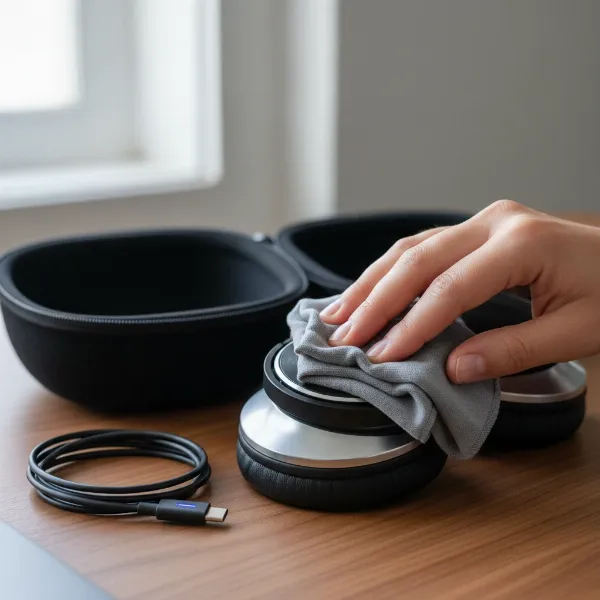
- Regular Cleaning: After each use, gently wipe down the earcups, ear pads, and headband with a soft, dry microfiber cloth to remove oils, sweat, and dirt accumulation.
- Deeper Cleaning: For removable ear tips or pads, use a mild soap solution with warm water. Soak ear tips for a few minutes, gently wipe, rinse with fresh water, and ensure they are completely dry before reattaching. For non-removable parts, use a slightly damp cloth with a tiny drop of mild soap, then wipe dry.
- Avoid Harsh Chemicals: Steer clear of alcohol, acetone, or abrasive cleaners on leather, plastic, or sensitive electronic components, as these can cause damage, discoloration, or deterioration.
- Clean Microphone Ports: Use a soft, dry cloth or a cotton swab to gently clear any debris from the microphone ports, ensuring unimpeded ANC functionality.
- Protect from Moisture: Avoid exposing your headphones to excessive moisture, rain, or humidity. If they become damp (e.g., from sweat during a workout), allow them to air dry thoroughly before storing them.
- Store Properly: When not in use, store your headphones in their protective case to shield them from dust, scratches, and accidental impacts. For over-ear headphones, a headphone stand can help maintain their shape and allow them to air out.
- Inspect for Wear: Periodically check ear pads, cables, and hinges for signs of wear and tear. Damaged ear pads can compromise noise isolation and comfort; many are replaceable.
Conclusion
Noise cancelling headphones are more than just a technological marvel; they are a gateway to enhanced focus, unparalleled entertainment, and a greater sense of peace in our increasingly loud world. By understanding the distinct mechanisms of active and passive noise cancellation, weighing the myriad benefits they offer, and making an informed choice based on individual needs and preferences, you can unlock a truly transformative listening experience. Remember to prioritize comfort, sound quality, and battery life, and commit to proper usage and maintenance to ensure your investment serves you well for years to come.
What role will superior sound and silence play in enhancing your daily life?
Frequently Asked Questions
How do noise cancelling headphones work without music?
Noise cancelling headphones use built-in microphones to detect ambient noise and generate an opposing sound wave to cancel it out. This process operates independently of any audio playback, meaning the ANC technology can reduce background noise even when no music or audio is playing. This feature is useful for creating quiet environments for studying, meditating, or simply seeking peace without needing to listen to anything.
Can noise cancelling headphones protect my hearing?
Yes, noise cancelling headphones can help protect your hearing by allowing you to listen to audio at lower volumes. By reducing external noise, you don’t need to increase your headphone volume to overcome distractions, thus minimizing prolonged exposure to high decibel levels that can lead to hearing damage over time.
Are noise cancelling headphones good for studying or working in a noisy environment?
Absolutely. Noise cancelling headphones are highly beneficial for studying or working in noisy environments like offices, cafes, or public transport. By significantly reducing background distractions, they help improve concentration, enhance focus, and boost productivity, creating a more conducive environment for cognitive tasks.
What is the difference between active and passive noise cancelling?
Active Noise Cancelling (ANC) uses electronic technology to generate “anti-noise” sound waves that cancel out external sounds, particularly effective against low-frequency hums. Passive Noise Cancelling (PNC), or noise isolation, relies on the physical design and materials of the headphones (like thick earcups or snug fit) to block sound. ANC requires power, while PNC does not.
How long do noise cancelling headphones typically last on a single charge?
The battery life of noise cancelling headphones with ANC activated typically ranges from 20 to 60 hours, depending on the model, brand, and specific features in use. Many premium over-ear headphones offer around 30 hours, while some newer models boast up to 60 hours. Wireless earbuds often provide less playtime but come with charging cases that extend total listening time.